Not to be confused with evaporated milk, sweetened condensed milk is very sweet (and very sticky) and used primarily in desserts.
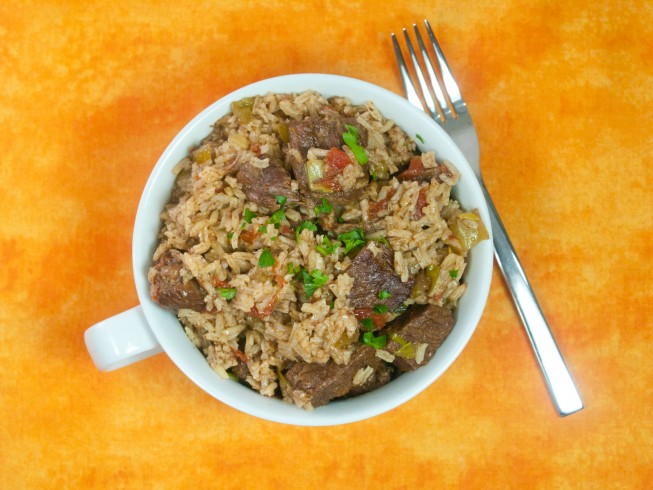


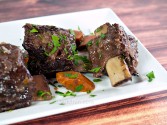
Short ribs make this jambalaya truly rich and indulgent. The long cooking time yields very falling-apart-tender meat and the rice absorbs those rich flavors that it's cooked in.

2 pounds boneless beef short ribs
4 teaspoons Creole or Cajun seasoning
1/2 teaspoon freshly ground black pepper
2 tablespoons vegetable oil
1 onion, chopped
1 green bell pepper, chopped
1/2 cup chopped celery
2 cloves garlic, minced
1 can (28 ounce size) diced tomatoes, drained
4 cups reduced-sodium beef broth, divided
2 bay leaves
2 teaspoons chopped fresh thyme
2 cups long-grain white rice
8 green onions, thinly sliced
1/4 cup chopped fresh parsley
Preheat oven to 350 degrees F.
Cut the ribs into 2-inch pieces. Combine the creole seasoning and black pepper and sprinkle evenly over the ribs.
Heat the oil in a Dutch oven over medium-high heat. Add the seasoned ribs (in batches if needed) and cook 3-4 minutes or until browned, turning occasionally. Remove browned ribs to a plate and keep warm.
Reduce the heat to medium and add the onion, bell pepper, celery, and garlic. Cook for 8-10 minutes or until the vegetables are softened, stirring frequently.
Return the ribs to the pot along with any juices from the plate. Add the tomatoes, half the broth, the bay leaves, and fresh thyme.
Bring the mixture to a boil over medium-high heat then put the cover on and place in the oven.
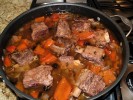
Bake for 1 1/2 hours at 350 degrees F or until the meat is tender.
Remove the pot from the oven and place on the stovetop over medium-high heat. Stir in the remaining broth and bring to a boil.
Stir in the rice, green onions and parsley. Replace cover and return to oven and bake for 30 more minutes or until the rice has absorbed the liquid and is tender.
Remove from oven and let stand, covered, for 5 minutes before serving.
For a deeper flavor, marinate the short ribs in the seasoning overnight before cooking.
Use a meat thermometer to check the internal temperature of the ribs, aiming for around 190-200 degrees F for maximum tenderness.
Add a splash of hot sauce for an extra kick if you enjoy heat.
Garnish with additional fresh parsley and green onions for a pop of color and freshness just before serving.
Consider adding other vegetables like diced carrots or peas.
For a smoky flavor, add smoked sausage to the mix as it cooks.
If the rice absorbs too much liquid before cooking is complete, add a little more broth or water to keep it moist.
Experiment with different herbs, such as oregano or basil, to adjust the flavor.
Allow the dish to rest before serving; this helps the flavors meld together.
Short ribs are cuts of beef taken from the brisket, chuck, or rib areas. They're known for their rich flavor and tenderness when cooked properly.
Yes, bone-in short ribs can be used, but the cooking time may need to be adjusted as they may take longer to become tender.
Creole or Cajun seasoning is a blend of spices typically including paprika, cayenne pepper, garlic powder, and herbs, used to add flavor and heat to dishes.
You can substitute beef stew meat or pork shoulder, but cooking times may vary based on the cut's tenderness.
You can use brown rice or jasmine rice as alternatives. Just remember that cooking times and liquid ratios may differ, especially with brown rice.
The short ribs are tender when they can be easily shredded with a fork or cut through without resistance.
If you don't have a Dutch oven, use a large oven-safe pot or a deep baking dish covered with aluminum foil.
You can prepare the dish ahead of time, and its flavors can improve when stored overnight in the refrigerator.
Store leftovers in an airtight container in the refrigerator for up to 3-4 days.
Yes, after cooling, freeze in airtight containers for up to 2-3 months. To reheat, thaw in the refrigerator and warm gently on the stovetop.
The spice level depends on the amount of Creole or Cajun seasoning used. You can adjust the spiciness by using less seasoning or using a mild blend.
Dutch Oven: For browning the short ribs and later baking the jambalaya.
Measuring Cups and Spoons: For measuring out ingredients such as the vegetable oil, fresh thyme, and rice.
Sharp Knife and Cutting Board: Used for preparing the ribs (cutting them into 2-inch pieces), onion, bell pepper, celery, thyme, green onions, and parsley.
Wooden Spoon or Spatula: For stirring the ingredients while cooking on the stovetop.
Cornbread: Serve with buttery cornbread for a classic Southern pairing. The sweetness of the cornbread balances the rich, savory flavors of the jambalaya.
Coleslaw: A tangy coleslaw adds a crunchy texture and bright acidity that complements the hearty dish while cutting through the richness of the short ribs.
Hot Sauce: A few drops of hot sauce can boost the dish for those who enjoy spice. It brings out the natural flavors in the jambalaya without overwhelming them.
Sour Cream: A dollop of sour cream can provide a cooling effect to balance the heat of the spices in the jambalaya.
Fried Plantains: Fried plantains add a touch of sweetness and a different texture, making for an interesting contrast with the savory and spicy elements.
Garlic Bread: Provide garlic bread to soak up any juices.
Wine Pairings
Zinfandel: This wine works well because its bold fruitiness, often with jammy notes of blackberry and plum, can match the richness of the beef short ribs. A bit of spice in the wine can also go nicely with the Creole seasoning.
Malbec: A Malbec brings dark fruit flavors like black cherry and notes of chocolate. Its full-body and smooth tannins help cut through the richness of the dish.
Chenin Blanc: If you're in the mood for white wine, a dry Chenin Blanc can be a good choice. Look for notes of apple and pear along with a hint of acidity that balances the savory, spicy flavors in the jambalaya.
Other Alcohol Pairings
Saison: This Belgian-style ale is fruity and slightly spicy, making it a great partner for the dish. Its carbonation helps lighten the beefy flavors while complementing the spices.
Spiced Rum: A spiced rum cocktail can tie in fabulous flavors. Think of vanilla and cinnamon notes, giving an almost tropical twist to your meal.
Red Ale: A smooth, malty red ale will provide a contrast to the jambalaya's flavors. Its caramel notes bring out the sweeter flavors of the beef and vegetables.
Non-Alcoholic Pairings
Ginger Beer: The spicy kick from ginger beer adds a refreshing contrast that works well with the richness of the dish.
Tomato Juice: This might sound simple, but tomato juice can be a fantastic match. Its savory, umami-rich flavors can reflect the taste of the jambalaya.
Spiced Apple Cider: Warm spiced apple cider introduces a sweet and spiced element that complements the savory aspects of the dish.


Not to be confused with evaporated milk, sweetened condensed milk is very sweet (and very sticky) and used primarily in desserts.
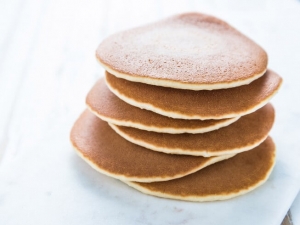
Beer makes batters better, meat more tender, and sauces more flavorful.
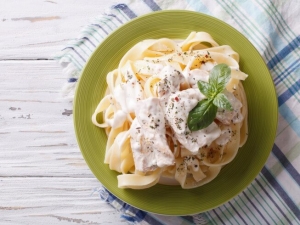
A can of cream of mushroom soup can be a real dinner saver. It works great in casseroles and can turn into a sauce or gravy in a pinch.

reviews & comments
August 19, 2016
The only thing I omitted was the parsley because I was out. Good recipe and the beef was very palatable in it. I was a fraid it would dry out with all the boiling but it didn't.