

cdkitchen > cooking experts > sarah christine bolton

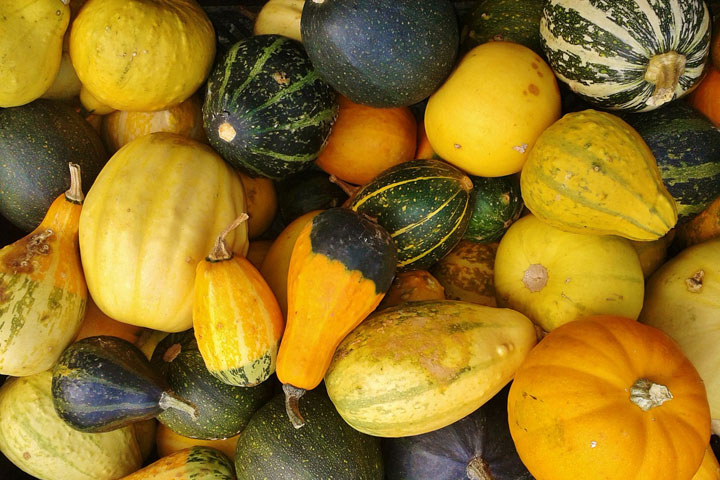
I’m always picking up random items at the grocery store. I’m a big believer in variety in my diet, and whenever I feel like I’m picking up the same items grocery trip after grocery trip, I’ll pick up something I very seldom buy. One time I came home with several artichokes, which I steamed and served with a creamy dill sauce. Another time it was tomatillas, which were perfect for a green chili chicken dish. And most recently, I picked up several different types of squash.
I love squash. All kinds of squash: acorn, zucchini, and pumpkin. Pumpkin pie is my all-time, hands-down favorite dessert. Rice-stuffed acorn squash is to die for. And nothing beats steamed zucchini as a perfect side dish to just about anything.
All that being said, for some reason the squash that I had purchased in an effort to diversify my diet were still sitting on the counter several days after I had bought them. Every morning while I stumbled through making coffee and breakfast, I vowed to cook them that day. Every night when I poured a glass of water to take to bed with me, I sighed with disappointment that the squash were still there.
Then I found a crockpot recipe for butternut squash and apples. The only problem is that I’m allergic to apples. It happened all of a sudden. I had eaten them my whole life, eaten and loved them. Nothing beats biting into an icy cold, crisp apple, juicy and sweet.
Then, one time after I ate an apple, my throat swelled up. So, I stopped eating apples all together. I prefer for my throat to be in a non-swelled up state.
When I started to do some research on squash, I discovered that ancient American Indians used to call squash “the apple of God,” which made me very happy. It meant I could still eat “apples” whenever I cooked butternut squash. They also believed that squash seeds would increase fertility if they were planted close by, which means I will be throwing those seeds away quickly. I’m not quite ready to reap the benefits of squash seeds!
Butternut squash (and some other similar types of squash) originated in Mexico, while pumpkins and other types of squash originated in South America. Butternut squash (called butternut pumpkin in Australia) is a type of winter squash with a sweet, nutty taste and a golden orange flesh.
Squash is a new world vegetable, which means it wasn’t a part of European diets until after explorers came to North and South America and brought squash back to the Old World. Which means those Europeans did not diversify their diets for quite a while, but that’s okay. It took me a while to incorporate squash into my diet, but eventually it happened, and it was worth the wait.
©2026 CDKitchen, Inc. No reproduction or distribution of any portion of this article is allowed without express permission from CDKitchen, Inc.
To share this article with others, you may link to this page:
https://www.cdkitchen.com/cooking-experts/sarah-christine-bolton/710-squash/
Squash, That Impulse
I’m always picking up random items at the grocery store. I’m a big believer in variety in my diet, and whenever I feel like I’m picking up the same items grocery trip after grocery trip, I’ll pick up something I very seldom buy. One time I came home with several artichokes, which I steamed and served with a creamy dill sauce. Another time it was tomatillas, which were perfect for a green chili chicken dish. And most recently, I picked up several different types of squash.
I love squash. All kinds of squash: acorn, zucchini, and pumpkin. Pumpkin pie is my all-time, hands-down favorite dessert. Rice-stuffed acorn squash is to die for. And nothing beats steamed zucchini as a perfect side dish to just about anything.
All that being said, for some reason the squash that I had purchased in an effort to diversify my diet were still sitting on the counter several days after I had bought them. Every morning while I stumbled through making coffee and breakfast, I vowed to cook them that day. Every night when I poured a glass of water to take to bed with me, I sighed with disappointment that the squash were still there.
Then I found a crockpot recipe for butternut squash and apples. The only problem is that I’m allergic to apples. It happened all of a sudden. I had eaten them my whole life, eaten and loved them. Nothing beats biting into an icy cold, crisp apple, juicy and sweet.
Then, one time after I ate an apple, my throat swelled up. So, I stopped eating apples all together. I prefer for my throat to be in a non-swelled up state.
When I started to do some research on squash, I discovered that ancient American Indians used to call squash “the apple of God,” which made me very happy. It meant I could still eat “apples” whenever I cooked butternut squash. They also believed that squash seeds would increase fertility if they were planted close by, which means I will be throwing those seeds away quickly. I’m not quite ready to reap the benefits of squash seeds!
Butternut squash (and some other similar types of squash) originated in Mexico, while pumpkins and other types of squash originated in South America. Butternut squash (called butternut pumpkin in Australia) is a type of winter squash with a sweet, nutty taste and a golden orange flesh.
Squash is a new world vegetable, which means it wasn’t a part of European diets until after explorers came to North and South America and brought squash back to the Old World. Which means those Europeans did not diversify their diets for quite a while, but that’s okay. It took me a while to incorporate squash into my diet, but eventually it happened, and it was worth the wait.
Slow Cooker Squash with Acorn Squash (Or Apples)


Made with cinnamon, salt, flour, brown sugar, butternut squash, acorn squash, apples, melted butter or vegetable oil
Made with cinnamon, salt, flour, brown sugar, butternut squash, acorn squash, apples, melted butter or vegetable oil
Serves/Makes: 4
- 1 medium butternut squash
- 1 large acorn squash
- OR
- 4 apples
- 1/4 cup melted butter or vegetable oil
- 1/2 cup brown sugar, packed
- 2 tablespoons flour
- 2 teaspoons salt
- 1 teaspoon cinnamon
Cut squash in half, remove seeds and soft pulp and peel. (Here's a trick for peeling squash. Cut into 1/2-inch pieces; use a sharp knife to thinly cut off peel side of piece).
Toss squash in butter. Combine the sugar, flour, salt and cinnamon. Toss squash in flour mixture. Pour into greased crock pot. Cook on HIGH for 2-3 hours, or until squash is tender.
Serve warm or cold, with milk or ice cream.
share this article:


related articles



Write a comment:
©2026 CDKitchen, Inc. No reproduction or distribution of any portion of this article is allowed without express permission from CDKitchen, Inc.
To share this article with others, you may link to this page:
https://www.cdkitchen.com/cooking-experts/sarah-christine-bolton/710-squash/