

Don't Squash the Pumpkin!


October is the month of the pumpkin. With Halloween coming so soon, lots of us are preparing with a visit to the pumpkin patch to find a few choice specimens to decorate, and more importantly, to eat! Pumpkin dishes are fun fall food: pumpkin muffins, pumpkin pancakes, and pumpkin pie, and you can wash it all down with a pumpkin spice latte or pumpkin beer!
The culmination of the pumpkin celebration is, of course, carving Jack O’ Lanterns for Halloween. But those big carved pumpkins don’t yield the best pumpkin for cooking or baking. It’s not as sweet and the texture is not great for cooking. It’s so grainy and stringy, that you must pass it through a food mill many times.
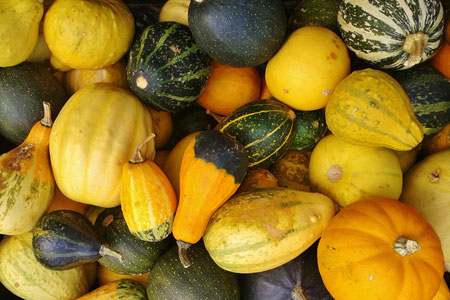
For homemade pumpkin dishes you will want to find the smaller sugar or cheese pumpkins, available throughout the fall at farmers' markets and some grocery stores. Or if you can’t find those types of pumpkins, you can turn to squash for all your pumpkin needs. They are all part of the same family.
In fact, I just recently learned that some manufacturers of commercial canned pumpkin puree use squash and not pumpkin (the major manufacturer uses Dickinson pumpkin, a variety of pumpkin that is in the same category as the butternut squash), because it offers a richer flavor and deeper color.
Several different types of winter squash can stand in for pumpkin, such as butternut, hubbard, kabocha, or cinderella. Some people even think other varieties of winter squash make a better pumpkin pie than actual pumpkins. If you live near a farmers' market that offers many different types of squash, you can try a new variety each weekend until you arrive at the perfect choice for your Thanksgiving Pumpkin Pie.
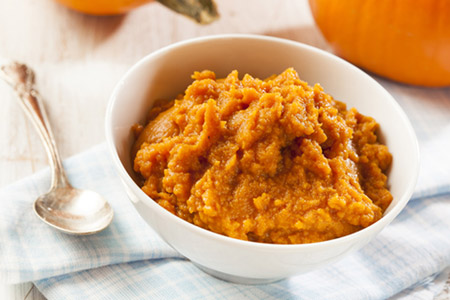
To cook a pumpkin or winter squash at home, cut it straight down the middle, remove the seeds and strings, and place the halves, cut side up on a sheet pan or roasting tray. Reserve the seeds to roast separately if you like. You can season with a little kosher salt and pepper, and drizzle with olive oil if desired, and roast at 400 degrees until fork tender.
Then scrape the flesh of the squash or pumpkin from the skin, discarding any peels, and puree in a food processor, blender, or food mill. If it seems a little watery, drain it in a colander. The results are perfect for making soup, or adding to seasonal risotto, pasta or baked goods.
While Squash Pie or Squash Spice Latte doesn’t have quite the same seasonal ring to it (plus we all know those coffee drinks are more about the pumpkin pie spice flavor) as “Pumpkin Spice”, these flavors truly speak of autumn and that’s why they’re so popular.
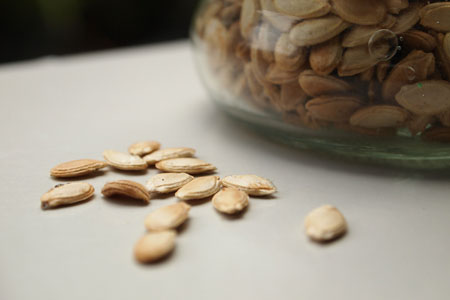
And maybe you are already overdosed on some of the usual pumpkin stuff. Before you take pumpkin off the menu until Thanksgiving, consider the pumpkin seed. You can still eat part of your Halloween Jack O’ Lantern; they have the biggest, fattest pumpkin seeds, perfect for roasting, salting, and munching. All you need to do is take your gutted pumpkin seeds, rinse any pulp away in a colander, drain and dry them overnight. Then roast at a low temperature, about 250 degrees for about an hour, until they are crunchy. Season as you desire, with salt, pepper, and maybe a little cayenne or cumin.
In addition to snacking, pumpkin seeds and pumpkin seed oil make a great addition to a fall menu. You find pumpkin seeds (pepitas) in Latin American cuisine in many forms, including ground as one of the seasonings in Mexican mole. Or try one of my old standbys – chicken sautéed in a pumpkin seed coriander crust, to take your pumpkin eating in a different direction this year.
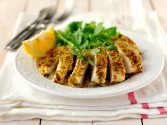

Made with butter, olive oil, coriander seeds, pumpkin seeds, panko breadcrumbs, salt, black pepper, flour, eggs, chicken breast cutlets
Serves/Makes: 4
- 2 tablespoons whole coriander seeds
- 1/2 cup shelled pumpkin seeds, toasted
- 3/4 cup panko breadcrumbs
- 1 teaspoon salt
- freshly ground black pepper, to taste
- 1/2 cup all purpose flour
- 2 large eggs
- 4 boneless, skinless chicken breast cutlets
- 2 tablespoons olive oil
- 3 tablespoons unsalted butter
- 1 lemon, cut into wedges, if desired
Place the coriander seeds in a spice grinder or clean coffee mill and grind until coarsely chopped. Add the pumpkin seeds to the grinder with the coriander and process until coarsely chopped. Transfer the seeds to a shallow dish and stir in the breadcrumbs, salt, and pepper. Mix well to combine.
Spread the flour in a shallow dish. Whisk the eggs in another shallow dish.
One at a time, dredge the chicken cutlets in the flour, shaking off any excess. Dip each side of the chicken in the egg and let any excess drip off. Dip the chicken into the seed mixture and press the crushed seeds on so they stick.
Heat the oil and butter in a large skillet over medium-high heat. Add the crusted chicken cutlets in a single layer and cook until golden brown and the chicken is cooked through, about 3 minutes per side (depending on the thickness of the cutlets).
Remove the chicken from the skillet to a paper towel lined plate to drain. Serve hot with lemon wedges, if desired.


related articles


Write a comment:
©2026 CDKitchen, Inc. No reproduction or distribution of any portion of this article is allowed without express permission from CDKitchen, Inc.
To share this article with others, you may link to this page:
https://www.cdkitchen.com/cooking-experts/pamela-chester/1305-pumpkin-uses/