

Kitchen Aromatherapy With Infused Oils


When you are tired of the same standard weekday meals, it’s time to make your old slow cooker perform new tricks. It is at this point in the winter when I start wanting fresher flavors and a break from heavy dishes and comfort food. A nice light dinner is what I am craving right now. I have to admit part of my motivation is to get ready for a trip to Mexico for a family wedding and get into bathing suit shape. But I also am just set for a change of pace.
I have a little crop of herbs--parsley, sage, rosemary and thyme… and of course basil--that does nicely in my sunny front window, even in the wintertime. So this week I will be making herbal infusions in the slow cooker. Herb infused oils and vinegars are a versatile addition to your year round pantry, and are lovely drizzled over pasta, salads, and vegetables, and for dipping with some nice crusty bread. Another way to use herbed oils is as a beautiful garnish for steamed or grilled fish and meats.
Infused oils are easy to prepare, especially with the controlled heat of the slow cooker. If you have ever tried making an infused oil on the stovetop, you know how hard it is to keep the oil from getting too hot, too fast. There is always the danger of the oil getting scorching hot and boiling over on the stove, causing a big mess, and potential bodily injury. However in the low, slow heat of the crockpot you can safely and gently heat the oil on the low setting for a couple of hours.
Fragrant herbs such as basil, thyme, rosemary, marjoram, oregano, bay leaves, sage and tarragon work well as they easily impart their distinct fragrances into oil or vinegar. Herbs can be used alone or in a mixture. Spices and flavorings such as garlic, cinnamon, anise, chili flakes and peppercorns can also be used to great success. If used sparingly (Their strong essential oils can easily overpower the flavor), spices will add zesty highlights that go together well with the oil and herbs.
Creating your own infused oils and vinegars is a fun and aromatic project to while away a chilly weekend afternoon. You can store the oil in Mason jars or purchase some pretty bottles at specialty home stores or yards sales to keep for yourself or give as a gift. You can add some fresh sprigs of herbs into the bottles before straining your oil into them for a beautiful presentation. You will also need a funnel and some cheesecloth or muslin to strain the oil once it is finished.
Make sure your slow cooker and whatever vessels you plan to store the oil in are scrupulously clean before you begin the project. Lighter flavored oils such as light olive oil, grapeseed oil, and safflower oil work best for herbal infusions and will take on a lovely light green hue. Paler colored vinegars such as white wine vinegar, cider vinegar, and sherry vinegar make for a nicer appearance and will take on more of the flavor of the herb with which you infuse them. Oils steeped with herbs have a tendency to go rancid more quickly than plain oil, so they should be kept in the refrigerator and used within two to three weeks. Infused vinegars will keep longer and the flavor will continue to develop, but they should still be stored in the refrigerator.
You can also have a slow cooker spa aromatherapy weekend. You can make your own spa-like essential oil infusions using the slow cooker and jojoba or grapeseed oil and various dried and fresh herbs such as calendula, lavender or chamomile. These will not only produce a lovely fragrance in your home while you are making them, but can also be applied to the skin for relaxation just as you would use essential oils purchased at the most luxurious spas.
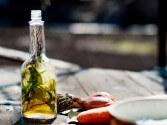

Made with peppercorns, lemon, fresh herbs, bay leaves, Sherry, white wine, or cider vinegar
Serves/Makes: 4 cups
- 2 tablespoons mixed peppercorns
- 4 slices lemon
- 2 small handfuls fresh herbs
- 6 bay leaves
- 4 cups good quality Sherry, white wine, or cider vinegar
Place the peppercorns, lemon slices, fresh herbs and bay leaves into the slow cooker and pour the vinegar over it. Cook on high for 1- 2 hours. Let the vinegar cool to room temperature and strain through a muslin cloth or cheesecloth.
Place fresh springs of herbs and peppercorns into decorative bottles. Fill the bottles with the vinegar (using a funnel will make this process easier) and cork the bottles.
Store in a cool, dry place for several months; Remove the herbs once the vinegar does not cover them.
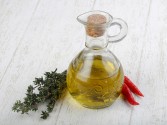
Made with peppercorns, coriander seeds, cardamom pods, cinnamon sticks, oil, fresh herbs, garlic, dried chili peppers
Serves/Makes: 4 cups
- 4 cups mild olive, safflower, or grapeseed oil
- 1 cup packed fresh herbs like rosemary, basil, sage, thyme, marjoram, oregano or tarragon (or a combination)
***OPTIONAL (any combination)***
- chopped garlic
- dried chili peppers
- cinnamon sticks
- cardamom pods
- coriander seeds
- peppercorns
Place the oil and the herbs and spice in the insert of the slow cooker. Cook on low, uncovered, for 1 1/2 to 2 hours, and then turn the cooker off.
Allow the oil to cool for about 20 minutes, and then pour it through a strainer lined with cheesecloth or a clean paper towel or paper coffee filter into a metal bowl.
When the oil is completely cool, transfer it to a clean glass jar, cover and refrigerate for up to 1 month. After that, the flavor may fade.
The oil may cloud under refrigeration, but it will become clear again at room temperature.


related articles


2 comments
This is a subject I have been interested in for a long time. I shyed away from the project when I asked several chef friends and the word "botulism" came up. I'll do more research, but any info someone wants to share would be greatly appreciated.
Comment posted by Cookin' Brooke Personal Chef Service
Yes, there is some risk when preparing flavored oils with garlic or when storing garlic or herbs in oil. (there is much less of a risk with flavored vinegars because of the acid content) Oil should be stored in the refrigerator for several days or in the freezer for several months. Do NOT store garlic in oil at room temperature. Use extreme care, and always go by the rule of thumb, when in doubt, throw it out!
Comment posted by Pam
Write a comment:
©2026 CDKitchen, Inc. No reproduction or distribution of any portion of this article is allowed without express permission from CDKitchen, Inc.
To share this article with others, you may link to this page:
https://www.cdkitchen.com/cooking-experts/pamela-chester/466-fragrant-infused-oils/