

cdkitchen > cooking experts > lauren braun costello

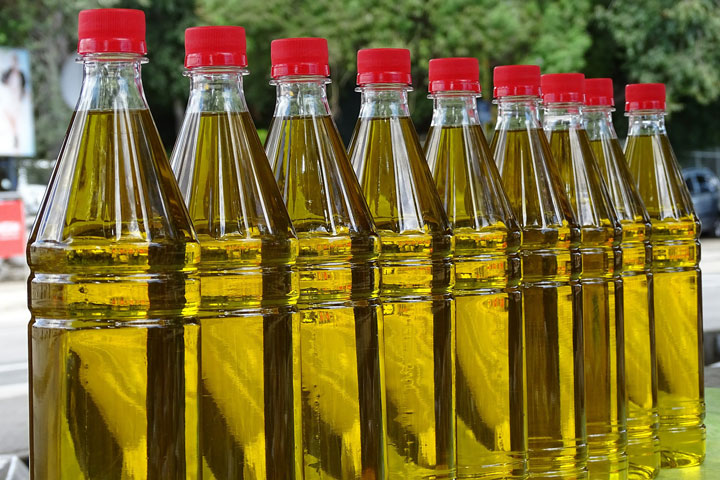
We often begin the cooking process with oil. Like salt and pepper, it is such a requisite ingredient that we often do not really give it much thought. But that is precisely why we should. There are so many options for so many different uses, we really should consider them all, from vegetable to nut oils.
There are many characteristics of oil that will influence a cook’s choice to use it, such as color, smoke point, flavor, and nutrition. The lighter the oil, generally the higher the smoke point (the temperature at which the oil begins to decompose and visible fumes (smoke) are given off). This is why olive oil is seldom used for deep frying foods, as compared to canola or peanut oil. When oil is heated and begins to smoke, the fatty acids in the oil become damaged, even turning into harmful substances. This is why it is important to select the right oil for the proper task.
Flavor is important because there are instances when the oil used in the cooking process should have no apparent taste. In other cases it may be critical to choose an oil with a specific flavor, such as olive or sesame, when finishing a dish. Nutrition may not be every cook’s primary concern; nevertheless, some oils are much healthier than others.
Using these four characteristics – color, smoke point, flavor and nutrition – as a basis for understanding how to choose the right oil for a specific cooking task, let’s take a look at a plethora of oils used regularly today.
Also known as rapeseed oil, canola oil is extracted from the rapeseed plant. Originally a Canadian crop, this oil is now produced in the United States as well, mainly in North Dakota. This is one of the most healthful, no-taste oils in that it has a low ratio of saturated to unsaturated fat. Canola oil is the ideal oil to have in the house for sautéing and searing.
Extracted from the germ of corn, this is one of the most common and inexpensive oils used. Corn oil is a no-taste oil yellow in color with a high smoke and flash point, making it ideal for frying. Refined corn oil is approximately 60% polyunsaturated fatty acid, 25% monounsaturated fatty acid, and 15% saturated fatty acid.
Grape seed oil is pressed from the seeds of grapes. Produced in Europe, this oil is used for everything from salad dressing to deep frying. Since grape seeds do not give as much as oil as other vegetable plants, this is a more expensive no-taste oil than canola or corn. This oil has a pretty high smoke point of 420 °F, with a clean, neutral taste. The biggest benefit of using grape seed oil is that much less is needed than when using other oils for sautéing or frying, which is a relief since it is pricey. Grape seed oil is unique in that it is one of the highest in the essential fatty acid, linoleic acid, also known as omega 6, and the lowest in saturated fats. Linoleic acid is one of the essential fatty acids that the human body cannot manufacture and must be eaten in order to acquire it.
The most important thing to note about cooking with nut oils is that in order for them to take on the taste of the nut they come from, the oil must be toasted. Hazelnut oil that has not been toasted will not give that strong, identifiable noisette flavor. Toasted nut oils are generally darker than their untoasted counterparts. With peanut oil being the most common exception, nut oils are generally used for finishing dishes as a flavor component and are not intended for use in large quantities for frying or sautéing. Nuts and their oils are touted with many health benefits, such being a source of “good” fat and rich in vitamins. Use nut oils in salad dressings, marinades, or simply to flavor a dish right before it is served.
Olive oil comes from the fruit of the olive tree. Ranging from light to dark green, olive oil is the staple fat of Mediterranean cooking. Olive oil is considered to be one of the healthier oils because of its high content of monounsaturated fat and polyphenols. This oil is most definitely a taste oil, with the light flavor of olive.
The grade of the olive oil will identify the strength of its flavor and color. Extra-virgin olive oil comes from the first pressing of the olives, deemed to have a superior taste and darker color. There can be no refined oil in extra-virgin olive oil. Virgin olive oil has a little more acidity than extra-virgin and usually is lighter in color and flavor. Any bottle labeled simply “olive oil” is a blend of virgin oil and refined virgin oil. It commonly lacks a strong flavor, and usually has an almost yellow-green color. Use olive oil as much as possible, but do not deep fry with it, as it has a low smoke and flash point compared to other oils, such as canola and grape seed.
This oil is very light in color and taste, and has one of the highest smoke and flash points. This makes it an excellent choice for deep frying. It is considered a staple, all-purpose oil in Asia the way olive oil is in Southern Europe. This is oil is somewhat high in saturated fat, giving it less nutritional value than other no-taste oils.
Are there other oils about which you would like more information? If so, just post a comment below and there can be a Part II. There are many more oils out there to discuss.
The next time you grab an oil from your pantry for cooking, consider its color, smoke point, flavor and nutrition to make your dish as good as it can be.
2 comments
©2026 CDKitchen, Inc. No reproduction or distribution of any portion of this article is allowed without express permission from CDKitchen, Inc.
To share this article with others, you may link to this page:
https://www.cdkitchen.com/cooking-experts/lauren-braun-costello/308-cooking-oils/
All About Oils
We often begin the cooking process with oil. Like salt and pepper, it is such a requisite ingredient that we often do not really give it much thought. But that is precisely why we should. There are so many options for so many different uses, we really should consider them all, from vegetable to nut oils.
There are many characteristics of oil that will influence a cook’s choice to use it, such as color, smoke point, flavor, and nutrition. The lighter the oil, generally the higher the smoke point (the temperature at which the oil begins to decompose and visible fumes (smoke) are given off). This is why olive oil is seldom used for deep frying foods, as compared to canola or peanut oil. When oil is heated and begins to smoke, the fatty acids in the oil become damaged, even turning into harmful substances. This is why it is important to select the right oil for the proper task.
Flavor is important because there are instances when the oil used in the cooking process should have no apparent taste. In other cases it may be critical to choose an oil with a specific flavor, such as olive or sesame, when finishing a dish. Nutrition may not be every cook’s primary concern; nevertheless, some oils are much healthier than others.
Using these four characteristics – color, smoke point, flavor and nutrition – as a basis for understanding how to choose the right oil for a specific cooking task, let’s take a look at a plethora of oils used regularly today.
Canola
Also known as rapeseed oil, canola oil is extracted from the rapeseed plant. Originally a Canadian crop, this oil is now produced in the United States as well, mainly in North Dakota. This is one of the most healthful, no-taste oils in that it has a low ratio of saturated to unsaturated fat. Canola oil is the ideal oil to have in the house for sautéing and searing.
Corn Oil
Extracted from the germ of corn, this is one of the most common and inexpensive oils used. Corn oil is a no-taste oil yellow in color with a high smoke and flash point, making it ideal for frying. Refined corn oil is approximately 60% polyunsaturated fatty acid, 25% monounsaturated fatty acid, and 15% saturated fatty acid.
Grape Seed Oil
Grape seed oil is pressed from the seeds of grapes. Produced in Europe, this oil is used for everything from salad dressing to deep frying. Since grape seeds do not give as much as oil as other vegetable plants, this is a more expensive no-taste oil than canola or corn. This oil has a pretty high smoke point of 420 °F, with a clean, neutral taste. The biggest benefit of using grape seed oil is that much less is needed than when using other oils for sautéing or frying, which is a relief since it is pricey. Grape seed oil is unique in that it is one of the highest in the essential fatty acid, linoleic acid, also known as omega 6, and the lowest in saturated fats. Linoleic acid is one of the essential fatty acids that the human body cannot manufacture and must be eaten in order to acquire it.
Nut Oils
The most important thing to note about cooking with nut oils is that in order for them to take on the taste of the nut they come from, the oil must be toasted. Hazelnut oil that has not been toasted will not give that strong, identifiable noisette flavor. Toasted nut oils are generally darker than their untoasted counterparts. With peanut oil being the most common exception, nut oils are generally used for finishing dishes as a flavor component and are not intended for use in large quantities for frying or sautéing. Nuts and their oils are touted with many health benefits, such being a source of “good” fat and rich in vitamins. Use nut oils in salad dressings, marinades, or simply to flavor a dish right before it is served.
Olive Oil
Olive oil comes from the fruit of the olive tree. Ranging from light to dark green, olive oil is the staple fat of Mediterranean cooking. Olive oil is considered to be one of the healthier oils because of its high content of monounsaturated fat and polyphenols. This oil is most definitely a taste oil, with the light flavor of olive.
The grade of the olive oil will identify the strength of its flavor and color. Extra-virgin olive oil comes from the first pressing of the olives, deemed to have a superior taste and darker color. There can be no refined oil in extra-virgin olive oil. Virgin olive oil has a little more acidity than extra-virgin and usually is lighter in color and flavor. Any bottle labeled simply “olive oil” is a blend of virgin oil and refined virgin oil. It commonly lacks a strong flavor, and usually has an almost yellow-green color. Use olive oil as much as possible, but do not deep fry with it, as it has a low smoke and flash point compared to other oils, such as canola and grape seed.
Peanut Oil
This oil is very light in color and taste, and has one of the highest smoke and flash points. This makes it an excellent choice for deep frying. It is considered a staple, all-purpose oil in Asia the way olive oil is in Southern Europe. This is oil is somewhat high in saturated fat, giving it less nutritional value than other no-taste oils.
Are there other oils about which you would like more information? If so, just post a comment below and there can be a Part II. There are many more oils out there to discuss.
The next time you grab an oil from your pantry for cooking, consider its color, smoke point, flavor and nutrition to make your dish as good as it can be.
share this article:


related articles


2 comments
A very good and informative article. pl. keep sendin such articles.....thankz sumit......
Comment posted by sumit
i found this article very informative (especially about the oils decomposing). i have heard about flakseed oil, and was wondering if you could include it in your part II? thanks
Comment posted by william
Write a comment:
©2026 CDKitchen, Inc. No reproduction or distribution of any portion of this article is allowed without express permission from CDKitchen, Inc.
To share this article with others, you may link to this page:
https://www.cdkitchen.com/cooking-experts/lauren-braun-costello/308-cooking-oils/