

Ranking #1 in nearly every "favorite cookie" poll, the chocolate chip cookie is pretty much the go-to cookie of choice for both kids and grownups alike.
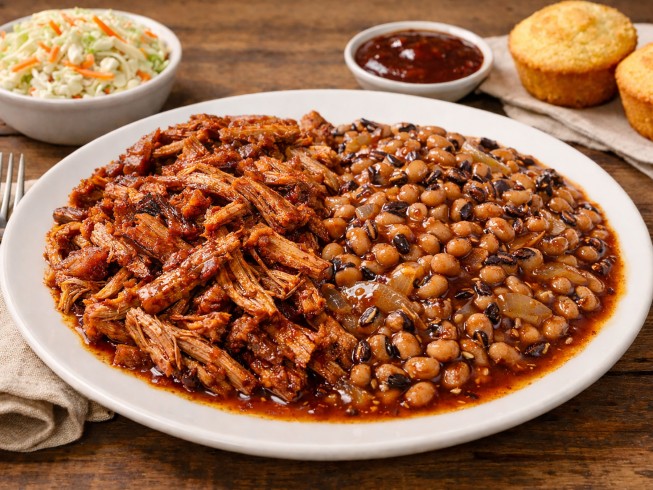


Balance smoky and savory with this pulled pork paired with black-eyed peas. Both comforting and rich, this recipe delivers classic southern flavors in a slow cooked dish.
Rub
3 tablespoons coarsely ground black pepper
1/4 cup pure maple syrup
1 tablespoon coarse salt
2 tablespoons smoked paprika
1 tablespoon dry mustard
2 teaspoons cayenne pepper
hot water
Pork And Peas
8 pounds pork picnic shoulder, fat trimmed
1 pound dried black-eyed peas
2 medium onions, thinly sliced
3 cups reduced-sodium chicken broth
1 1/2 cup barbecue sauce
2 bay leaves
Combine all the rub ingredients in a small bowl adding hot water in small amounts until it forms a smooth paste.
Cover the pork on all sides with the rub and wrap in plastic wrap. Refrigerate overnight.
Pour the black-eyed peas into a bowl and sort through to remove any debris. Transfer the peas to the crock pot.
Add the onions, broth, and barbecue sauce to the crock pot and mix gently. Tuck the bay leaves in around the edges.
Place the pork on top of the other ingredients. Cover the crock pot and cook on low heat for 7-8 hours or until the pork is tender.
Remove the pork from the crock pot and place on a cutting board. Shred the pork into bite-sized pieces with two forks. Remove the bay leaves from the crock pot.
Serve the pork with the black-eyed peas.
Oven option: Place the black-eyed peas, onions, broth, barbecue sauce, and bay leaves in the bottom of a roasting pan. Top with the pork. Cover tightly with foil and cook at 275 degrees F for 6-8 hours.
Use a meat thermometer to avoid overcooking or undercooking the pork.
Allow the pork to rest for a few minutes after cooking before shredding to maintain its juices.
For an even richer flavor, marinate the pork in the rub for 24 hours before cooking.
Try different barbecue sauces for varied flavors; try sweet, tangy, or spicy varieties.
Serve with pickles or jalapenos for a zesty contrast to the richness of the pulled pork.
Add chopped cilantro or green onions as a fresh garnish when serving.
For a meal prep option, portion pulled pork with sides into containers for easy reheats throughout the week.
Pork shoulder (also known as pork butt or picnic shoulder) is ideal for pulled pork due to its fat content and connective tissues, which break down during long cooking, resulting in tender meat.
Yes, while pork shoulder is traditional, you can use other cuts like pork loin or ribs, but these may not yield the same tenderness or flavor.
Trimming excess fat is recommended to prevent an overly greasy dish, but leaving some fat can improve the flavor and help keep the meat moist.
You can substitute brown sugar, honey, or agave nectar, but this may slightly alter the flavor.
You can use canned black-eyed peas but since they cook faster you may want to just add them during the last hour or 90 minutes of cooking. This way they won't get mushy but will have time to soak in the flavorful sauce.
The pork is done when it easily shreds with a fork and reaches an internal temperature of at least 190 degrees F to 205 degrees F, which allows the collagen to break down.
Yes, leftovers can be stored in an airtight container in the refrigerator for up to 3-4 days.
Let it cool completely before transferring to freezer-safe containers. It can be frozen for up to 2-3 months.
Reheat pulled pork in the microwave, oven, or stovetop. Make sure it is heated through, and add a little broth or barbecue sauce to keep it moist.
Pulled pork pairs well with coleslaw, cornbread, baked beans, or on a bun as a sandwich.
Feel free to adjust the spices to taste, adding or substituting spices like cumin, garlic powder, or onion powder for different flavors.
Crock Pot: For cooking the pulled pork and black-eyed peas in a flavorful sauce.
Measuring Cups and Spoons: For measuring ingredients such as the maple syrup, smoked paprika, and barbecue sauce.
Mixing Bowl: Used for combining the rub ingredients into a smooth paste before applying it to the pork.
Plastic Wrap: To wrap the seasoned pork after applying the rub, allowing it to marinate in the refrigerator overnight.
Cutting Board: For shredding the pork after it has been cooked.
Forks: For shredding the pork after cooking; two forks help pull apart the meat effectively.
Roasting Pan (optional): If using the oven method, a roasting pan is required to hold the black-eyed peas and pork for slow cooking.
Aluminum Foil (optional): Needed if using the oven to cover the roasting pan tightly during cooking to retain moisture.
Tongs (optional): Helpful for removing the pork from the crock pot to shred it.
Soft buns: Pile the shredded pork along with some of the black-eyed peas and sauce on soft buns. Add your favorite toppings and enjoy.
Coleslaw: A tangy, crunchy coleslaw provides a refreshing contrast to the rich and smoky flavors of pulled pork.
Cornbread: The slightly sweet and crumbly texture of cornbread pairs well with pulled pork and black-eyed peas.
Pickles: A side of dill pickles adds acidity and brightness, cutting through the heaviness of the pork.
Macaroni and Cheese: Creamy macaroni and cheese complements the smoky flavors of the pulled pork while its richness balances the dish. Pro tip: combine the pulled pork and mac and cheese leftovers for a real treat.
Avocado: Slicing fresh avocado on top provides a creamy texture and rich flavor that pairs well with the spices in the pulled pork.
Fried Green Tomatoes: The tanginess of fried green tomatoes adds an interesting contrast to the dish.
Hot Sauce: For those who enjoy a kick, serving hot sauce on the side allows diners to add their desired level of heat.
Potato Salad: A creamy potato salad can provide a different texture to the meal, balancing the dish with its coolness and richness.
Baked Beans: A side of baked beans, particularly those that are sweet and smoky, can complement the flavors in the pulled pork and offer a different protein source.
Chili Lime Corn: A side of corn seasoned with chili lime can provide a zesty, fresh element.
Wine Pairings
Shiraz: This bold red wine has juicy fruit flavors and a hint of spice that will complement the smoky and sweet notes from the pulled pork. Look for one with ripe blackberry and plum flavors to match the richness of the dish.
Malbec: A full-bodied Malbec will hold its own against the hearty flavors of the pulled pork and the earthy black-eyed peas. Seek one with a velvety texture and dark fruit characteristics, like black cherry and blackberry.
Chardonnay: An oaked Chardonnay can add a creamy texture and buttery richness that pairs beautifully with the barbecue sauce. Look for one that balances hints of vanilla and toast to match the savory flavors of the meal.
Other Alcohol Pairings
Cold beer: A crisp lager or pilsner works well here, with its clean finish helping to refresh the palate after the smoky, hearty flavors. Look for something that's light and easy to drink.
Amber ale: The mild sweetness and caramel notes in an amber ale will match the maple syrup in the pork rub and add a nice contrast to the spice. Opt for one that has a smooth, malty flavor to balance everything.
Dark Rum: For something a little different, a dark rum will complement the sweetness of the maple syrup and the spices in the dish. Enjoy it neat or in a simple cocktail for a refreshing twist that goes well with the pulled pork.
Non-Alcoholic Pairings
Iced tea: A classic, unsweetened iced tea can be a great pairing. Its crispness will balance the hearty richness of the pork without overpowering the flavors. Feel free to add a slice of lemon for some extra zing.
Hibiscus tea: This tart and fruity herbal tea has a vibrancy that works well with the sweet and smoky notes of the pulled pork.
Sparkling apple juice: A non-alcoholic beverage that offers sweetness and carbonation and can enhance the flavors of the barbecue sauce and bring out the dish's comforting elements.



Ranking #1 in nearly every "favorite cookie" poll, the chocolate chip cookie is pretty much the go-to cookie of choice for both kids and grownups alike.
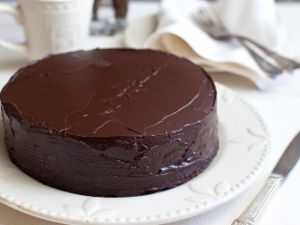
What's the secret ingredient in these cakes? Pudding mix. It not only adds flavor but it gives the cake a richer, creamier texture. No one will know your secret ingredient!

It may look like a sad little package shoved in the back of your freezer, but frozen spinach actually has a lot of culinary uses (and some may surprise you).
reviews & comments