

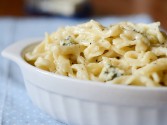
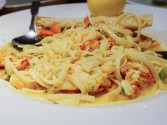
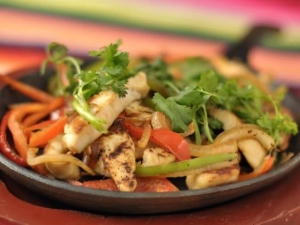
If you're a fan of the menu at this American chain of restaurants which serves a variety of foods such as burgers, steaks, pasta, and seafood then you'll love this collection of copycat recipes.
Fettuccine Marinara
- add review
- #59360
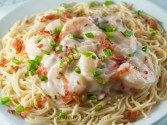
In the world of pasta, sometimes simplicity reigns supreme. This fettuccine marinara brings together classic ingredients for a dish that feels both traditional and refreshing.
serves/makes:
ready in:
under 30 minutes
under 30 minutes
ingredients
1 pound fettuccine or spaghetti pasta
2 tablespoons olive oil
1/2 cup chopped onion
1 teaspoon minced garlic
1/4 teaspoon crushed red pepper flakes
4 ounces smoked ham, diced
1 cup frozen peas
1 jar (14 ounce size) marinara sauce
1/4 teaspoon salt
1/4 teaspoon freshly ground black pepper
1/4 cup chopped fresh Italian parsley
directions
Bring a large pot of salted water to a boil over high heat. Add the pasta and cook until al dente (according to package directions). Drain well and set aside.
Meanwhile, heat the oil in a large skillet over medium-high heat. Add the onion and cook for 3 minutes, stirring occasionally.
Add the garlic, crushed red pepper flakes, and ham. Cook for 2 minutes.
Add the frozen peas and marinara sauce. Bring to a boil then reduce the heat to a simmer. Let simmer, stirring occasionally, for 5 minutes.
Season with the salt and pepper.
Toss the marinara sauce with the cooked pasta and garnish with the fresh parsley. Serve hot.
recipe tips
Don't rinse the pasta after cooking; the starch helps the sauce adhere better.
If the sauce is too thick, add a bit of reserved pasta water to thin it out.
Try adding different cheeses, such as mozzarella or Parmesan, for added richness.
For a creamier sauce, consider adding a splash of cream or milk just before serving.
Make sure the skillet is hot before adding the ingredients to saute, which helps develop better flavor by adding a sear.
Always taste and adjust seasoning at the end.
common recipe questions
What type of pasta can I use instead of fettuccine?
You can substitute fettuccine with other pasta types like spaghetti, penne, or linguine. Just make sure to adjust the cooking time if needed until they are al dente.
Can I use fresh ham instead of smoked ham?
Yes, fresh ham can be used, but it will alter the flavor of the dish.
Can I leave out the peas?
You can omit the peas if you prefer, or substitute with other vegetables like sauteed bell peppers, zucchini, or spinach.
What can I substitute for marinara sauce?
If you don't have marinara sauce, you can use crushed tomatoes with added herbs like basil and oregano, or even a homemade tomato sauce.
How do I know when the pasta is properly cooked?
Pasta should be cooked al dente, meaning it should be firm to the bite but not crunchy. Check the package instructions and taste a piece a minute or two before the suggested cooking time.
Can I prepare this dish ahead of time?
You can prepare the sauce a day ahead and refrigerate it. Cook the pasta fresh just before serving to make sure it doesn't get mushy.
Can I freeze leftovers?
You can freeze leftover fettuccine marinara. Store it in an airtight container for up to 2-3 months. It's best to freeze the sauce separately from the pasta.
How should I reheat the leftovers?
Reheat in a skillet over low heat, adding a splash of water or extra marinara sauce to prevent the pasta from drying out. Stir constantly until heated through.
Can I add protein to this dish?
Grilled chicken, shrimp, or even vegetarian options like chickpeas or tofu can be added for extra protein.
What can I use instead of ham?
If you don't have ham or prefer not to use it, you can substitute it with cooked bacon, pancetta, or for a vegetarian option, use sauteed mushrooms or tempeh.
tools needed
Large Skillet: For cooking the marinara sauce. A large skillet allows for even cooking and adequate space for all the ingredients.
Measuring Cups and Spoons: For measuring ingredients such as olive oil, onion, garlic, crushed red pepper flakes, and peas.
Wooden Spoon or Spatula: For stirring the ingredients in the skillet.
Pasta Pot or Large Pot: For cooking the fettuccine according to package directions.
Colander: For draining the cooked pasta once it is al dente.
Serving Bowl: To toss the hot pasta with the marinara sauce before serving. Alternately, if you are using a large enough skillet to cook the marinara you can add the pasta to it to coat it in the sauce.
Knife: For dicing the smoked ham and chopping the onion, garlic, and parsley.
Cutting Board: Provides a stable surface to chop the onion, garlic, ham, and parsley.
what goes with it?
Garlic Bread: The crunchy, buttery garlic bread provides a nice contrast to the soft fettuccine.
Caesar Salad: A crisp and tangy Caesar salad complements the rich marinara sauce. The acidity of the dressing balances the heaviness of the pasta dish.
Parmesan Cheese: Freshly grated Parmesan not only enhances the flavor of the marinara but adds a nutty depth that pairs well with the saltiness of the ham.
Crusty Baguette: A crusty baguette can be used to soak up any remaining marinara sauce. Its chewy texture is a great counterpart to the softness of the pasta.
Antipasto Platter: An antipasto platter with olives, cured meats, and cheeses can act as a starter. The variety of flavors prepares the palate for the pasta.
Lemon Zest: A sprinkle of fresh lemon zest over the dish brightens the flavors and cuts through the richness, adding a refreshing note.
Caprese Salad: The combination of fresh mozzarella, tomatoes, and basil introduces a light, bright contrast to the heavier pasta while enhancing the overall Italian theme.
Fresh Basil: Adding fresh basil leaves as a garnish freshens up the dish and enhances the herbaceous notes of the marinara sauce.
Chili Oil: A few drops of chili oil can increase the heat and provide a new layer of flavor, appealing to those who enjoy a spicier dish.
Ricotta Cheese: A dollop of creamy ricotta on top can add a richness and creaminess that enhances the dish's overall texture.
beverage pairings
Wine Pairings
Chianti: This Italian red has bright acidity and fruity cherry notes that complement the marinara sauce beautifully.
Marlborough Sauvignon Blanc: If you prefer white, go for a zesty Sauvignon Blanc. It offers a fresh citrus fruitiness that can balance the heartiness of the dish.
Zinfandel: Opting for a Zinfandel brings in rich blackberry and spicy flavors that match well with the layered marinara sauce and smoked ham.
Other Alcohol Pairings
Dry Vermouth: Sipping on this can lend a herby and little-bit-sweet taste that works with the marinara and adds complexity to the hearty ingredients.
Light Lager: A crisp, light lager keeps it chill while you're enjoying the dish. Its clean, refreshing taste provides a pleasant contrast to the marinara.
Gin and Tonic: A classic combination here wouldn't mind the dish's richness; the botanicals in gin carry a lot of flavors that combine nicely with Italian food, and the tonic adds a tasty fizz.
Non-Alcoholic Pairings
Sparkling Grape Juice: With a nice balance of sweetness and acidity, this non-alcoholic option mimics the textures and flavors found in wines while still being fun.
Tomato Basil Juice: If you want to keep it close to the theme, a tomato basil juice can deepen the savory experience.
Basil Lemonade: A refreshing twist on lemonade, combining lemon's zing and basil's earthiness, feels bright and pairs well with without being too overwhelming.
nutrition data
Nutritional data has not been calculated yet.


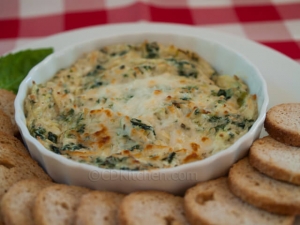
Love the spinach dip at restaurants like TGIFriday's and the Olive Garden? Make it at home with these easy-to-follow copycat recipes.
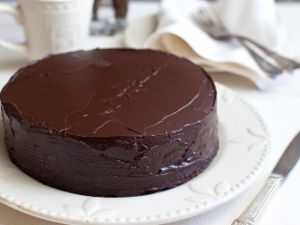
What's the secret ingredient in these cakes? Pudding mix. It not only adds flavor but it gives the cake a richer, creamier texture. No one will know your secret ingredient!

reviews & comments