

Asparagus and . . .

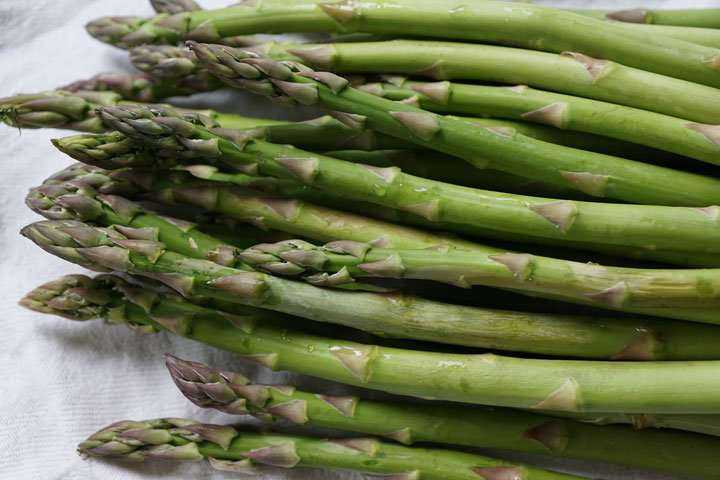
At some point during the day, most of us will ask the question “What’s for dinner tonight?” For the past six weeks, I knew with a good degree of certainty that my answer to that question would be “asparagus and…”
Our asparagus harvest was abundant. Everyday I picked between 10-15 beautiful spears. We started the bed three years ago and in order to allow for the crowns to develop a strong root system, we had to be patient and limit our harvesting to a few short weeks last year. But now that the plants are three years old, we were able to harvest for about 6 weeks. And since asparagus is one of my favorite vegetables, that was fine with me.
Asparagus is an interesting plant to observe as it grows. A member of the Lily family, asparagus spears grow from a crown that is planted about a foot deep in a trough of sandy soil. The perennial plants will produce for about 15 years. And when I say produce, I mean it--On warm spring and early summer days, an individual spear can grow 7-10 inches in just 24 hours!
There are three types of asparagus: green, white and purple. The green asparagus is the most common in the United States and usually the one you’ll find in the grocery store or at the local farmer’s market. The white type, favored in Europe, is really a green asparagus grown under mounds of soil to shield the spears from the sunlight. This process, called blanching, produces the creamy pale stalks. The purple type, which has more sugar than the green or white type, is my favorite. Chefs appear to favor the dramatic beauty of white asparagus. But the “plainer” green asparagus is a better nutritional choice. The California Asparagus Commission cites studies which show that green asparagus is higher in protein and contains nearly twice the amount of ascorbic acid and calcium along with more than twice the thiamin and niacin than the white asparagus.
If I could vote for a “king” of vegetables, asparagus would win the title. It is nutrient dense, low in calories and versatile. You can eat it raw, grill it, roast it, steam it, sauté it and microwave it. It’s delicious in salads, hot and cold soups, frittatas, pizzas, pasta dishes, side dishes and appetizers. For an appetizer one weekend, I took some large spears and wrapped them in Serrano ham slices which were spread with a bit of Boursin cheese. Then I put them on a foil lined baking tray in a 350 degree oven for about 7 minutes—just until the ham got a bit crispy and the cheese started to melt. The combined saltiness of the ham, the garlic creaminess of the cheese and the sweet asparagus were beyond sensational!
When purchasing asparagus, look for firm green spears that have compact tips with tight scales. Avoid spears with woody stems. And, believe it or not, when it comes to asparagus, you can be too thin! The thick spears are actually a better quality and tastier than thinner ones. When you get your asparagus home, rinse it well in cool water and trim a half inch or so off the bottom of the spears. Store the spears upright in two inches of water in a glass jar in your refrigerator. Wrap the spears and container in a bit of plastic wrap, change the water daily and the asparagus should remain fresh for about 3 days.
White asparagus has a tough outer surface and needs to be peeled prior to cooking. But, you lose valuable nutrients when you peel the asparagus, so I use only green or purple asparagus and never peel it. The tip and 6-8 inches down from it is the most tender and delicious part of the asparagus. The bottom of the spear may be a bit tough or woody. To trim off that part when you get ready to prepare the vegetable for eating, just hold the tip of the spear with one hand and the bottom of the spear with the other. Bend it gently and the spear will naturally break at the end of the tender part.
The most elegant partner for asparagus, in my opinion, is the morel mushroom. If you can find them fresh, use them in the recipe below. During the height of asparagus season, my husband and I went morel hunting one evening in the woods across the road from our home. The warm spring weather and rains provided ideal conditions for the mushrooms to thrive. But it was a good thing that I had a box of creminis on hand –apparently our neighbors were one step ahead of us and raided our “secret spot”.


Made with sea salt and freshly ground black pepper, truffle oil, whole wheat spaghetti, garlic, shallots, morel or cremini mushrooms, green or purple asparagus, green onions
Serves/Makes: 2
- 6 ounces dry thin whole wheat spaghetti
- 1 tablespoon minced garlic
- 2 tablespoons minced shallots
- 8 ounces morel or cremini mushrooms, cleaned and sliced into half-inch thick pieces
- 2 cups green or purple asparagus, cut on the diagonal into one-inch pieces
- 1/4 cup sliced green onions, cut on the diagonal into one-inch pieces
- 1 tablespoon white truffle oil
- sea salt and freshly ground black pepper
Cook the pasta according to package directions while you saute the vegetables.
Spray a non stick skillet with olive oil cooking spray, add the garlic and shallots and stirring constantly to avoid burning, saute over medium high heat for one minute.
Add the mushrooms to the pan; spray them with the cooking spray and saute for 2 minutes.
Add the asparagus pieces to the pan and cook for 3-5 minutes or until the asparagus is tender but still a bit crisp. (If the pan gets too dry and the vegetables begin to stick to the pan's surface, add a few tablespoons of the pasta cooking water to the vegetables.)
Remove the cooked spaghetti from the water with tongs (save the cooking liquid) and add the spaghetti to the vegetables in the pan.
Add the green onions and a quarter cup of the pasta water to the mixture. Gently combine and cook for one minute.
Pour the pasta and vegetables into a large serving bowl. Add a bit of the cooking water to moisten, if necessary.
Drizzle with the truffle oil and sprinkle with the sea salt and pepper to taste.


related articles


2 comments
I enjoyed your article. We have a huge asparagus patch on our farm in western SD. My husband always jokes that he bought the asparagus patch and the rest of the land was thrown in. We started two new rows about 16 years ago. When we built our house we had the man with a back hoe dig up my uncle's patch. The root balls were so large we couldn't dig them out by hand. I pick from 3 to 8lbs. almost daily from mid April to early June. It's lots of work but I have lots of loyal customers that love it, too. I clean and trim it so it's ready to eat. You don't need to trim harly any off if you don't let it get so tall.
Comment posted by Elaine
I very much enjoyed this article. When I was young, I hated the canned asparagus my godmother served with a cream sauce, but as my tastebuds and I matured, I began to appreciate this regal vegetable more. I do something similar to your asparagus/ham/cheese treats, using prosciutto and parmigiano reggiano (served with fresh melon). I also love to saute the tender tips with some pine nuts, garlic, kalamata olives, and fresh green beans from my garden. Sprinkle with a little black pepper and you're in heaven.
Comment posted by Kiki
Write a comment:
©2026 CDKitchen, Inc. No reproduction or distribution of any portion of this article is allowed without express permission from CDKitchen, Inc.
To share this article with others, you may link to this page:
https://www.cdkitchen.com/cooking-experts/victoria-wesseler/313-asparagus/