

cdkitchen > cooking experts > christine gable

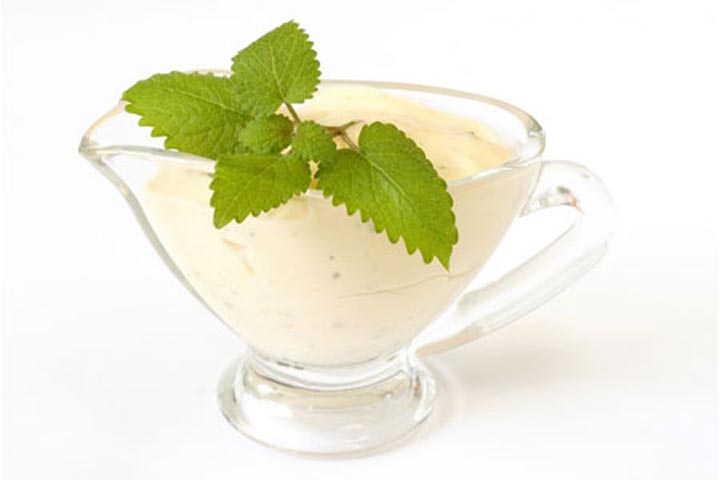
When recently dining at the New Holland Brewing Company, thanks to a recent press trip, it was a whole new meal experience to have a different beer paired with each and every course of the meal. Count ‘em: that’s 6 glasses at each place setting (yes, 6!) at the meal’s conclusion.
From chive and local goat cheese gougers aired with Full Circle Kolsch to the Poetic Stout Cake paired with an oatmeal stout and the artisan cheeses accompanying Dragon’s Milk—that’s stout aged in bourbon barrels—no holds were barred in sharing this microbrewery's creations.
Now, I’m not a huge beer drinker to begin with (although a cold one after yard work hits the spot), and I found this whole experience to be quite intriguing. I have never had a chocolate, oatmeal stout-inspired cake finished with cherry sauce (but hey, it was one-of-a-kind), and I even had the opportunity to try a new local veggie: ramps (Think cross between green onions and leeks). And we received premium service, with the owner and chef taking the time to explain the whys and hows of each pairing. Needless to say, I learned a ton.
Yet it was the Hatter’s Spring Salad, the Bibb lettuce and parsley salad with the creamy Mad Hatter vinaigrette, that left the biggest impression.
Was exactly was it, the lettuce … so fresh and buttery, or that creamy dressing? But as I heard the comments of those around me, I knew I wasn’t alone: that dressing was sublime. That’s when we writers began to conspire: Do you think the chef would give us the recipe? How about if we asked him what ingredients he used? We had a heyday tossing out our own ideas of what he may have used … hmmm, buttermilk … a mild olive oil … you mean there’s beer in this too?”
For as hard as it was to believe, that beer-tinged dressing was awesome. Creamy but smooth. Tangy but not too vinegar-y, the plague that brings down too many a dressing. And some herbs – oh, what were they? Sure, salt and pepper, but there was something else more elusive.
We did indeed have an entertaining time seeing if we could pinpoint the flavors that Executive Chef Matthew Millar married to create such a divine dressing. And when he came around to our table asking if we had any questions, out popped the ol' ingredient/recipe question.
And he graciously shared his secret stash: “Buttermilk … sour cream … honey … beer … salt and pepper and herbs.”
Mmm, buttermilk. Definitely the star ingredient. And it got me to thinking: other than the dried buttermilk that I keep on my refrig shelf for some baked goods recipes, that’s one fresh ingredient I haven’t used very much.
What exactly is buttermilk? Well, in days gone by, when folks used to churn their own butter, it was the residual liquid left over after the cream turned to butter. Thicker than regular milk but not as heavy as cream, it contains delightful little specks of sweet butter. One gallon of milk will yield 1/2 pint of pure buttermilk.
But today’s commercial buttermilk is made another way: with lactic acid bacteria. Added to whole, skim or non-fat milk, it is fermented for 12 to 14 hours at a low temperature (69ºF) and is labeled cultured buttermilk. That’s what I found at my local store. Read the label carefully if you’re looking for unsalted since most types are salted. And apparently the added bonus butter flecks depend on the brand and variety—sometimes yes, sometimes no.
Looks like the kind that I picked up was made from low-fat milk, contains salt AND the bonus butter flecks (yay!). Yet lest you think that buttermilk is off-the-charts in fat, be assured that it’s actually lower in fat than whole milk (remember to check that label for the type of milk it’s been cultured from!).
When I’ve made salad dressings before, I’ve had to be careful not to get them too vinegar-y. You know, those powerfully tangy dressings that can ruin a whole bowl of greens since the ratio of vinegar to oil is out of whack.
The basic ratio for mixing salad dressings is 3:1. That’s 3 parts oil to 1 part vinegar. You’ll certainly know when you’ve got it reversed, for the pucker-factor makes for a most unpleasant salad topping. The trick is to shoot for mildly tangy yet oh-so-smooth. And although Chef Millar didn’t mention any vinegar in his version, the kids helped me do some taste testing and we came up with this version—add additional salt and pepper to individual servings as needed.
©2026 CDKitchen, Inc. No reproduction or distribution of any portion of this article is allowed without express permission from CDKitchen, Inc.
To share this article with others, you may link to this page:
https://www.cdkitchen.com/cooking-experts/christine-gable/935-beer-dressing/
A Beer-Inspired Salad Dressing?
When recently dining at the New Holland Brewing Company, thanks to a recent press trip, it was a whole new meal experience to have a different beer paired with each and every course of the meal. Count ‘em: that’s 6 glasses at each place setting (yes, 6!) at the meal’s conclusion.
From chive and local goat cheese gougers aired with Full Circle Kolsch to the Poetic Stout Cake paired with an oatmeal stout and the artisan cheeses accompanying Dragon’s Milk—that’s stout aged in bourbon barrels—no holds were barred in sharing this microbrewery's creations.
Now, I’m not a huge beer drinker to begin with (although a cold one after yard work hits the spot), and I found this whole experience to be quite intriguing. I have never had a chocolate, oatmeal stout-inspired cake finished with cherry sauce (but hey, it was one-of-a-kind), and I even had the opportunity to try a new local veggie: ramps (Think cross between green onions and leeks). And we received premium service, with the owner and chef taking the time to explain the whys and hows of each pairing. Needless to say, I learned a ton.
Yet it was the Hatter’s Spring Salad, the Bibb lettuce and parsley salad with the creamy Mad Hatter vinaigrette, that left the biggest impression.
Was exactly was it, the lettuce … so fresh and buttery, or that creamy dressing? But as I heard the comments of those around me, I knew I wasn’t alone: that dressing was sublime. That’s when we writers began to conspire: Do you think the chef would give us the recipe? How about if we asked him what ingredients he used? We had a heyday tossing out our own ideas of what he may have used … hmmm, buttermilk … a mild olive oil … you mean there’s beer in this too?”
For as hard as it was to believe, that beer-tinged dressing was awesome. Creamy but smooth. Tangy but not too vinegar-y, the plague that brings down too many a dressing. And some herbs – oh, what were they? Sure, salt and pepper, but there was something else more elusive.
We did indeed have an entertaining time seeing if we could pinpoint the flavors that Executive Chef Matthew Millar married to create such a divine dressing. And when he came around to our table asking if we had any questions, out popped the ol' ingredient/recipe question.
And he graciously shared his secret stash: “Buttermilk … sour cream … honey … beer … salt and pepper and herbs.”
Mmm, buttermilk. Definitely the star ingredient. And it got me to thinking: other than the dried buttermilk that I keep on my refrig shelf for some baked goods recipes, that’s one fresh ingredient I haven’t used very much.
What exactly is buttermilk? Well, in days gone by, when folks used to churn their own butter, it was the residual liquid left over after the cream turned to butter. Thicker than regular milk but not as heavy as cream, it contains delightful little specks of sweet butter. One gallon of milk will yield 1/2 pint of pure buttermilk.
But today’s commercial buttermilk is made another way: with lactic acid bacteria. Added to whole, skim or non-fat milk, it is fermented for 12 to 14 hours at a low temperature (69ºF) and is labeled cultured buttermilk. That’s what I found at my local store. Read the label carefully if you’re looking for unsalted since most types are salted. And apparently the added bonus butter flecks depend on the brand and variety—sometimes yes, sometimes no.
Looks like the kind that I picked up was made from low-fat milk, contains salt AND the bonus butter flecks (yay!). Yet lest you think that buttermilk is off-the-charts in fat, be assured that it’s actually lower in fat than whole milk (remember to check that label for the type of milk it’s been cultured from!).
When I’ve made salad dressings before, I’ve had to be careful not to get them too vinegar-y. You know, those powerfully tangy dressings that can ruin a whole bowl of greens since the ratio of vinegar to oil is out of whack.
The basic ratio for mixing salad dressings is 3:1. That’s 3 parts oil to 1 part vinegar. You’ll certainly know when you’ve got it reversed, for the pucker-factor makes for a most unpleasant salad topping. The trick is to shoot for mildly tangy yet oh-so-smooth. And although Chef Millar didn’t mention any vinegar in his version, the kids helped me do some taste testing and we came up with this version—add additional salt and pepper to individual servings as needed.
Buttermilk-Beer Ranch Dressing


Made with dried oregano, buttermilk, sour cream, beer, apple cider vinegar, salt, black pepper, parsley
Made with dried oregano, buttermilk, sour cream, beer, apple cider vinegar, salt, black pepper, parsley
Serves/Makes: 1.25 cups
- 3/4 cup buttermilk
- 1/4 cup sour cream
- 2 tablespoons beer
- 3/4 teaspoon apple cider vinegar
- 1/4 teaspoon salt
- 1/4 teaspoon black pepper
- 1/8 teaspoon dried parsley
- 1/2 teaspoon dried oregano
Whisk together all ingredients until creamy. Pour into serving carafe or bottle and serve.
If you have time, chill for at least 30 minutes before serving.
NOTE: After dressing is completely chilled, it thickens. Remove from the refrigerator for 15 minutes and shake or stir well before serving.
share this article:


related articles




Write a comment:
©2026 CDKitchen, Inc. No reproduction or distribution of any portion of this article is allowed without express permission from CDKitchen, Inc.
To share this article with others, you may link to this page:
https://www.cdkitchen.com/cooking-experts/christine-gable/935-beer-dressing/