

cdkitchen > cooking experts > christine gable

Can you imagine not going to the grocery store? Me either. But that’s exactly how folks lived not so very long ago. Think back 50, 75 years and more … talk to your grandparents, if you’re still lucky to have them in your life. You’ll hear that people grew what they could seasonally in their garden—and they canned, dried, froze and fermented whatever they could to extend the growing season and make it through the less productive times of the year.
Just a couple weeks ago on a press trip to Holland, Michigan, I was fortunate to be a guest at the Lubbers Family Farm. Welcoming us to the farm, Jeff and Karen Lubbers shared with us how they became involved in becoming local producers of their own food: Their daughter had been diagnosed with brain cancer. In researching how best to help her find treatment and help her body heal and recover, they searched out locally grown, organic nutrient dense foods.
But they came up short. There weren’t sources of organic raw milk, cheese, and organic vegetables, fruits and grains. So what did they do? They set out to start raising their own. It turns out that they not only turned around the health of their daughter (she’s alive and well today), but they brought a tremendous gift to their community: vegetables, milk, cheese, bread and meat that is humanely and organically raised. As Karen says, “We set out to save our kid, and look where it led.” Today the Lubbers raise all of their own food and also offer the excess to their community in a direct-to-customer relationship.
The Lubbers are living a pastoral way of dairy farming—as Karen said, “We believe that this is how cows were intended to be on this earth.” But what exactly does that mean? Picture this: Cows actually in a meadow, eating grass and buttercups, with the sun shining down on them. They aren’t kept in an artificial environment in stalls, unable to move, treated as milk machines while subsisting on a chemical and/or antiobiotic-laced diet to increase milk production artificially. And treated more like machines than animals.
No, these are cows that harvest their own food while their manure is spread naturally throughout the green meadows and fields. As you may remember, my daughter recently started keeping backyard chickens, and it’s this very connection and recognition with our food supply that not only helps us understand the source of our food, but also helps us make smarter, more compassionate choices at the same time.
Visiting the Lubber Family Farm was energizing. Invigorating and exciting. But then, being around people who are passionate and doing what they love is exactly that and more.
I learned how eggs from healthy chickens don’t need to be refrigerated—they are coated with a natural “bloom,” a clear coating that seals the egg. Of course, factory farming industrial egg-producers are required to wash the eggs, a process which removes the bloom and then necessitates refrigeration. But if you’ve ever thought back to how our ancestors’ ancestors survived without refrigeration, it’s not too hard to connect the dots. And they were much closer and connected to their food source.
During our tour, nutrient dense foods were mentioned often. These are the foods that the Lubbers focused on providing to their daughter so that she could recover. These are obviously foods that have kept Jeff and Karen in glowing and abundant health as they have set out to change their own corner of the world.
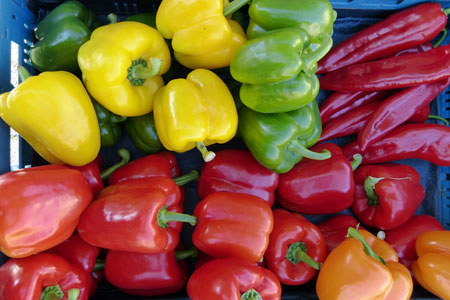
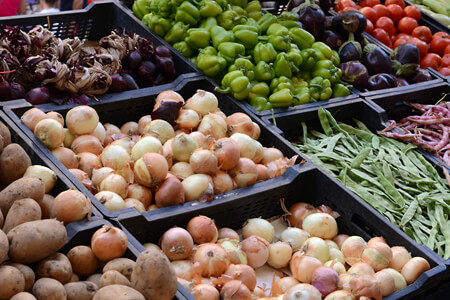
But what are nutrient dense foods? In the most basic sense, they are foods that provide the most nutrition, the most bang for their buck. They are high in fiber, nutrients and phytochemicals—but wonderfully low in undesirables (think calories, fat and sugar). These are the foods that you find around the perimeter of the grocery store: vegetables, fruits, fresh meat and fish, dairy products, grains and beans.
So when you shop, aim to make it quick and healthy: Stick to the outer ring of the store (as much as possible), and stock up on high-quality foods. Even better yet, find and visit some local farmers—talk to them and get to know how they raise their food. The more locally grown food you can find, the fresher and more nutrient dense it will be. Search out some fresh spinach, lettuce and kale. See if there’s a local farm that raises broccoli, free-range eggs or tomatoes. Find a source of chicken that allows their birds to live in their natural conditions (with the grass, sun and wind) versus tight, factory-farmed cages.
When you pair locally grown (and organic, when possible) selections with smart choices in the grocery store, you can naturally help your kids eat food that people were meant to consume. By minimizing the energy dense but nutrient-poor foods like refined flour products (cookies, chips, pastries), it’s a chance to create exactly what you’re hungry for in the kitchen together.
It’s also a chance to connect more deeply with food. With where your food really comes from. I encourage you to hunt out a local farm or farm stand in your area this summer. Buy some locally grown produce or some free-range eggs. Hey, perhaps even chat with the farmer!
Even when you can’t raise any of your own food, you can begin to make smart choices for your health (and the health of your kids). And that’s a powerful example that will help provide the foundation for a lifetime of good choices and healthy eating.
©2026 CDKitchen, Inc. No reproduction or distribution of any portion of this article is allowed without express permission from CDKitchen, Inc.
To share this article with others, you may link to this page:
https://www.cdkitchen.com/cooking-experts/christine-gable/914-nutrient-dense-foods/
Lubbers Family Farm: Local Nutrient Dense Foods
Just a couple weeks ago on a press trip to Holland, Michigan, I was fortunate to be a guest at the Lubbers Family Farm. Welcoming us to the farm, Jeff and Karen Lubbers shared with us how they became involved in becoming local producers of their own food: Their daughter had been diagnosed with brain cancer. In researching how best to help her find treatment and help her body heal and recover, they searched out locally grown, organic nutrient dense foods.
But they came up short. There weren’t sources of organic raw milk, cheese, and organic vegetables, fruits and grains. So what did they do? They set out to start raising their own. It turns out that they not only turned around the health of their daughter (she’s alive and well today), but they brought a tremendous gift to their community: vegetables, milk, cheese, bread and meat that is humanely and organically raised. As Karen says, “We set out to save our kid, and look where it led.” Today the Lubbers raise all of their own food and also offer the excess to their community in a direct-to-customer relationship.
The Lubbers are living a pastoral way of dairy farming—as Karen said, “We believe that this is how cows were intended to be on this earth.” But what exactly does that mean? Picture this: Cows actually in a meadow, eating grass and buttercups, with the sun shining down on them. They aren’t kept in an artificial environment in stalls, unable to move, treated as milk machines while subsisting on a chemical and/or antiobiotic-laced diet to increase milk production artificially. And treated more like machines than animals.
No, these are cows that harvest their own food while their manure is spread naturally throughout the green meadows and fields. As you may remember, my daughter recently started keeping backyard chickens, and it’s this very connection and recognition with our food supply that not only helps us understand the source of our food, but also helps us make smarter, more compassionate choices at the same time.
Visiting the Lubber Family Farm was energizing. Invigorating and exciting. But then, being around people who are passionate and doing what they love is exactly that and more.
I learned how eggs from healthy chickens don’t need to be refrigerated—they are coated with a natural “bloom,” a clear coating that seals the egg. Of course, factory farming industrial egg-producers are required to wash the eggs, a process which removes the bloom and then necessitates refrigeration. But if you’ve ever thought back to how our ancestors’ ancestors survived without refrigeration, it’s not too hard to connect the dots. And they were much closer and connected to their food source.
During our tour, nutrient dense foods were mentioned often. These are the foods that the Lubbers focused on providing to their daughter so that she could recover. These are obviously foods that have kept Jeff and Karen in glowing and abundant health as they have set out to change their own corner of the world.
But what are nutrient dense foods? In the most basic sense, they are foods that provide the most nutrition, the most bang for their buck. They are high in fiber, nutrients and phytochemicals—but wonderfully low in undesirables (think calories, fat and sugar). These are the foods that you find around the perimeter of the grocery store: vegetables, fruits, fresh meat and fish, dairy products, grains and beans.
So when you shop, aim to make it quick and healthy: Stick to the outer ring of the store (as much as possible), and stock up on high-quality foods. Even better yet, find and visit some local farmers—talk to them and get to know how they raise their food. The more locally grown food you can find, the fresher and more nutrient dense it will be. Search out some fresh spinach, lettuce and kale. See if there’s a local farm that raises broccoli, free-range eggs or tomatoes. Find a source of chicken that allows their birds to live in their natural conditions (with the grass, sun and wind) versus tight, factory-farmed cages.
When you pair locally grown (and organic, when possible) selections with smart choices in the grocery store, you can naturally help your kids eat food that people were meant to consume. By minimizing the energy dense but nutrient-poor foods like refined flour products (cookies, chips, pastries), it’s a chance to create exactly what you’re hungry for in the kitchen together.
It’s also a chance to connect more deeply with food. With where your food really comes from. I encourage you to hunt out a local farm or farm stand in your area this summer. Buy some locally grown produce or some free-range eggs. Hey, perhaps even chat with the farmer!
Even when you can’t raise any of your own food, you can begin to make smart choices for your health (and the health of your kids). And that’s a powerful example that will help provide the foundation for a lifetime of good choices and healthy eating.
share this article:


related articles




Write a comment:
©2026 CDKitchen, Inc. No reproduction or distribution of any portion of this article is allowed without express permission from CDKitchen, Inc.
To share this article with others, you may link to this page:
https://www.cdkitchen.com/cooking-experts/christine-gable/914-nutrient-dense-foods/