

cdkitchen > cooking experts > victoria wesseler

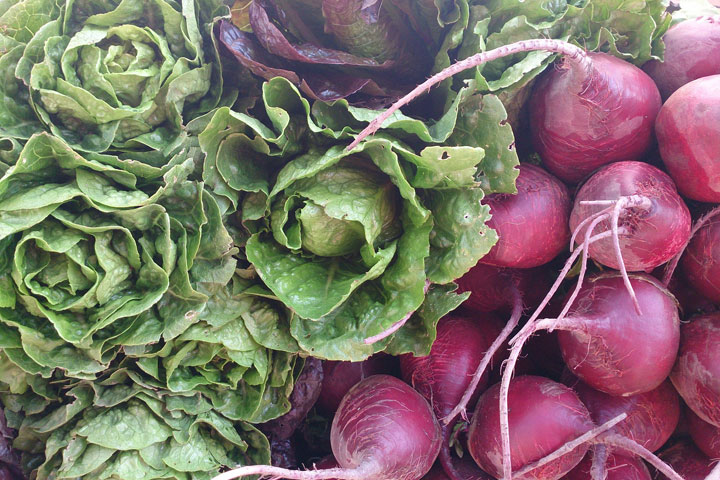
Last week I was purchasing some produce at a local Farmer’s Market when I overhead another customer ask the farmer managing the booth if his products were organic. His answer was, "We’re not certified organic, but we do not use pesticides or synthetic fertilizers." The customer thanked him and walked across the market to a vendor who displayed a “Certified Organic” sign and began loading her bag with his products. The “left behind” vendor shrugged and told me as I paid for my items, “I had to tell her the truth. Basically we are an organic farming operation. I just don’t have the time to do all the government paperwork involved with becoming certified organic. But essentially, we are an organic operation. I just can’t say that to customers.” That incident got me thinking about what really is and isn’t organic.
The United States Department of Agriculture (USDA) has developed a set of national standards that food labeled “organic” must meet. These standards apply to food grown in the United States as well as other countries. Before a product can be labeled with the USDA’s “Certified Organic” label the grower must submit a farm plan to the USDA and be inspected by a third-party who will determine whether or not the operation adheres to the strict government standards. These standards include requirements for how the food is grown, handled, stored and processed. (For additional detailed information about the USDA organic standards at http://www.ams.usda.gov/nop/NOP/standards.html )
Jeff Evard and Art Sherwood own and operate LIFE Farm in Morgan County, Indiana. Their operation is a certified organic farm. Before they partnered, Jeff spent the first three years in “transitional organic” status as he began the process to certify his farm and operations in order to earn the USDA certified organic designation. LIFE was certified organic in 2007. The Purdue and IU graduates produce a variety of certified organic tomatoes, cucumbers, basil, peppers, squashes and beets in greenhouses and open fields. In 2008 they will add organic strawberries to their produce offerings.
Jeff and Art are strong supporters of the certified organic process which they say allows them to trace a vegetable from the field back to the seed house. “It’s a complete system of accountability," Jeff notes. “The process is designed to provide the consumer with assurances that the farmer is accountable for adhering to a set of defined practices that cover everything from farming practices to packing the produce in clean boxes to having a certificate of 'clean truck' for transport. Only food which has met the USDA’s requirements for organic and comes from a USDA certified operation is allowed to be labeled as organic or, more correctly, certified organic.”
Art echoes Jeff’s sentiments about accountability, “It’s a trust issue. We want our customers to know that we are living up to the standards for producing organic products. But it’s more than just production. It’s adhering to standards for water and land management as part of a sustainability ethic. The certified organic label speaks for us when we can’t be there to talk to the customer about our farming process.”
Our organic farmers benefit us in ways that go beyond producing a healthy, delicious product. They are also committed to preserving the land and using farming practices which support our ecosystems by not using pesticides and synthetic fertilizers which can runoff into our waterways and surrounding land. Jeff and Art take great pride in their stewardship of the land placed under their care and the fact that their “agricultural footprint” will be but a whisper.
One concern that consumers often voice is that organic produce is sometimes more expensive than the conventionally grown produce. From a pure business standpoint, it is easy to see why some charge more for organics. Organics are more work for the farmer both in the field and in the office. But for consumers who wish to minimize their exposure to chemicals and pesticides, the extra expense may be worth it. However, it’s interesting to note that the USDA makes no claims that organic food is safer or more nutritious than conventionally produced foods.
So, what about the vendor at the Farmer’s Market? Was his produce organic? According to the USDA, the answer is officially no. But perhaps the customer should not have been so quick to leave before hearing the farmer’s whole story. According to Jeff, “There are plenty of farmers who follow all the processes for organic and just don’t have the desire or time to deal with the government paperwork. In those cases, I recommend that you get to know your grower and discuss his or her farming practices before you make a decision to buy or not buy the products offered.”
While large supermarket chains and grocery store operations offer organic produce and products from a variety of other countries, locally grown and raised items are preferable to those consumers who have a desire to know the details about who is growing their food and how it is produced. Next week I’ll discuss the largest food movement in the country today—the movement toward locally grown and raised food.
©2026 CDKitchen, Inc. No reproduction or distribution of any portion of this article is allowed without express permission from CDKitchen, Inc.
To share this article with others, you may link to this page:
https://www.cdkitchen.com/cooking-experts/victoria-wesseler/565-organic-food/
Defining Organic
Last week I was purchasing some produce at a local Farmer’s Market when I overhead another customer ask the farmer managing the booth if his products were organic. His answer was, "We’re not certified organic, but we do not use pesticides or synthetic fertilizers." The customer thanked him and walked across the market to a vendor who displayed a “Certified Organic” sign and began loading her bag with his products. The “left behind” vendor shrugged and told me as I paid for my items, “I had to tell her the truth. Basically we are an organic farming operation. I just don’t have the time to do all the government paperwork involved with becoming certified organic. But essentially, we are an organic operation. I just can’t say that to customers.” That incident got me thinking about what really is and isn’t organic.
The United States Department of Agriculture (USDA) has developed a set of national standards that food labeled “organic” must meet. These standards apply to food grown in the United States as well as other countries. Before a product can be labeled with the USDA’s “Certified Organic” label the grower must submit a farm plan to the USDA and be inspected by a third-party who will determine whether or not the operation adheres to the strict government standards. These standards include requirements for how the food is grown, handled, stored and processed. (For additional detailed information about the USDA organic standards at http://www.ams.usda.gov/nop/NOP/standards.html )
Jeff Evard and Art Sherwood own and operate LIFE Farm in Morgan County, Indiana. Their operation is a certified organic farm. Before they partnered, Jeff spent the first three years in “transitional organic” status as he began the process to certify his farm and operations in order to earn the USDA certified organic designation. LIFE was certified organic in 2007. The Purdue and IU graduates produce a variety of certified organic tomatoes, cucumbers, basil, peppers, squashes and beets in greenhouses and open fields. In 2008 they will add organic strawberries to their produce offerings.
Jeff and Art are strong supporters of the certified organic process which they say allows them to trace a vegetable from the field back to the seed house. “It’s a complete system of accountability," Jeff notes. “The process is designed to provide the consumer with assurances that the farmer is accountable for adhering to a set of defined practices that cover everything from farming practices to packing the produce in clean boxes to having a certificate of 'clean truck' for transport. Only food which has met the USDA’s requirements for organic and comes from a USDA certified operation is allowed to be labeled as organic or, more correctly, certified organic.”
Art echoes Jeff’s sentiments about accountability, “It’s a trust issue. We want our customers to know that we are living up to the standards for producing organic products. But it’s more than just production. It’s adhering to standards for water and land management as part of a sustainability ethic. The certified organic label speaks for us when we can’t be there to talk to the customer about our farming process.”
Our organic farmers benefit us in ways that go beyond producing a healthy, delicious product. They are also committed to preserving the land and using farming practices which support our ecosystems by not using pesticides and synthetic fertilizers which can runoff into our waterways and surrounding land. Jeff and Art take great pride in their stewardship of the land placed under their care and the fact that their “agricultural footprint” will be but a whisper.
One concern that consumers often voice is that organic produce is sometimes more expensive than the conventionally grown produce. From a pure business standpoint, it is easy to see why some charge more for organics. Organics are more work for the farmer both in the field and in the office. But for consumers who wish to minimize their exposure to chemicals and pesticides, the extra expense may be worth it. However, it’s interesting to note that the USDA makes no claims that organic food is safer or more nutritious than conventionally produced foods.
So, what about the vendor at the Farmer’s Market? Was his produce organic? According to the USDA, the answer is officially no. But perhaps the customer should not have been so quick to leave before hearing the farmer’s whole story. According to Jeff, “There are plenty of farmers who follow all the processes for organic and just don’t have the desire or time to deal with the government paperwork. In those cases, I recommend that you get to know your grower and discuss his or her farming practices before you make a decision to buy or not buy the products offered.”
While large supermarket chains and grocery store operations offer organic produce and products from a variety of other countries, locally grown and raised items are preferable to those consumers who have a desire to know the details about who is growing their food and how it is produced. Next week I’ll discuss the largest food movement in the country today—the movement toward locally grown and raised food.
share this article:


related articles




Write a comment:
©2026 CDKitchen, Inc. No reproduction or distribution of any portion of this article is allowed without express permission from CDKitchen, Inc.
To share this article with others, you may link to this page:
https://www.cdkitchen.com/cooking-experts/victoria-wesseler/565-organic-food/