

cdkitchen > cooking experts > christine gable

Spring is slowly warming our shoulders here in the Northeast. While the first day of spring was colder and more blustery than I was hoping for, we decided to forge ahead and celebrate the return of the (soon-to-come) warmer weather. Like many others in our neighborhood, we lined up at the local Rita’s Italian Ice for the first taste of their divine concoctions—all in the name of welcoming the spring equinox. Secondly, we joined the Obamas for some gardening. Say what?
That’s right—after reading that Michelle Obama was going to be digging in her garden on the South Lawn on the first day of spring, I knew it was time for us to get an early start too. For while time has a way of slipping by just too fast sometimes, it really doesn’t take too long to tuck a few rows of seeds into the soil—and then wait and watch. That’s really where the time investment comes into play.
Daughter’s chickens have been doing a fantastic job of scratching and digging—their own version of rototilling—on the many days they have been free-ranging in the garden over the winter too. So it didn’t take long to run the powered rototiller across the surface, to mix in the 5 or 6 wheelbarrow loads of compost that we dug out of the overflowing bin.
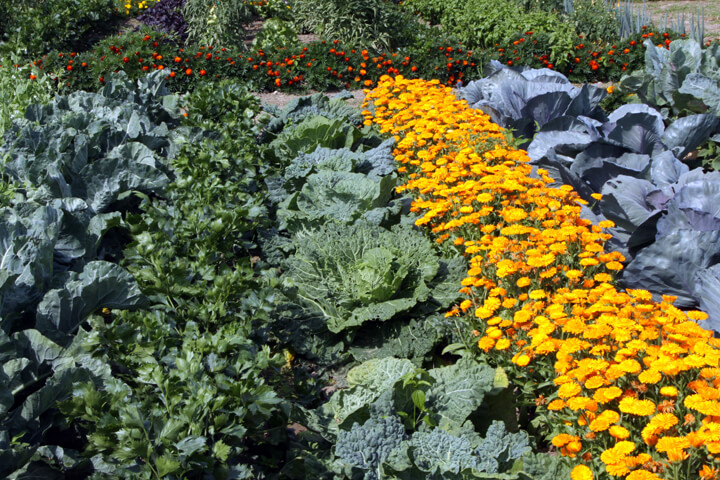
Rich, dark and loamy. The soil looked better than ever before—especially with all those autumn leaves that were worked into the top layer. And with April’s spring rains now upon us, we’re looking forward to seeing how our choices grow and produce this year (It really is amazing how many wonderful vegetables can be grown right outside your backdoor—with less effort than it takes to make a grocery store run).
That’s why I was so excited to read about the Obama family’s commitment to their garden. There hasn’t been a garden at the White House since Eleanor Roosevelt’s victory garden. And while it’ll help supply vegetables for their dinner table, Michelle Obama said that its most important role is in helping to educate children about locally grown fruit and vegetables. She feels this is vitally important in a time when obesity and diabetes have become national dilemmas.
This also underlines how we can each make a difference in the food chain—and bring local food to our tables right from our backyards. Even the media is referring to this new wave of gardens as “recession gardens.” That’s because there’s expected to be a 19 percent increase in folks growing their own fruits, vegetables and berries over last year (up to 43 million, according to the National Gardening Association). And while many of them are reported to be doing this to save money, even more say that it’s because homegrown food just tastes better. If you’ve ever eaten a just-picked, sun-warmed tomato, you have to agree.
In a recent New York Times article, the First Lady stated that, “My hope is that through children, they will begin to educate their families and that will, in turn, begin to educate our communities.” She was referring to the outreach opportunities that the Presidential garden would have since fifth graders from a local elementary school will help to plant, harvest and cook some of the delights grown in the garden.
Best of all, the First Family’s garden will be organic. And what better way to make a visible statement of the importance of locally grown, organic food than from the First Family. And it’s quite a selection (with 55 varieties of veggies) that will be grown from organic seedlings. From lettuce and chard to kale and berries, there will even be herbs and honey. And they’re even fertilizing with compost, lime and green sand and crab meal from the Chesapeake Bay. Helpful insects like ladybugs and praying mantises will also call the garden home.
But lest you think that this is all fine and dandy for them and their staff and grounds crew to maintain—and you don’t feel that you have the time, interest or energy to partake a plot of your own, I urge you to think again.
For if you take just half an hour to turn up the soil and dig beneath that ornamental grass, you really do have the opportunity to open up a wealth of learning and education for your kids. In fact, once you get started—and just ask for a helper to pick out seed packets—you might have more help than you bargained for.
Even just one or two potted cherry tomato plants on your patio can connect you and your kids to the source and energy of food. And it’s a connection that not only builds memories, but also lays a strong foundation for their future food and purchasing choices. Planting a garden is really much more than it appears at first glance. Victory garden, recession garden, or White House garden … supporting locally grown food is one of the most important stands you can take to grow children’s health and their future, sustainably.
©2026 CDKitchen, Inc. No reproduction or distribution of any portion of this article is allowed without express permission from CDKitchen, Inc.
To share this article with others, you may link to this page:
https://www.cdkitchen.com/cooking-experts/christine-gable/880-victory-garden/
The New Victory Garden
Spring is slowly warming our shoulders here in the Northeast. While the first day of spring was colder and more blustery than I was hoping for, we decided to forge ahead and celebrate the return of the (soon-to-come) warmer weather. Like many others in our neighborhood, we lined up at the local Rita’s Italian Ice for the first taste of their divine concoctions—all in the name of welcoming the spring equinox. Secondly, we joined the Obamas for some gardening. Say what?
That’s right—after reading that Michelle Obama was going to be digging in her garden on the South Lawn on the first day of spring, I knew it was time for us to get an early start too. For while time has a way of slipping by just too fast sometimes, it really doesn’t take too long to tuck a few rows of seeds into the soil—and then wait and watch. That’s really where the time investment comes into play.
Daughter’s chickens have been doing a fantastic job of scratching and digging—their own version of rototilling—on the many days they have been free-ranging in the garden over the winter too. So it didn’t take long to run the powered rototiller across the surface, to mix in the 5 or 6 wheelbarrow loads of compost that we dug out of the overflowing bin.
Rich, dark and loamy. The soil looked better than ever before—especially with all those autumn leaves that were worked into the top layer. And with April’s spring rains now upon us, we’re looking forward to seeing how our choices grow and produce this year (It really is amazing how many wonderful vegetables can be grown right outside your backdoor—with less effort than it takes to make a grocery store run).
That’s why I was so excited to read about the Obama family’s commitment to their garden. There hasn’t been a garden at the White House since Eleanor Roosevelt’s victory garden. And while it’ll help supply vegetables for their dinner table, Michelle Obama said that its most important role is in helping to educate children about locally grown fruit and vegetables. She feels this is vitally important in a time when obesity and diabetes have become national dilemmas.
This also underlines how we can each make a difference in the food chain—and bring local food to our tables right from our backyards. Even the media is referring to this new wave of gardens as “recession gardens.” That’s because there’s expected to be a 19 percent increase in folks growing their own fruits, vegetables and berries over last year (up to 43 million, according to the National Gardening Association). And while many of them are reported to be doing this to save money, even more say that it’s because homegrown food just tastes better. If you’ve ever eaten a just-picked, sun-warmed tomato, you have to agree.
In a recent New York Times article, the First Lady stated that, “My hope is that through children, they will begin to educate their families and that will, in turn, begin to educate our communities.” She was referring to the outreach opportunities that the Presidential garden would have since fifth graders from a local elementary school will help to plant, harvest and cook some of the delights grown in the garden.
Best of all, the First Family’s garden will be organic. And what better way to make a visible statement of the importance of locally grown, organic food than from the First Family. And it’s quite a selection (with 55 varieties of veggies) that will be grown from organic seedlings. From lettuce and chard to kale and berries, there will even be herbs and honey. And they’re even fertilizing with compost, lime and green sand and crab meal from the Chesapeake Bay. Helpful insects like ladybugs and praying mantises will also call the garden home.
But lest you think that this is all fine and dandy for them and their staff and grounds crew to maintain—and you don’t feel that you have the time, interest or energy to partake a plot of your own, I urge you to think again.
For if you take just half an hour to turn up the soil and dig beneath that ornamental grass, you really do have the opportunity to open up a wealth of learning and education for your kids. In fact, once you get started—and just ask for a helper to pick out seed packets—you might have more help than you bargained for.
Even just one or two potted cherry tomato plants on your patio can connect you and your kids to the source and energy of food. And it’s a connection that not only builds memories, but also lays a strong foundation for their future food and purchasing choices. Planting a garden is really much more than it appears at first glance. Victory garden, recession garden, or White House garden … supporting locally grown food is one of the most important stands you can take to grow children’s health and their future, sustainably.
share this article:


related articles




Write a comment:
©2026 CDKitchen, Inc. No reproduction or distribution of any portion of this article is allowed without express permission from CDKitchen, Inc.
To share this article with others, you may link to this page:
https://www.cdkitchen.com/cooking-experts/christine-gable/880-victory-garden/