

The Forgotten Fish

For us snobby food types, tilapia gets a bad rap. Maybe it is because the fish is so readily available we look down on the firm white fillets behind their glass enclosure; tilapia lacks the rarity of more sought after fishes like sea bass, halibut, and ahi tuna. Tilapia is the cheap fish-of-the-day special, the “fresh catch” that goes into many a fish and chips, the filler white fish in seafood chowders. Tilapia is everywhere and nowhere at the same time.
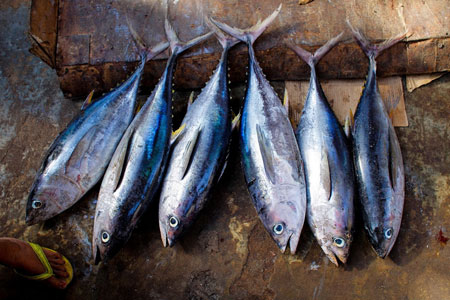
When did tilapia become the poor man’s cod and is its reputation really deserved? I think not. The world of fish has become so confusing. Ahi is over fished and causing mercury buildup in women! Salmon fisheries add coloring to their fish to make them look more pink! Chilean sea bass is over fished and (gasp!) that’s not even its real name!
Somewhere along the line of sorting out what fish is good to eat and what fish isn’t, we were told a good rule of thumb was to avoid farm raised fish and only buy wild. This is perhaps partly responsible for the movement away from farmed fish like tilapia and toward the line of caught tunas and swordfish of the world. While five year ago that rule of thumb may have applied, the industry is catching up with people’s demand for fish, combined with the desire for personal health and sustainability of the oceans. Some fish farms in the US are raising farmed fish in a sustainable manner that cuts down on pollution and keep the fish from invading other habitats.
According to the Seafood Watch guide put out by the Monterey Bay Aquarium, tilapia is a good candidate for farming because it consumes far less protein than it provides, especially in developing countries where affordable protein can be in short supply. The guide (available online at www.montereybayaquarium.org) recommends tilapia farmed in the United States, as the fish tend to be raised in inland environments that protect the fish from escaping and invading other habitats. Tilapia from Central and South America is recommended as a good alternative to other imported fishes even though the fisheries are less regulated. But it advised to avoid tilapia from China and Taiwan, where much of our tilapia comes from, because of poor regulation and oversight.
In his case, it is easy to see why my fish guy was excited about the Ecuadorian tilapia. As I told him when he asked how I was planning to prepare my fish that night, tilapia has a firm white flesh that adapts well to many cooking techniques and flavor combinations. I could bread the fish and pan fry, but the flesh is firm enough it will also hold up to just a little salt and pepper and a quick pan sauté. It will steam well over vegetables per the fish guy’s suggestion, or poach in a little white wine. For that night’s meal, I pan sautéed the fillets with salt, pepper, and a little olive oil. While the fish was cooking I made a butter sauce with leeks, white wine, and some capers and lemon verbena at the end. Served over rice and peas with a green salad, the tilapia turned out to be an inexpensive and flavorful alternative to more expensive fish dinners.
Eating fish that tastes good, that is reasonably priced, and at the same time is good for the health of the oceans can sometimes be a challenge. But the fish guy was on to something. The oft overlooked tilapia might be one of the best ways to get a delicious fish dinner on the table and feel good about yourself at the same time.


Made with Basmati rice, water, peas, salt, olive oil, leek, white wine, black pepper, butter, capers
Serves/Makes: 4
- 1 cup Basmati rice
- 1 1/2 cup water
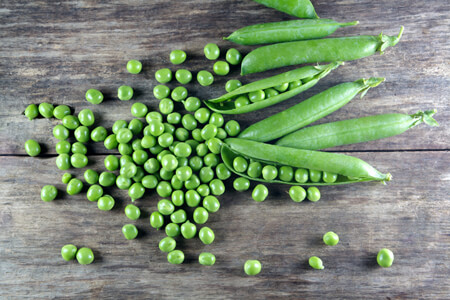
- 1/3 cup shelled peas
- 1/2 teaspoon salt
- 1 tablespoon olive oil
- 1/2 medium leek, white part
- 1/2 cup white wine
- 1/2 teaspoon ground black pepper
- 6 tablespoons cold butter
- 1 1/2 tablespoon capers, rinsed
- 1/4 minced lemon verbena leaves
- 1 3/4 pound tilapia fillets
- salt and pepper
- olive oil
Bring rice, water, peas, salt, and olive oil to a boil in a medium saucepan. Stir once, cover with a lid and reduce heat to low. Cook for 20 minutes then turn off heat. Let rice rest for at least five minutes.
Meanwhile, thinly slice leek crosswise. In a small saucepan combine leek, black pepper and white wine. Bring to a simmer and cook down until only 1 tablespoon liquid remains. Set aside.
Heat oven to 200 degrees F. Lightly oil a baking sheet and place on a rack in the oven. Season all fish fillets on both sides with salt and pepper.
Heat a couple of tablespoons of olive oil in a large non-stick saute pan. Working with 2-3 fillets at a time, cook tilapia for about two minutes per side until browned and just cooked through. Transfer fish to warm oven to hold. Repeat with remaining fish scraping out browned bits and adding more oil between batches. When ready to serve, reheat wine and leeks over medium low heat.
Cut cold butter into pieces. Whisk butter in a bit at a time to form a sauce. When all butter has been incorporated, remove from heat and stir in capers, lemon verbena and a pinch of salt. Fluff rice with a fork and divide among four plates. Top rice with tilapia and spoon sauce over the fish. Serve with a green salad or vegetable for a complete meal.


related articles




Write a comment:
©2026 CDKitchen, Inc. No reproduction or distribution of any portion of this article is allowed without express permission from CDKitchen, Inc.
To share this article with others, you may link to this page:
https://www.cdkitchen.com/cooking-experts/amy-powell/1155-tilapia/