

Patio Produce: Herbs


What would sliced tomatoes be without basil… roasted potatoes without rosemary…Greek salad without oregano…sausage without sage…or, in the case of the unthinkable, a julep without the mint?
Nothing takes a side dish, salad, soup, entrée, dessert or even some beverages from good to great quicker than the flavor, scent and color of fresh herbs. Even if your garden space is limited to an indoor windowsill, table or countertop, you can grow your own herbs this summer.
Throughout history, herbs have been an integral part of our lives both inside and outside of the kitchen. They were grown and used for culinary, medicinal and hygienic purposes by the Romans, Egyptians and American colonists. Roman soldiers used lavender to cleanse wounds on the battlefield. Rosemary has been found in the wrappings of mummies in Egypt. Fragrant herbs, called strewing herbs, were often placed on the floor of American colonists’ homes so that their aromas would be released as people stepped on them in the hopes of masking household odors.
Today, fresh herbs are an essential ingredient for anyone who wants to add flavor, scent and color to his or her culinary creations. And the good news is that it is easier than ever to find a wide selection of good quality herbs in most grocery stores.
When purchasing herbs, look for ones that are brightly colored, free of brown/yellow spots or wilted leaves, and have a fresh, clean fragrance. When you get them home, wrap them in a damp paper towel and store them in an airtight plastic bag in your refrigerator’s vegetable section. Change the paper towel about every two to three days. Most herbs will last 5-7 days if stored this way. Maybe even longer. Last November, I managed to keep a huge amount of rosemary fresh and usable for nearly six weeks by changing the paper towels every few days. When you want to use your stored herbs, give them a rinse in cool water, blot them dry on a clean kitchen or paper towel and they are ready to go.
I have to admit that most store purchased herbs are pretty good in terms of quality and flavor. But there is nothing like growing your own. Herbs are easy to grow both indoors and out and can be grown successfully on a sunny patio, balcony or windowsill.
While you can grow many herbs easily from seed, if you are going to limit your growing to pots, it’s better to get starter plants at a nursery. The hardest thing about growing herbs is deciding which ones to select. There are so many wonderful choices. Visit a garden shop or nursery and browse. Think about how you cook and what you would really use. Some of the more popular herbs for container growing are:
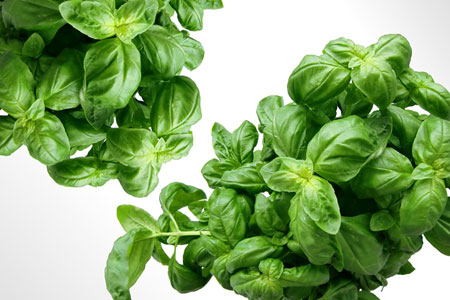
Basil
Chives
Dill
Lemon Balm
Mint
Oregano
Parsley
Rosemary
Sage
Thyme
Here are some tips to assure success with your herb growing:
• Choose pots that are at least 10 inches in diameter and 12 inches deep. Make sure they have excellent drainage. I prefer plastic pots over clay because clay tends to dry out faster.
I recommend planting only one type of herb per pot and limiting the number of plants to two per container. I know, you always see those herb pots at stores that are filled with all sorts of herbs stuffed into one giant container. They are so pretty at the beginning of the season, but they will not do well once you get them home. The herbs will soon overcrowd each other and some, or all, will begin to die out.
• Fill the pot two-thirds full with a good, lightweight potting soil mix which has some peat and perlite in it.
• Water the herb in its nursery pot, let it sit for 10 minutes and then gently take the plant out of the pot. Don’t pull on the plant. If it is not coming out of the pot with a gentle tug on the bottom of the pot, use garden or kitchen scissors to cut the sides of the pot free. Use your fingers to gently free the roots of the plant a bit if it is “pot bound”.
• Dig a hole in the center of the soil in your pot or two side by side if you are using two plants. Make the hole(s) twice the diameter of the root ball and twice as deep as the depth of it. Place the herb plant(s) in the soil. Gently backfill the hole and pat the soil around the plant(s).
• Water the top of the soil and add more soil if necessary to bring the soil level up to within 1-2 inches of the top of the pot.
• Water as needed. Check to see if the top inch of the pot’s soil is dry. If it is, water enough so that you see water coming out of the drainage hole in the bottom of the container.
On hot sunny days, you may need to water herbs twice. Small pots tend to dry out very quickly. Indoor herbs will need less water— twice a week might be enough.
When you buy your herb plants, ask for information about any specific watering and fertilizer requirements. I generally find fertilizing them with an all purpose fertilizer or a fertilizer made especially for herbs once a month works well for most herbs. But, I feed my basil pots every two weeks because they are “heavy feeders.”
• Place your pots in a sunny spot on your patio or balcony. If you are growing them indoors, a sunny window spot with a southern exposure is ideal.
• As the plants mature, pinch back the leaves on occasion to encourage bushy growth and avoid spindly plants.
• When you want to harvest your herbs, use kitchen or garden shears to snip off the leaves or sprigs. Harvest about 1/3 of the plant or less at a time and do it early in the morning.
You can use your fresh herbs in so many different and creative ways:
• Freeze tiny mint leaves in ice cubes and put them in glasses of lemonade or iced tea.
• Take a handful of lemon balm, crush the leaves gently to release the spicy lemon fragrance and add the leaves to your bath water for a spa soak.
• Place a sprig of sage or rosemary near your napkins the next time you set your table.
• Tuck a few sprigs of lavender in a small vase on your night stand. The scent will relax you as your drift off to sleep.
And, of course, they’ll add such beautiful accents to your dishes.
Reserve a few tablespoons of your herbs for making these easy and versatile herb butters. The butters freeze well, so you might want to freeze some for your own use in the winter months or to give as gifts during the holidays.
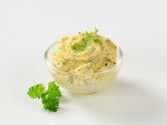

Serves/Makes: 0.5 cup
- 1/2 cup unsalted butter, at room temperature
- 2 tablespoons finely grated lemon zest
- 3 tablespoons finely chopped parsley
Using your fingers or a small fork, evenly blend the zest and parsley into the butter.
If you are going to use the butter in a few days, pack it into a ramekin, cover the top with plastic wrap and then cover it again with foil. Refrigerate until ready to use.
If you are going to freeze the butter for future use, roll it into a small log, snuggly wrap it with plastic wrap and then wrap it again with foil. Place the log in a freezer storage bag before placing it in the freezer. Thaw in the refrigerator prior to using.
Use it on steamed vegetables, mashed or roasted potatoes, rice, fish or chicken.
Victoria's Notes: Let your senses be your guide when it comes to making these butters. Add more or less of the herbs and citrus to suit your palate.
It's fun to experiment with other flavor combinations with or without the citrus zest. Try tucking cilantro with lime zest butter under the skin of chicken breasts before you roast them, use French tarragon with orange zest butter for topping halibut, place a pat of thyme and lemon butter on steamed carrots, serve a chive studded butter with baked potatoes, or garnish a grilled steak with a tiny bit of butter flavored with very finely chopped rosemary and coarsely grated black pepper.


related articles




1 comments
One thing I'm very excited about when I finally grow my first herb garden is making lavender pillows and making my own tea. Lavender is good for headache relief as well as helping us to relax!
Comment posted by Amanda
Write a comment:
©2026 CDKitchen, Inc. No reproduction or distribution of any portion of this article is allowed without express permission from CDKitchen, Inc.
To share this article with others, you may link to this page:
https://www.cdkitchen.com/cooking-experts/victoria-wesseler/498-patio-grown-herbs/