

cdkitchen > cooking experts > amy powell

Greetings from San Francisco, land of plot-to-plate cooking. More commonly referred to as “farm to table” cooking, this movement of sourcing locally produced food was born of this city and to this day remains the proudest export of its culinary scene. Like any prideful city, there are those residents who take this notion of local cooking to, let’s say, an extreme. But for those of us in other parts of the country without a vibrant local farming and artisanal food producing scene, there is much we can take away from San Francisco, even if it’s just smuggling cheese and olive oil home in our suitcase.
To find the embryonic beginnings of the plot-to-plate movement, one must actually leave San Francisco and cross the Bay Bridge travelling to the East Bay city of Berkeley. There, in what was once an old apartment building, now stands the grandmother of all restaurants that herald fresh, locally sourced ingredients: Chez Panisse. Founded in 1971 by still-owner Alice Waters, the restaurant was one of the first to champion local producers.
During the early years, Alice Waters and her chef Jeremiah Tower (two people who, along with Wolfgang Puck, are credited with creating California cuisine), were radical for buying baby greens from local farmers at a time when most Americans, including grocers, had not even heard of the term “mesclun greens.” Goat cheese from a nearby artisan cheese producer was coated in fresh bread crumbs, baked, and served with baby lettuces for what is now a ubiquitous restaurant item, goat cheese salad. With that famous salad, and many other recipes derived from close relationships with local farmers and producers, began a movement that quickly spread through the city.
It takes no more than a quick glance through the San Francisco Chronicle’s Top 100 Restaurant List or a walk through the gourmet’s paradise known as the Ferry Building to recognize the progeny of Chez Panisse. Judi Rodgers, a Chez Panisse alum, went on to open the restaurant Zuni Café, a restaurant consistently rated among the top in the city and known for its near-perfect organic roast chicken with panzanella salad among other local ingredient driven recipes.
On the water at the historic Fort Mason sits the restaurant Greens, founded by alum Deborah Madison who also has made a name for herself writing cookbooks about the restaurant’s namesake: vegetables. A stroll down the aisles of the Ferry Building will reveal Acme Bread Company’s shop and Cowgirl Creamery’s cheese store, both artisan producers who put in their time on the line in Chez Panisse.
A chef or artisan food producer need not have donned a chef’s coat in the kitchen of Chez Panisse to see the influence localism has had on the fine food men and women of this city. Restaurants I have eaten at this week, such as Foreign Cinema in the Mission, for over a decade now have been boasting daily changing menus of fresh seasonal ingredients with recipes like soft shell crab over warm baby spinach salad. At Marlowe, a hot new restaurant in SOMA, recipes like fried Brussels sprouts leaves tossed in sea salt and lemon juice or a salad of baby gem lettuces with paper thin sliced carrots, radishes, and golden beets are deceptively simple, made of local seasonal produce yet executed to perfection.
Coming back up the coast last weekend from a weekend trip to Carmel, I made a stop at one of several roadside produce stands dotting this agricultural stretch of Highway 1. Loading up my basket with artichokes, Brussels sprouts, late season fava beans, herbs, garlic and strawberries, it was easy to see how restaurant chefs in this city are so inspired by their surroundings. Still caked with dirt, it was easy to imagine that the vegetables I was taking home had been picked special for me just that morning.
The California Bay Area is a special place and the chefs who work here and home cooks who live here are lucky to have such an abundance of produce and artisanal goods to choose from. The reality is not much of the country is blessed with the weather of the Golden State, which allows one to eat this way year-round, fresh from the plot, direct to the plate. But lucky for us, farmers' markets continue to pop up all over the country, bringing local artisans in touch with their communities.
From a small sustainable farm to the restaurant kitchen or to home cooks' tables, culinary localism is always the preferred way of eating if one wishes to eat sustainably. Thanks to the bounty of Northern California and intrepid restaurateurs like Alice Waters, this way of cooking has become a way of life for the city of San Francisco.
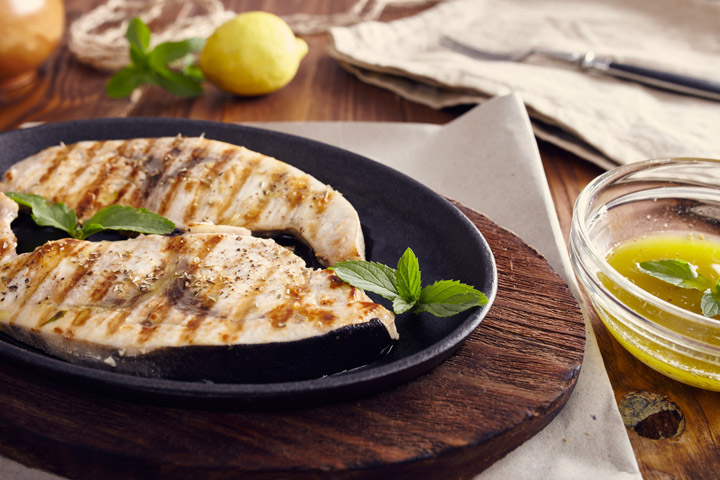
The rest of us might not be blessed with close proximity to such fine goods, but we can take bits of this style with us wherever we are, perhaps with a salad of local greens from the farmers' market served with mail-ordered goat cheese from Cowgirl Creamery or wild caught swordfish marinated in lemon juice and California olive oil with herbs from our own kitchen garden. If that plot of land is the herb pot in your kitchen window, the lettuce from the farmer’s market, or a cheese from a small producer in California, we can all take a page out of the San Francisco book and bring a bit of plot to the plate.
©2026 CDKitchen, Inc. No reproduction or distribution of any portion of this article is allowed without express permission from CDKitchen, Inc.
To share this article with others, you may link to this page:
https://www.cdkitchen.com/cooking-experts/amy-powell/1062-plot-to-the-plate/
Cooking From the Plot to the Plate

Greetings from San Francisco, land of plot-to-plate cooking. More commonly referred to as “farm to table” cooking, this movement of sourcing locally produced food was born of this city and to this day remains the proudest export of its culinary scene. Like any prideful city, there are those residents who take this notion of local cooking to, let’s say, an extreme. But for those of us in other parts of the country without a vibrant local farming and artisanal food producing scene, there is much we can take away from San Francisco, even if it’s just smuggling cheese and olive oil home in our suitcase.
To find the embryonic beginnings of the plot-to-plate movement, one must actually leave San Francisco and cross the Bay Bridge travelling to the East Bay city of Berkeley. There, in what was once an old apartment building, now stands the grandmother of all restaurants that herald fresh, locally sourced ingredients: Chez Panisse. Founded in 1971 by still-owner Alice Waters, the restaurant was one of the first to champion local producers.
During the early years, Alice Waters and her chef Jeremiah Tower (two people who, along with Wolfgang Puck, are credited with creating California cuisine), were radical for buying baby greens from local farmers at a time when most Americans, including grocers, had not even heard of the term “mesclun greens.” Goat cheese from a nearby artisan cheese producer was coated in fresh bread crumbs, baked, and served with baby lettuces for what is now a ubiquitous restaurant item, goat cheese salad. With that famous salad, and many other recipes derived from close relationships with local farmers and producers, began a movement that quickly spread through the city.
It takes no more than a quick glance through the San Francisco Chronicle’s Top 100 Restaurant List or a walk through the gourmet’s paradise known as the Ferry Building to recognize the progeny of Chez Panisse. Judi Rodgers, a Chez Panisse alum, went on to open the restaurant Zuni Café, a restaurant consistently rated among the top in the city and known for its near-perfect organic roast chicken with panzanella salad among other local ingredient driven recipes.
On the water at the historic Fort Mason sits the restaurant Greens, founded by alum Deborah Madison who also has made a name for herself writing cookbooks about the restaurant’s namesake: vegetables. A stroll down the aisles of the Ferry Building will reveal Acme Bread Company’s shop and Cowgirl Creamery’s cheese store, both artisan producers who put in their time on the line in Chez Panisse.
A chef or artisan food producer need not have donned a chef’s coat in the kitchen of Chez Panisse to see the influence localism has had on the fine food men and women of this city. Restaurants I have eaten at this week, such as Foreign Cinema in the Mission, for over a decade now have been boasting daily changing menus of fresh seasonal ingredients with recipes like soft shell crab over warm baby spinach salad. At Marlowe, a hot new restaurant in SOMA, recipes like fried Brussels sprouts leaves tossed in sea salt and lemon juice or a salad of baby gem lettuces with paper thin sliced carrots, radishes, and golden beets are deceptively simple, made of local seasonal produce yet executed to perfection.
Coming back up the coast last weekend from a weekend trip to Carmel, I made a stop at one of several roadside produce stands dotting this agricultural stretch of Highway 1. Loading up my basket with artichokes, Brussels sprouts, late season fava beans, herbs, garlic and strawberries, it was easy to see how restaurant chefs in this city are so inspired by their surroundings. Still caked with dirt, it was easy to imagine that the vegetables I was taking home had been picked special for me just that morning.
The California Bay Area is a special place and the chefs who work here and home cooks who live here are lucky to have such an abundance of produce and artisanal goods to choose from. The reality is not much of the country is blessed with the weather of the Golden State, which allows one to eat this way year-round, fresh from the plot, direct to the plate. But lucky for us, farmers' markets continue to pop up all over the country, bringing local artisans in touch with their communities.
From a small sustainable farm to the restaurant kitchen or to home cooks' tables, culinary localism is always the preferred way of eating if one wishes to eat sustainably. Thanks to the bounty of Northern California and intrepid restaurateurs like Alice Waters, this way of cooking has become a way of life for the city of San Francisco.
The rest of us might not be blessed with close proximity to such fine goods, but we can take bits of this style with us wherever we are, perhaps with a salad of local greens from the farmers' market served with mail-ordered goat cheese from Cowgirl Creamery or wild caught swordfish marinated in lemon juice and California olive oil with herbs from our own kitchen garden. If that plot of land is the herb pot in your kitchen window, the lettuce from the farmer’s market, or a cheese from a small producer in California, we can all take a page out of the San Francisco book and bring a bit of plot to the plate.
Grilled Swordfish with Lemon Juice, Olive Oil and Herbs

Made with salt, black pepper, tarragon, basil, chives, or parsley, swordfish, lemons, lemon, olive oil
Made with salt, black pepper, tarragon, basil, chives, or parsley, swordfish, lemons, lemon, olive oil
Serves/Makes: 4
- 2 pounds swordfish
- 2 lemons, juiced
- lemon wedges, for garnish
- 1/3 cup olive oil, plus extra for drizzling
- 1/4 cup chopped herbs such as tarragon, basil, chives, or parsley, plus extra for garnish
- black pepper
- salt
Pat fish dry and lay out in a shallow dish. Cover fish with the lemon juice, olive oil, chopped herbs, and a several generous cracks of black pepper. Turn fillets over a few times to even coat. Leave fish out at room temperature for 10-15 minutes.
Meanwhile, preheat a grill over medium high heat. When coals are ready finish fish by seasoning on both sides with salt. Place fish on direct heat for about four minutes per side depending on the thickness of the fillets. When fish is cooked through and flaky, remove from heat to a platter.
Garnish with additional lemon wedges, a drizzle of olive oil, and additional chopped herbs if desired.
share this article:


related articles


Write a comment:
©2026 CDKitchen, Inc. No reproduction or distribution of any portion of this article is allowed without express permission from CDKitchen, Inc.
To share this article with others, you may link to this page:
https://www.cdkitchen.com/cooking-experts/amy-powell/1062-plot-to-the-plate/