

cdkitchen > cooking experts > pamela chester

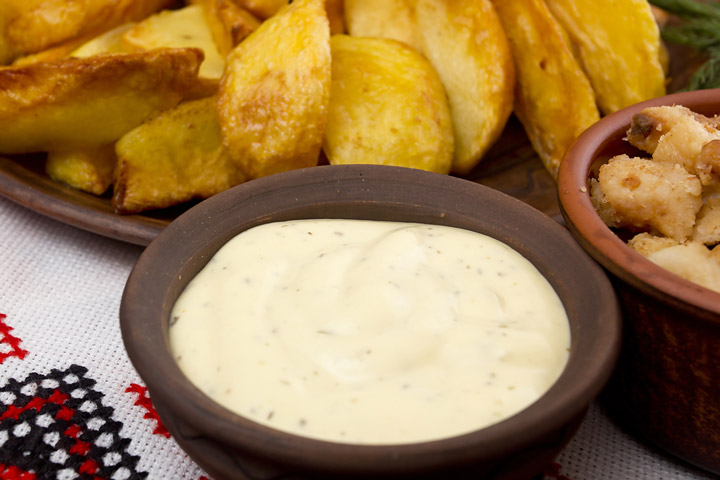
When you look on the inside of your fridge doors, do you see a lineup of all the familiar condiments, ready to adorn your next sandwich, burger, hot dog, or salad? Next time you reach for those tired old jars, consider taking some time to make some of your own homemade condiments. It’ll shake up your routine and jazz up your next summertime meal.
Let’s start with homemade mayonnaise. If you’ve had the thrill of tasting just-made mayo before then you know it can be life affirming. It starts with a base of fresh eggs yolks that are emulsified with oil, and then seasoned with salt and pepper, and lightened with a little lemon juice.
The trick is to add the oil in a very, very slow fashion, at first drop by drop, and then in a thin, steady stream once you have created the initial emulsion. To make a foolproof mayo, use the culinary school trick of adding a teaspoon of water to the egg yolk before ever so slowly whisking in the oil. The beauty in making mayonnaise yourself is that you can vary the oil and seasonings to match it exactly to your taste.
For a traditional mild mayonnaise, use canola or safflower oil and a tiny pinch of dry mustard. For a more Mediterranean one, use extra virgin olive oil in place of some of the more neutral oil. For a trendy note, you can add chopped bacon, citrus zest, or a dash of sriracha hot sauce, or try using a nut oil such as walnut or almond. Or add garlic for a zingy aioli. Add in crushed nuts or chopped fresh herbs. The options are endless.
You can use a stick blender, food processor, or stand mixer with a whisk attachment. Or if you want to go unplugged you can use a good old-fashioned whisk and lots of elbow grease. Homemade mayonnaise can be left at room temperature for 1-2 hours and kept in the refrigerator for up to a week.
Your own mayo is perfect for lightly binding summer’s homemade pasta, potato, chicken or tuna salads. Flavored mayonnaise also goes so well with grilled veggies, chicken, or fish. It really is the perfect summer condiment. And it makes up half of the ingredients in special sauce – a mix of one part mayonnaise and one part ketchup – perfect to slather on a burger bun or dip French fries.
Speaking of which, homemade ketchup can be just as much as a delight. It’s the perfect way to use some of a bumper crop of homegrown tomatoes or use canned crushed tomatoes. Plus when making your personally created ketchup you can avoid added sugars and corn syrup.
Lastly you can make homemade mustard using a variety of different mustard seeds and grinding them with vinegar. There are so many ways to customize your own mustard, including the additions of garlic, chilies, or horseradish.
For the condiments really do make a meal sometimes. So look past the sea of store-bought condiments in your fridge and open your eyes to a whole new world of wonderful, hand crafted mayonnaise, ketchup, and mustard!
©2026 CDKitchen, Inc. No reproduction or distribution of any portion of this article is allowed without express permission from CDKitchen, Inc.
To share this article with others, you may link to this page:
https://www.cdkitchen.com/cooking-experts/pamela-chester/1279-homemade-condiments/
Pardon Me, Could You Please Pass The Homemade Condiments?

When you look on the inside of your fridge doors, do you see a lineup of all the familiar condiments, ready to adorn your next sandwich, burger, hot dog, or salad? Next time you reach for those tired old jars, consider taking some time to make some of your own homemade condiments. It’ll shake up your routine and jazz up your next summertime meal.
Let’s start with homemade mayonnaise. If you’ve had the thrill of tasting just-made mayo before then you know it can be life affirming. It starts with a base of fresh eggs yolks that are emulsified with oil, and then seasoned with salt and pepper, and lightened with a little lemon juice.
The trick is to add the oil in a very, very slow fashion, at first drop by drop, and then in a thin, steady stream once you have created the initial emulsion. To make a foolproof mayo, use the culinary school trick of adding a teaspoon of water to the egg yolk before ever so slowly whisking in the oil. The beauty in making mayonnaise yourself is that you can vary the oil and seasonings to match it exactly to your taste.
For a traditional mild mayonnaise, use canola or safflower oil and a tiny pinch of dry mustard. For a more Mediterranean one, use extra virgin olive oil in place of some of the more neutral oil. For a trendy note, you can add chopped bacon, citrus zest, or a dash of sriracha hot sauce, or try using a nut oil such as walnut or almond. Or add garlic for a zingy aioli. Add in crushed nuts or chopped fresh herbs. The options are endless.
You can use a stick blender, food processor, or stand mixer with a whisk attachment. Or if you want to go unplugged you can use a good old-fashioned whisk and lots of elbow grease. Homemade mayonnaise can be left at room temperature for 1-2 hours and kept in the refrigerator for up to a week.
Your own mayo is perfect for lightly binding summer’s homemade pasta, potato, chicken or tuna salads. Flavored mayonnaise also goes so well with grilled veggies, chicken, or fish. It really is the perfect summer condiment. And it makes up half of the ingredients in special sauce – a mix of one part mayonnaise and one part ketchup – perfect to slather on a burger bun or dip French fries.
Speaking of which, homemade ketchup can be just as much as a delight. It’s the perfect way to use some of a bumper crop of homegrown tomatoes or use canned crushed tomatoes. Plus when making your personally created ketchup you can avoid added sugars and corn syrup.
Lastly you can make homemade mustard using a variety of different mustard seeds and grinding them with vinegar. There are so many ways to customize your own mustard, including the additions of garlic, chilies, or horseradish.
For the condiments really do make a meal sometimes. So look past the sea of store-bought condiments in your fridge and open your eyes to a whole new world of wonderful, hand crafted mayonnaise, ketchup, and mustard!
Garlic Mayonnaise

Made with fresh herbs, garlic, egg yolk, dry mustard, kosher salt, water, olive oil, lemon juice, white pepper
Made with fresh herbs, garlic, egg yolk, dry mustard, kosher salt, water, olive oil, lemon juice, white pepper
Serves/Makes: 1 cup
- 1 1/2 tablespoon minced garlic
- 1 large pasteurized egg yolk, at room temperature
- 1/2 teaspoon dry mustard
- 1/2 teaspoon kosher salt
- 1 teaspoon cold water
- 1 cup fruity olive oil, or a combination of olive oil and canola oil
- 1 1/2 tablespoon lemon juice
- 1/4 teaspoon ground white pepper
- chopped fresh herbs, if desired
Combine the garlic, egg yolk, mustard, salt, and water in a bowl. Whisk well until completely mixed.
While whisking, add the oil in a very slow stream. Whisk constantly until the mixture thickens and emulsifies.
Whisk in the lemon juice, white pepper, and fresh herbs (if using).
Season to taste with additional salt if necessary.
Place the mayonnaise in the refrigerator in an airtight container and chill until ready to use. Can be stored for up to one week.
share this article:


related articles


Write a comment:
©2026 CDKitchen, Inc. No reproduction or distribution of any portion of this article is allowed without express permission from CDKitchen, Inc.
To share this article with others, you may link to this page:
https://www.cdkitchen.com/cooking-experts/pamela-chester/1279-homemade-condiments/