

cdkitchen > cooking experts > victoria wesseler

If you’ve bought prunes lately, you may have noticed an interesting thing. They are undergoing a name change. Many packages bear both the words “prunes” and "dried plums.” This image upgrade has been in the works since mid-2000 when, at the request of the California Dried Plum Board (www.CaliforniaDriedPlums.org), the FDA approved the use of the term “dried plums” as an alternative name for prunes.
The fruit’s name change was initiated in response to research which showed that the industry’s targeted consumers (women in their 30s and 40s) held the belief that prunes were a food item for older folks but, the survey respondents indicated that if prunes were marketed as dried plums it would increase their likelihood of purchasing and eating them. In fact, 70% of those surveyed preferred the term dried plum as an alternative to prune. The industry listened and initiated a strategy to reposition the much maligned prune with a name change and marketing campaign aimed at creating a more positive buzz about the fruit to attract a younger consumer base.
It was only in the United States that the name change and image campaign was needed. Sadly, in our country, prunes have never enjoyed the popularity of other dried fruits such as raisins (which oddly enough are not called dried grapes), currants, dried cherries, and dried cranberries. How the prune earned their less than attractive reputation in our country is the subject of some debate. Jokes about their, shall we say, “effectiveness in our digestive system” abound. And while calling someone the apple of your eye is an endearment, calling him/her prune face will not elicit same warm fuzzy feeling.
On the other side of the pond, the prune enjoys a much more favorable culinary status and is used frequently in French, Italian, Scandinavian, German, and Middle Eastern cooking. Prunes soaked in Armagnac, Italian Prune Nut Bread, and Moroccan Chicken and Prune Tagine are all popular culinary delights in countries where no one grimaces or giggles when prunes are mentioned.
Dried plums have come a long way in the past few years. You can now purchase them with or without the pits, bite sized, dipped in dark chocolate, enhanced with lemon, orange, or cherry essence, individually wrapped, and in snack packs. Five pitted dried plums have 100 calories and are nutritionally dense with a hefty amount of vitamin A, potassium, and fiber. And besides being good and good for you, they are now conveniently portable. The snack packs and individually wrapped ones are easy to slip into a handbag, backpack, or lunch box.
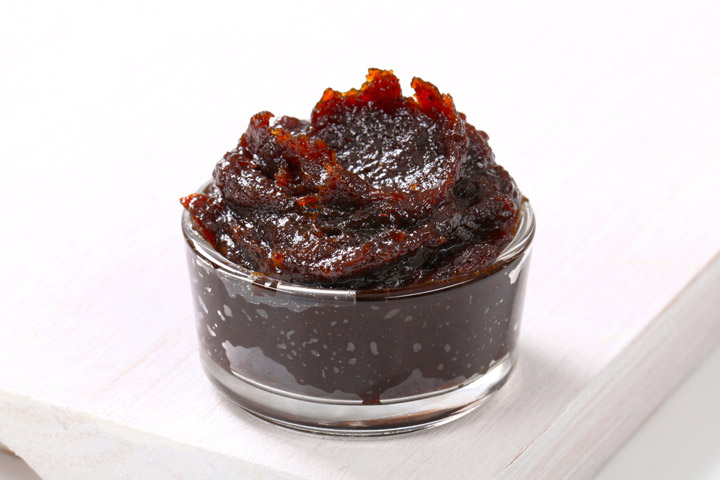
But the dried plum is more than a snack food; researchers at Texas A&M University are currently investigating using dried plums as a meat preservative and flavor enhancer in sausages and hot dogs. And dried plum puree can be used in place of butter, oil, or margarine in some baked goods. It is most effective, according to the Oregon State University (OSU) Extension Service, in chocolate-flavored baked products such as brownies and in moist, dense cakes such as carrot cake. You can buy commercial dried plum puree (which also contains pureed apples) or you can easily make your own. I have had great success using the puree in place of the oil called for in store bought brownie mixes. And, just in case you’re wondering, use of the dried plum puree has never caused anyone eating these brownies to sprint from the dining room table to the restroom!
Certainly the effort, which began nearly 7 years ago, to reposition the prune in the mind of the American consumer, was Herculean in terms of time and money. Did the strategy work? Rich Peterson, Executive Director, California Dried Plum Board, told me that it has. He says the term “dried plum” is much more acceptable to consumers and has positioned the fruit more favorably in their minds. Apparently, as with so many other things in the United States, image is everything. And to prove that point, Rich shared an interesting story with me.
In the initial survey a majority of the respondents didn’t know that a prune was a dried plum. When the prune’s extreme image makeover began, there was a bit of skepticism voiced by some members of the media and a Houston television station’s news crew set out to poke holes in the name change effort claiming that no one would be swayed by the different terms. They set up a tasting station with two bowls of the fruit. One bowl was marked Prunes. The other was marked Dried Plums. An overwhelming percentage (90%) of those asked to participate in the taste test preferred the dried plums noting that they were tastier and far superior to the prunes in the other bowl. Proving that a dried plum by any other name just isn’t as sweet!
©2026 CDKitchen, Inc. No reproduction or distribution of any portion of this article is allowed without express permission from CDKitchen, Inc.
To share this article with others, you may link to this page:
https://www.cdkitchen.com/cooking-experts/victoria-wesseler/465-prunes-dried-plums/
A Prune In Plum's Clothing
If you’ve bought prunes lately, you may have noticed an interesting thing. They are undergoing a name change. Many packages bear both the words “prunes” and "dried plums.” This image upgrade has been in the works since mid-2000 when, at the request of the California Dried Plum Board (www.CaliforniaDriedPlums.org), the FDA approved the use of the term “dried plums” as an alternative name for prunes.
The fruit’s name change was initiated in response to research which showed that the industry’s targeted consumers (women in their 30s and 40s) held the belief that prunes were a food item for older folks but, the survey respondents indicated that if prunes were marketed as dried plums it would increase their likelihood of purchasing and eating them. In fact, 70% of those surveyed preferred the term dried plum as an alternative to prune. The industry listened and initiated a strategy to reposition the much maligned prune with a name change and marketing campaign aimed at creating a more positive buzz about the fruit to attract a younger consumer base.
It was only in the United States that the name change and image campaign was needed. Sadly, in our country, prunes have never enjoyed the popularity of other dried fruits such as raisins (which oddly enough are not called dried grapes), currants, dried cherries, and dried cranberries. How the prune earned their less than attractive reputation in our country is the subject of some debate. Jokes about their, shall we say, “effectiveness in our digestive system” abound. And while calling someone the apple of your eye is an endearment, calling him/her prune face will not elicit same warm fuzzy feeling.
On the other side of the pond, the prune enjoys a much more favorable culinary status and is used frequently in French, Italian, Scandinavian, German, and Middle Eastern cooking. Prunes soaked in Armagnac, Italian Prune Nut Bread, and Moroccan Chicken and Prune Tagine are all popular culinary delights in countries where no one grimaces or giggles when prunes are mentioned.
Dried plums have come a long way in the past few years. You can now purchase them with or without the pits, bite sized, dipped in dark chocolate, enhanced with lemon, orange, or cherry essence, individually wrapped, and in snack packs. Five pitted dried plums have 100 calories and are nutritionally dense with a hefty amount of vitamin A, potassium, and fiber. And besides being good and good for you, they are now conveniently portable. The snack packs and individually wrapped ones are easy to slip into a handbag, backpack, or lunch box.
But the dried plum is more than a snack food; researchers at Texas A&M University are currently investigating using dried plums as a meat preservative and flavor enhancer in sausages and hot dogs. And dried plum puree can be used in place of butter, oil, or margarine in some baked goods. It is most effective, according to the Oregon State University (OSU) Extension Service, in chocolate-flavored baked products such as brownies and in moist, dense cakes such as carrot cake. You can buy commercial dried plum puree (which also contains pureed apples) or you can easily make your own. I have had great success using the puree in place of the oil called for in store bought brownie mixes. And, just in case you’re wondering, use of the dried plum puree has never caused anyone eating these brownies to sprint from the dining room table to the restroom!
Certainly the effort, which began nearly 7 years ago, to reposition the prune in the mind of the American consumer, was Herculean in terms of time and money. Did the strategy work? Rich Peterson, Executive Director, California Dried Plum Board, told me that it has. He says the term “dried plum” is much more acceptable to consumers and has positioned the fruit more favorably in their minds. Apparently, as with so many other things in the United States, image is everything. And to prove that point, Rich shared an interesting story with me.
In the initial survey a majority of the respondents didn’t know that a prune was a dried plum. When the prune’s extreme image makeover began, there was a bit of skepticism voiced by some members of the media and a Houston television station’s news crew set out to poke holes in the name change effort claiming that no one would be swayed by the different terms. They set up a tasting station with two bowls of the fruit. One bowl was marked Prunes. The other was marked Dried Plums. An overwhelming percentage (90%) of those asked to participate in the taste test preferred the dried plums noting that they were tastier and far superior to the prunes in the other bowl. Proving that a dried plum by any other name just isn’t as sweet!
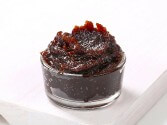

Serves/Makes: 1 cup
- 9 ounces pitted dried plums (prunes)
- 1/2 cup hot water
Place the dried plums and hot water in a food processor and process until smooth.
Cook's Notes: The puree is best used as a fat/oil substitute in chocolate baked goods such as brownies and dense, moist cakes such as carrot cake.
To use it, omit the fat/oil called for in the recipe and replace it with half as much puree. So, if your recipe calls for a cup of oil, omit the oil and replace it with half a cup of your homemade dried plum puree.
The dried plum will keep in the refrigerator in a covered glass container for about 2 months.
share this article:


related articles




Write a comment:
©2026 CDKitchen, Inc. No reproduction or distribution of any portion of this article is allowed without express permission from CDKitchen, Inc.
To share this article with others, you may link to this page:
https://www.cdkitchen.com/cooking-experts/victoria-wesseler/465-prunes-dried-plums/