

cdkitchen > cooking experts > victoria wesseler

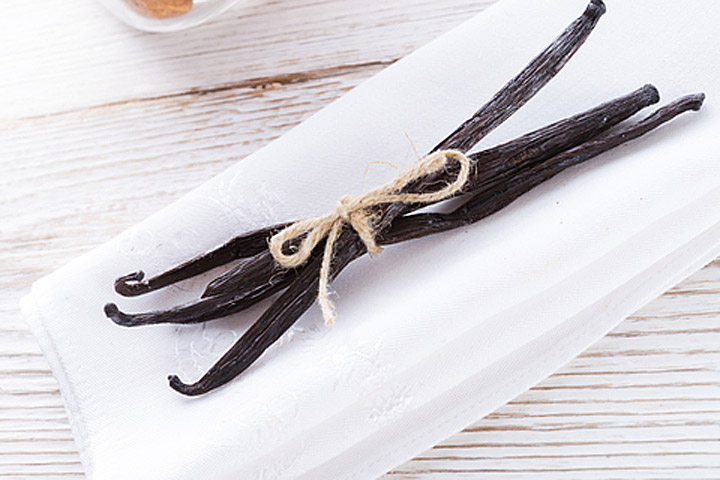
Once so expensive that it was reserved solely for royalty, vanilla is the most widely used flavoring in baked goods and other dessert items. It is the second most expensive spice in the world, next to saffron. About 80% of all vanilla comes from the islands of Madagascar, Comoros, and Reunion in the Indian Ocean. The rest mainly comes from Mexico, Indonesia, and Tahiti. My guess is that nearly everyone one of us has a bottle of this indispensable flavoring in our pantry right now and can’t imagine making a baked good or sweet treat without it.
Vanilla can be purchased as a liquid (extract), paste, powder, whole pod, or ground pod. The most common vanilla product is vanilla extract which is made by steeping the beans in a mixture of water and alcohol for several months. The FDA requires that pure vanilla extract contain 13.35 ounces of vanilla pods and at least 35% alcohol per gallon of liquid. And therein lies the challenge to home bakers and cooks who are preparing foods for individuals who cannot or chose not to consume even trace amounts of alcohol.
There are products that are advertised as substitutes for alcohol based vanilla extract. Some contain trace amounts of alcohol and others have no alcohol at all. Understanding how they are made and what, if any, amount of alcohol they contain is important in helping you choose which product will work best for your needs. Let’s take a look at them.
Vanilla Flavoring is derived from vanilla beans but unlike vanilla extract, it has very little alcohol in the final product. Craig Nielsen, CEO of world renowned vanilla producers Nielsen-Massey Vanillas, Inc. (www.nielsenmassey.com) says that vanilla flavoring initially starts out with the vanilla essence being extracted using alcohol in the process which, in the final manufacturing stages, is replaced with either a glycerin or polypropylene glycol base (both FDA approved food additives). However, there is no current data regarding whether or not all of the alcohol is extracted in the final substitution process. It is assumed that trace amounts of alcohol remain in the final product. There is also a vanilla flavor which contains about 17-18% alcohol, so be sure to read the labels carefully.
Vanilla Paste is a concentrated vanilla which contains the tiny vanilla seeds. Again, this process begins, according to Craig Nielsen; with an alcohol extraction so trace amounts of alcohol will remain in the final product.
Vanilla Powder is a fine off-white colored powder made of sucrose or dextrose (both sugars) laced with vanilla. The powder may contain trace amounts of alcohol that is used in the manufacturing process.
Whole Vanilla Beans contain no alcohol and are good to use when adding vanilla flavor to cake batters and hot liquids such as ice cream bases or when making simple syrups. Just split the bean with a sharp paring knife, scrape the knife along the cut side of the pod to release the flavorful seeds and add them to the batter. Discard the pod or use it to make vanilla sugar (we’ll get to that in a minute).
You can add the seeds and the pod to a simmering liquid. If you are using the bean and pod in a hot liquid, strain the liquid through a fine sieve and discard the pod before proceeding with using the now vanilla-flavored and scented liquid in your recipe.
Ground Vanilla Beans contain no alcohol and no alcohol is used in the process of grinding the beans. They are simply vanilla beans that are finely ground and packaged for use.
Vanilla Sugar is granulated white sugar that is flavored with vanilla. There is no alcohol in vanilla sugar and none is used in the process of making it. For baking and cooking just replace it in a 1:1 ratio for the sugar in your recipes and you’ll get vanilla flavor and scent in your final dish without adding any artificial ingredients or alcohol.
Although I usually use pure vanilla extract in my baking and cooking, I keep 2-3 quart jars of vanilla sugar in my pantry for times when I don’t want alcohol in my final dish or product. Vanilla sugar is also very versatile and delicious when used in place of regular sugar in teas and coffees. It can also be substituted for regular sugar when making jams and jellies; and is especially tasty when sprinkled on hot or cold cereals, sliced fresh strawberries, or fresh peaches.
Pure Maple Syrup can be used as a substitute for vanilla in your recipes. It contains no alcohol.
So, whether you choose to use an alcohol or non-alcohol based vanilla product or substitute, you have lots of options when it comes to your baking and cooking. For product substitution ratios, read the package or visit the manufacturer’s website.
©2026 CDKitchen, Inc. No reproduction or distribution of any portion of this article is allowed without express permission from CDKitchen, Inc.
To share this article with others, you may link to this page:
https://www.cdkitchen.com/cooking-experts/victoria-wesseler/432-plain-vanilla/
(Not Just) Plain Vanilla
Once so expensive that it was reserved solely for royalty, vanilla is the most widely used flavoring in baked goods and other dessert items. It is the second most expensive spice in the world, next to saffron. About 80% of all vanilla comes from the islands of Madagascar, Comoros, and Reunion in the Indian Ocean. The rest mainly comes from Mexico, Indonesia, and Tahiti. My guess is that nearly everyone one of us has a bottle of this indispensable flavoring in our pantry right now and can’t imagine making a baked good or sweet treat without it.
Vanilla can be purchased as a liquid (extract), paste, powder, whole pod, or ground pod. The most common vanilla product is vanilla extract which is made by steeping the beans in a mixture of water and alcohol for several months. The FDA requires that pure vanilla extract contain 13.35 ounces of vanilla pods and at least 35% alcohol per gallon of liquid. And therein lies the challenge to home bakers and cooks who are preparing foods for individuals who cannot or chose not to consume even trace amounts of alcohol.
There are products that are advertised as substitutes for alcohol based vanilla extract. Some contain trace amounts of alcohol and others have no alcohol at all. Understanding how they are made and what, if any, amount of alcohol they contain is important in helping you choose which product will work best for your needs. Let’s take a look at them.
Vanilla Flavoring is derived from vanilla beans but unlike vanilla extract, it has very little alcohol in the final product. Craig Nielsen, CEO of world renowned vanilla producers Nielsen-Massey Vanillas, Inc. (www.nielsenmassey.com) says that vanilla flavoring initially starts out with the vanilla essence being extracted using alcohol in the process which, in the final manufacturing stages, is replaced with either a glycerin or polypropylene glycol base (both FDA approved food additives). However, there is no current data regarding whether or not all of the alcohol is extracted in the final substitution process. It is assumed that trace amounts of alcohol remain in the final product. There is also a vanilla flavor which contains about 17-18% alcohol, so be sure to read the labels carefully.
Vanilla Paste is a concentrated vanilla which contains the tiny vanilla seeds. Again, this process begins, according to Craig Nielsen; with an alcohol extraction so trace amounts of alcohol will remain in the final product.
Vanilla Powder is a fine off-white colored powder made of sucrose or dextrose (both sugars) laced with vanilla. The powder may contain trace amounts of alcohol that is used in the manufacturing process.
Whole Vanilla Beans contain no alcohol and are good to use when adding vanilla flavor to cake batters and hot liquids such as ice cream bases or when making simple syrups. Just split the bean with a sharp paring knife, scrape the knife along the cut side of the pod to release the flavorful seeds and add them to the batter. Discard the pod or use it to make vanilla sugar (we’ll get to that in a minute).
You can add the seeds and the pod to a simmering liquid. If you are using the bean and pod in a hot liquid, strain the liquid through a fine sieve and discard the pod before proceeding with using the now vanilla-flavored and scented liquid in your recipe.
Ground Vanilla Beans contain no alcohol and no alcohol is used in the process of grinding the beans. They are simply vanilla beans that are finely ground and packaged for use.
Vanilla Sugar is granulated white sugar that is flavored with vanilla. There is no alcohol in vanilla sugar and none is used in the process of making it. For baking and cooking just replace it in a 1:1 ratio for the sugar in your recipes and you’ll get vanilla flavor and scent in your final dish without adding any artificial ingredients or alcohol.
Although I usually use pure vanilla extract in my baking and cooking, I keep 2-3 quart jars of vanilla sugar in my pantry for times when I don’t want alcohol in my final dish or product. Vanilla sugar is also very versatile and delicious when used in place of regular sugar in teas and coffees. It can also be substituted for regular sugar when making jams and jellies; and is especially tasty when sprinkled on hot or cold cereals, sliced fresh strawberries, or fresh peaches.
Pure Maple Syrup can be used as a substitute for vanilla in your recipes. It contains no alcohol.
So, whether you choose to use an alcohol or non-alcohol based vanilla product or substitute, you have lots of options when it comes to your baking and cooking. For product substitution ratios, read the package or visit the manufacturer’s website.


Serves/Makes: 4 cups
- 4 cups superfine granulated white sugar
- 1 vanilla bean, cut into 2-3 pieces
Pour half the sugar into a one quart glass jar.
Place the vanilla bean pieces in the jar and cover with the remaining sugar.
Place the lid on the jar and store the jar in your pantry or cupboard for 4 weeks.
share this article:


related articles


Write a comment:
©2026 CDKitchen, Inc. No reproduction or distribution of any portion of this article is allowed without express permission from CDKitchen, Inc.
To share this article with others, you may link to this page:
https://www.cdkitchen.com/cooking-experts/victoria-wesseler/432-plain-vanilla/