

cdkitchen > cooking experts > rebecca michaels

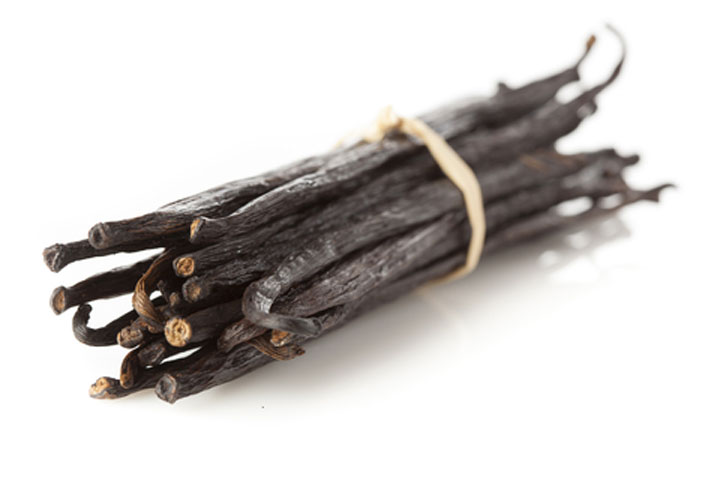
Ahhh, vanilla. My absolute favorite. I love anything vanilla flavored, scented or otherwise. I even wear vanilla perfume. I'm addicted to the stuff, I admit. It's got a soft, yet complex, not too-sweet quality that is both intriguing and familiar. It is the Flavor of the Year in my book.
Vanilla beans are actually members of the orchid family. They come from several major sources throughout the world, but the biggest ones are Mexico, Madagascar and Tahiti. Bourbon vanilla, in fact, doesn't contain bourbon at all; the term refers to any vanilla grown on the Isle of Bourbon (now known as Reunion) in the Indian Ocean.
The vanilla orchid vine originated in the jungles of Central America. Vanilla was first brought to Europe by the Spaniards in the early 17th Century. The Spanish made a drink using both the cocoa and vanilla beans they had found during their New World conquests. A precursor to our hot chocolate of today, it was a very expensive drink that only the wealthy could afford. Hugh Morgan, apothecary to Queen Elizabeth I, revolutionized the culinary industry by using vanilla as a flavoring all its own. Hurrah for Hugh, you genius you!
Each variety of vanilla has a distinct flavor and scent of its own, but personally, I think you can only tell the differences when you compare them side by side, bean by bean. Any variety of pure vanilla you can afford will work nicely in your recipes. For the sole sake of knowledge, however, here's the breakdown.
Seventy percent of the world's vanilla crop comes from Madagascar and Reunion; these vanillas are known to be rich and smooth--the 'luxury vanilla,' if you will. Mexican vanilla is considered spicy, strong and sweet. Tahitian vanilla is not as flavorful as the other two, but it is very aromatic and complements fruit desserts well.
Back when I was first starting Flying Monkey, I decided to make holiday gifts for friends and family that shipped well and were, well, easy and quick to prepare. Four months later, I had several bottles of heavenly scented homemade vanilla extract. My recipients were delighted with their gift; it was something that they could use throughout the year and think of me when they baked. The Psychology of Marketing 101!
If you're really interested in vanilla, do some research with your nose and explore the subtle differences in flavor for yourself. What a wonderful way to spend an afternoon: sniffing vanilla beans and then baking something with your favorite. Give vanilla its due and take the time to appreciate it. Vanilla's gotten a, well, 'vanilla flavored' rap over the years. Always a second-class citizen to chocolate, vanilla as a flavor of its own has never been considered as special as its cocoa cousin. I beg to differ. Vanilla is all about the subtlety. It can be a very sophisticated flavor when you use its complexity to your advantage. Let it shine in creme brulee or sugar cookies! Bon appetit!
©2026 CDKitchen, Inc. No reproduction or distribution of any portion of this article is allowed without express permission from CDKitchen, Inc.
To share this article with others, you may link to this page:
https://www.cdkitchen.com/cooking-experts/rebecca-michaels/172-vanilla/
Vanilla: The Most Underrated Flavor
Ahhh, vanilla. My absolute favorite. I love anything vanilla flavored, scented or otherwise. I even wear vanilla perfume. I'm addicted to the stuff, I admit. It's got a soft, yet complex, not too-sweet quality that is both intriguing and familiar. It is the Flavor of the Year in my book.
Vanilla beans are actually members of the orchid family. They come from several major sources throughout the world, but the biggest ones are Mexico, Madagascar and Tahiti. Bourbon vanilla, in fact, doesn't contain bourbon at all; the term refers to any vanilla grown on the Isle of Bourbon (now known as Reunion) in the Indian Ocean.
The vanilla orchid vine originated in the jungles of Central America. Vanilla was first brought to Europe by the Spaniards in the early 17th Century. The Spanish made a drink using both the cocoa and vanilla beans they had found during their New World conquests. A precursor to our hot chocolate of today, it was a very expensive drink that only the wealthy could afford. Hugh Morgan, apothecary to Queen Elizabeth I, revolutionized the culinary industry by using vanilla as a flavoring all its own. Hurrah for Hugh, you genius you!
Each variety of vanilla has a distinct flavor and scent of its own, but personally, I think you can only tell the differences when you compare them side by side, bean by bean. Any variety of pure vanilla you can afford will work nicely in your recipes. For the sole sake of knowledge, however, here's the breakdown.
Seventy percent of the world's vanilla crop comes from Madagascar and Reunion; these vanillas are known to be rich and smooth--the 'luxury vanilla,' if you will. Mexican vanilla is considered spicy, strong and sweet. Tahitian vanilla is not as flavorful as the other two, but it is very aromatic and complements fruit desserts well.
Back when I was first starting Flying Monkey, I decided to make holiday gifts for friends and family that shipped well and were, well, easy and quick to prepare. Four months later, I had several bottles of heavenly scented homemade vanilla extract. My recipients were delighted with their gift; it was something that they could use throughout the year and think of me when they baked. The Psychology of Marketing 101!
If you're really interested in vanilla, do some research with your nose and explore the subtle differences in flavor for yourself. What a wonderful way to spend an afternoon: sniffing vanilla beans and then baking something with your favorite. Give vanilla its due and take the time to appreciate it. Vanilla's gotten a, well, 'vanilla flavored' rap over the years. Always a second-class citizen to chocolate, vanilla as a flavor of its own has never been considered as special as its cocoa cousin. I beg to differ. Vanilla is all about the subtlety. It can be a very sophisticated flavor when you use its complexity to your advantage. Let it shine in creme brulee or sugar cookies! Bon appetit!
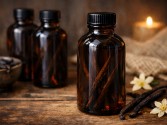

Serves/Makes: 1 liter
- 1 liter inexpensive vodka
- 4 vanilla beans
Split beans lengthwise and drop into vodka. Close cap tightly and let sit in a dark, cool place for 3-4 months. Pour into dark glass bottles and add a cute homemade label to each bottle. Give as gifts and wait for the "ohhhs and ahhhhs".
share this article:


related articles




Write a comment:
©2026 CDKitchen, Inc. No reproduction or distribution of any portion of this article is allowed without express permission from CDKitchen, Inc.
To share this article with others, you may link to this page:
https://www.cdkitchen.com/cooking-experts/rebecca-michaels/172-vanilla/