

cdkitchen > cooking experts > pamela chester

As parents, we are always trying new tricks to get our kids to eat healthy foods. That strict and structured routine many of us grew up with (I, for one, had to clean my plate before leaving the table, and was never allowed to play with food) has gone out in favor of a more casual approach that makes eating more fun. I have read in several books that letting your young ones explore and get messy with a new food will help them to accept it into their repertoire. Finger paint with cottage cheese or pudding? Why not! Make a stack of cereal O’s and slowly count them together as they are eaten? Of course!
One of the most memorable books as a kid was Cloudy with a Chance of Meatballs, where all the foods stood for something else. My favorite was the scene at the end of the book – there was a mashed potato mountain with a pat of butter that stood for a sunrise. I always wanted to eat a heaping bowl of mashed potatoes after reading that book.
There is something about the symbolic use of food that makes it more appealing to kids to eat it. Out of sheer desperation one night, I tried to tell my son that his broccoli were trees, and guess what? It worked and he ate them! (next up: cauliflower trees!) We also have been into counting lately, and counting each pea or lima bean works like a charm to get the little guy to hurry up and eat them. It takes a little more effort, but it’s worth it to me to avoid the mealtime power struggles I remember having with my parents.
That magical transformation into something else can fuel your kids’ creativity and appetite. Ants on a Log is the classic wildlife scene that is made up of celery, filled with peanut butter, and dotted with raisin “ants.” You can make an updated version of this with some new and different insects. Snow peas can be made into grasshoppers and refrigerated biscuit dough can be rolled into four balls and connected to bake little caterpillars. Decorate with poppy or sesame seeds and pretzel sticks for antlers. Your edible creepy crawlies can be placed on top of a mound of crushed graham cracker or chocolate cookie “dirt.” Better yet, fill a clean terra cotta pot with a layer of pudding and the edible dirt and top with gummy worms and let your kids dig in.
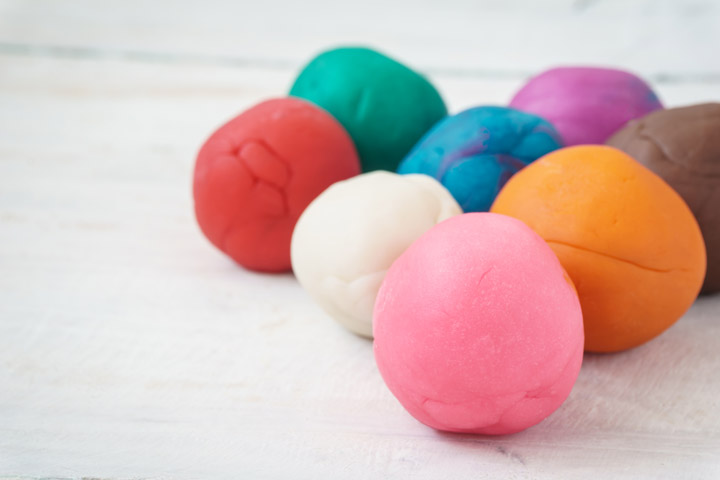
On another note, you could also set up a semi-edible craft project made with food. The classic homemade play dough is the perfect example. There are many different recipes for homemade dough, both edible and non edible, and kids love making different shapes, creatures and just generally just smooshing the dough (the recipe below for peanut butter playdough is designed to be decorated and eaten, so it should not be saved). You can create a varied sensory experience by using warm or cold playdough.
Young children learn the most through play, and testing out the tactile, aerodynamic, and sensory properties of food is a good way to learn, and your kids will get a kick out of thinking about food in a new way.
©2026 CDKitchen, Inc. No reproduction or distribution of any portion of this article is allowed without express permission from CDKitchen, Inc.
To share this article with others, you may link to this page:
https://www.cdkitchen.com/cooking-experts/pamela-chester/1051-fun-foods/
Play With Your Food

As parents, we are always trying new tricks to get our kids to eat healthy foods. That strict and structured routine many of us grew up with (I, for one, had to clean my plate before leaving the table, and was never allowed to play with food) has gone out in favor of a more casual approach that makes eating more fun. I have read in several books that letting your young ones explore and get messy with a new food will help them to accept it into their repertoire. Finger paint with cottage cheese or pudding? Why not! Make a stack of cereal O’s and slowly count them together as they are eaten? Of course!
One of the most memorable books as a kid was Cloudy with a Chance of Meatballs, where all the foods stood for something else. My favorite was the scene at the end of the book – there was a mashed potato mountain with a pat of butter that stood for a sunrise. I always wanted to eat a heaping bowl of mashed potatoes after reading that book.
There is something about the symbolic use of food that makes it more appealing to kids to eat it. Out of sheer desperation one night, I tried to tell my son that his broccoli were trees, and guess what? It worked and he ate them! (next up: cauliflower trees!) We also have been into counting lately, and counting each pea or lima bean works like a charm to get the little guy to hurry up and eat them. It takes a little more effort, but it’s worth it to me to avoid the mealtime power struggles I remember having with my parents.
That magical transformation into something else can fuel your kids’ creativity and appetite. Ants on a Log is the classic wildlife scene that is made up of celery, filled with peanut butter, and dotted with raisin “ants.” You can make an updated version of this with some new and different insects. Snow peas can be made into grasshoppers and refrigerated biscuit dough can be rolled into four balls and connected to bake little caterpillars. Decorate with poppy or sesame seeds and pretzel sticks for antlers. Your edible creepy crawlies can be placed on top of a mound of crushed graham cracker or chocolate cookie “dirt.” Better yet, fill a clean terra cotta pot with a layer of pudding and the edible dirt and top with gummy worms and let your kids dig in.
On another note, you could also set up a semi-edible craft project made with food. The classic homemade play dough is the perfect example. There are many different recipes for homemade dough, both edible and non edible, and kids love making different shapes, creatures and just generally just smooshing the dough (the recipe below for peanut butter playdough is designed to be decorated and eaten, so it should not be saved). You can create a varied sensory experience by using warm or cold playdough.
Young children learn the most through play, and testing out the tactile, aerodynamic, and sensory properties of food is a good way to learn, and your kids will get a kick out of thinking about food in a new way.
Edible Clay

Made with m&m's, peanut butter, instant milk powder, honey, raisins, o-shaped toasted oat cereal, pretzels
Made with m&m's, peanut butter, instant milk powder, honey, raisins, o-shaped toasted oat cereal, pretzels
Serves/Makes: 2
- 1/3 cup peanut butter
- 1/2 cup instant milk powder
- 1/3 cup honey
***For Decorating***
- raisins
- o-shaped toasted oat cereal
- pretzels
- m&m's
Combine the peanut butter, milk powder, and honey in a bowl. Knead with your hands until it is a smooth consistency.
Let the kids mold the clay into shapes. Use raisins, cereal, pretzels, etc for decorations.
For chocolate clay, add cocoa powder.
Homemade Playdough
Made with cornstarch, water, salt, vegetable oil, tempera paint or food coloring, flour
Made with cornstarch, water, salt, vegetable oil, tempera paint or food coloring, flour
Serves/Makes: 4 cups
- 1 cup cold water
- 1 cup salt
- 2 teaspoons vegetable oil
- tempera paint or food coloring
- 3 cups flour
- 2 tablespoons cornstarch
In bowl, mix water, salt, oil, and enough tempera paint or food coloring to make a bright color.
Gradually add flour and cornstarch until the mixture reaches the consistency of bread dough.
Store covered or sealed in a plastic bag. If mixture becomes too moist, thicken with flour.
share this article:


related articles


Write a comment:
©2026 CDKitchen, Inc. No reproduction or distribution of any portion of this article is allowed without express permission from CDKitchen, Inc.
To share this article with others, you may link to this page:
https://www.cdkitchen.com/cooking-experts/pamela-chester/1051-fun-foods/