

Memorial Day Marinades


Break out the barbecue! Gas up the grill! Summer is finally here, and there is no better way to celebrate the official kick-off to America’s fun season than with a Memorial Day feast. Intense flavors and tender meat are perfect partners for outdoor cooking. The art of marinating is the best way to achieve both in just one step.
Marinating really serves two purposes. First and foremost, it adds flavor and seasoning to meat prior to being cooked. Since marinades are applied anywhere from half an hour up to one full day, they also tenderize meat, which breaks down the protein’s connective tissue. This process makes meat more moist, juicy and pleasant to the tooth.
What Makes a Balanced Marinade?
A proper marinade should have a balance of flavors and tenderizers. Citrus juices, vinegars, oils, and even alcohol will tenderize protein. Herbs and spices also are important. A good rule of thumb is to pair seasonings and flavors that you like. If you enjoy garlic and ginger together, they will certainly make a desirable marinade. Are jalapenos and lime more your speed? You have the beginnings of a tasty tenderizer. There are several ingredients that appear in a lot of marinades because they provide a neutral base on which you can add additional seasoning: oil, garlic, sugar/brown sugar, soy sauce, salt and pepper.
How Do I Marinate?
Ideally, food should be marinated in a non-reactive, non-metallic container (plastic, glass, ceramic, sealed food storage bag) in the refrigerator. It is potentially hazardous to marinate foods outside the refrigerator, since bacteria can grow in a room-temperature environment. Marinades should be evenly distributed over the protein to cover as much of the food as possible. To this end, turn the food at a few intervals in the marinating process. For example, if you prepare a beef marinade mid-day to be cooked the following day, turn the meat before you go to bed, and then one more time when you wake up.
How Long Do I Marinate?
Marinating time is determined by the ingredients in the marinade and, more importantly, by the type of protein for which the marinade is being used. Fish and seafood generally should be marinated anywhere from 20 minutes to one hour. Chicken should be marinated for at least half an hour, but no more than six hours. Pork should be marinated between two and four hours. Beef, by contrast, should be marinated overnight.
What Happens if I Over-marinate?
Since marinating is part tenderizing, the connective tissue in the protein can break down too much if meat is marinated for too long. The meat will taste mealy and lose its natural texture. In some cases, marinating protein for too long will actually begin to cook the product. Ingredients play a major role. If a marinade has too much acidity and the protein has been sitting in it for too long, especially where fish is concerned, the product will begin to cook in those juices.
Can a Marinade be a Sauce?
Marinade most certainly can be used as a sauce for the finished dish, but only when it has been brought to a boil and cooked for at least five minutes. This will destroy any bacteria that may be transmitted from raw meat, poultry or fish.
These are three of my most favorite summer marinades:
Teriyaki – ideal for all proteins
Citrus – ideal for seafood or chicken
Steak – ideal for beef
Happy Memorial Day! Happy Marinating!
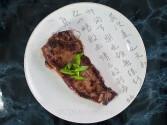

Made with oyster sauce, maple syrup, Worcestershire sauce, soy sauce, dry mustard, garlic
Serves/Makes: 1.25 cups
- 1/2 cup oyster sauce
- 1/4 cup maple syrup
- 1/4 cup Worcestershire sauce
- 1/4 cup soy sauce
- 1 tablespoon dry mustard
- 4 cloves garlic, mashed into paste
Combine the oyster sauce, maple syrup, Worcestershire sauce, soy sauce, dry mustard, and mashed garlic in a plastic bag or other non-reactive container.
Marinate the steak in the container overnight. Turn occasionally to make sure the marinade thoroughly coats the meat.
Do not marinate longer than 24 hours or the marinade will start to "cook" the meat.

Made with fresh cilantro, black pepper, lime juice, orange juice, honey, olive oil, garlic, soy sauce
Serves/Makes: 0.5 cup
- 1 tablespoon fresh lime juice
- 2 tablespoons fresh orange juice
- 1 tablespoon honey
- 2 tablespoons olive oil
- 2 cloves garlic, minced
- 1 teaspoon soy sauce
- 1/4 teaspoon black pepper
- 1/4 cup chopped fresh cilantro
Combine all of the ingredients in a non-reactive container.
Fish and seafood generally should be marinated anywhere from 20 minutes to one hour.
Chicken should be marinated for at least half an hour, but no more than six hours. Pork should be marinated between two and four hours. Beef, by contrast, should be marinated overnight.
Discard the marinade after using.
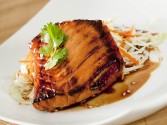
Made with brown sugar, soy sauce, vegetable oil, ginger, dry mustard, garlic
Serves/Makes: 0.75 cup
- 1/2 cup soy sauce
- 1/4 cup vegetable oil
- 1 teaspoon ginger (fresh or powdered)
- 2 teaspoons dry mustard
- 4 cloves garlic, mashed into paste
- 2 tablespoons brown sugar
Combine the soy sauce, oil, ginger, mustard, garlic, and brown sugar in a plastic container (zip-top bag or tupperware-type containers work well).
To use: marinate fish, seafood, chicken, pork, or beef in this tasty marinade.
Fish and seafood: marinate for less than one hour.
Chicken: 30 minutes to 6 hours (maximum).
Pork: 2-4 hours.
Beef: 8 hours to overnight.


related articles


1 comments
Lauren, Thank you for such a wonderful explanation of marinades. I never realized that things could be over or under marinated (and the consequences of it!). I tried your teriyaki marinade this weekend with some steak kabobs, followed your recommendations, and it worked fabulously.
Comment posted by Jeanne
Write a comment:
©2026 CDKitchen, Inc. No reproduction or distribution of any portion of this article is allowed without express permission from CDKitchen, Inc.
To share this article with others, you may link to this page:
https://www.cdkitchen.com/cooking-experts/lauren-braun-costello/94-marinades/