

cdkitchen > cooking experts > lauren braun costello

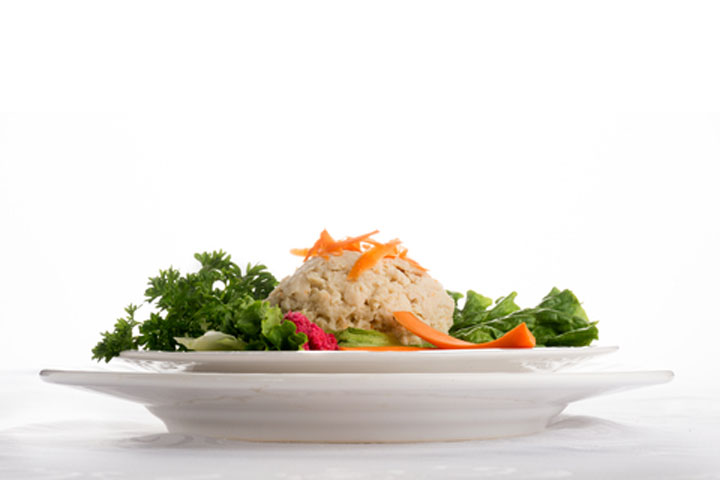
My husband would tell you that he firmly believes you must have been force-fed gefilte fish as a child to enjoy it as an adult. I might agree if the only gefilte fish on earth were that from a jar. But there is nothing like homemade gefilte fish, and it is genuinely an annual Passover treat. One of the most important parts of the traditional festival feast is the gefilte fish. Although many families rightly enjoy store-bought gefilte fish, I find that the homemade preparation of this dish is when my personal Passover observance truly begins.
"Gefilte" means "stuffed" in German, so "gefilte fish" literally means "stuffed fish." More than a century ago in Eastern Europe, gefilte fish was often minced fish meat stuffed inside rolled fish skin. Today gefilte fish is almost never served that way. The skin has been eliminated and what remains is an oblong fish ball, or just the stuffing. This is a very close cousin the French quenelle, a light and airy fish dumpling in the shape of what could be called a football. If you have ever enjoyed a quenelle, try gefilte fish.
First and foremost you need even amounts of pike, whitefish and carp. These are not the most outstanding fish in the sea, granted, but they are the most ideal candidates for this recipe, as they are white-fleshed freshwater fish. It is essential to have equal amount of bones to flesh. In other words, if you order three pounds of fish from your fish monger, ask for three pounds of bones and heads to go along with it. You will need the bones to help flavor and fortify the broth in which you poach the gefilte fish.
My grandfather patiently taught me over more than a decade how to prepare gefilte fish properly. The old-school method is to chop the fish by hand in a hock bowl (a large, perfectly curved wooden bowl) with a hand blade. This literally takes almost an hour. The advantage to chopping the fish by hand is that you slowly and effectively incorporate air into the mixture, which makes for a fluffy, light and tender dumpling. Admittedly, I have used a food processor in the past to get the first 45 minutes worth of work done in a matter of seconds. As long as you are careful and pulse without fully processing, there will be a negligible difference in the end results.
Onions, eggs, ice water and a tremendous amount of seasoning are added during this by-hand chopping process. Some people add matzo meal (fine matzo crumbs), but I find that this just takes away from the fish, as do breadcrumbs in crab cake filling. There are two basic seasoning approaches to gefilte fish: sweet and peppery. Sugar and pepper are used in both versions, but the amounts are what determine the direction your gefilte fish will take. My family generally prefers peppery gefilte fish, but both preparations are equally delicious.
Oversized egg shapes are formed on large metal spoons and dropped into water in which fish bones and onions are simmering. The gefilte fish cooks slowly for a few hours. Cooking the dumplings for this long makes them more dense than a quickly cooked quenelle, as gefilte fish should be. The dumplings are stored in their cooking liquid and served cold individually with horseradish and some of the cooking broth, especially if the broth has gelled.
This may seem like a food you do not feel obligated to try, but I urge you to consider how many cultures have fish balls as a part of their ethnic cuisine. The Chinese enjoy fish balls inside the skin of a wonton wrapper in the form of a dumpling, as do the Japanese. Thai fish cakes are a classic and not to be missed. Indians eat fish kofta in addition to the ubiquitous lamb and vegetable koftas with which we are more familiar. The French, as mentioned, have their traditional quenelles. In fact, countries like Denmark and Belgium feature fried fish balls in their national cuisines. In America, we have crab and salmon cakes.
So, give gefilte fish a try if you have the chance. It is a wonderfully savory, healthy, filling dish . . . the perfect base for a mound of hot horseradish. If you are feeling particularly adventurous, make it yourself.
©2026 CDKitchen, Inc. No reproduction or distribution of any portion of this article is allowed without express permission from CDKitchen, Inc.
To share this article with others, you may link to this page:
https://www.cdkitchen.com/cooking-experts/lauren-braun-costello/246-gefilte-fish/
The Truth About Gefilte Fish
My husband would tell you that he firmly believes you must have been force-fed gefilte fish as a child to enjoy it as an adult. I might agree if the only gefilte fish on earth were that from a jar. But there is nothing like homemade gefilte fish, and it is genuinely an annual Passover treat. One of the most important parts of the traditional festival feast is the gefilte fish. Although many families rightly enjoy store-bought gefilte fish, I find that the homemade preparation of this dish is when my personal Passover observance truly begins.
"Gefilte" means "stuffed" in German, so "gefilte fish" literally means "stuffed fish." More than a century ago in Eastern Europe, gefilte fish was often minced fish meat stuffed inside rolled fish skin. Today gefilte fish is almost never served that way. The skin has been eliminated and what remains is an oblong fish ball, or just the stuffing. This is a very close cousin the French quenelle, a light and airy fish dumpling in the shape of what could be called a football. If you have ever enjoyed a quenelle, try gefilte fish.
First and foremost you need even amounts of pike, whitefish and carp. These are not the most outstanding fish in the sea, granted, but they are the most ideal candidates for this recipe, as they are white-fleshed freshwater fish. It is essential to have equal amount of bones to flesh. In other words, if you order three pounds of fish from your fish monger, ask for three pounds of bones and heads to go along with it. You will need the bones to help flavor and fortify the broth in which you poach the gefilte fish.
My grandfather patiently taught me over more than a decade how to prepare gefilte fish properly. The old-school method is to chop the fish by hand in a hock bowl (a large, perfectly curved wooden bowl) with a hand blade. This literally takes almost an hour. The advantage to chopping the fish by hand is that you slowly and effectively incorporate air into the mixture, which makes for a fluffy, light and tender dumpling. Admittedly, I have used a food processor in the past to get the first 45 minutes worth of work done in a matter of seconds. As long as you are careful and pulse without fully processing, there will be a negligible difference in the end results.
Onions, eggs, ice water and a tremendous amount of seasoning are added during this by-hand chopping process. Some people add matzo meal (fine matzo crumbs), but I find that this just takes away from the fish, as do breadcrumbs in crab cake filling. There are two basic seasoning approaches to gefilte fish: sweet and peppery. Sugar and pepper are used in both versions, but the amounts are what determine the direction your gefilte fish will take. My family generally prefers peppery gefilte fish, but both preparations are equally delicious.
Oversized egg shapes are formed on large metal spoons and dropped into water in which fish bones and onions are simmering. The gefilte fish cooks slowly for a few hours. Cooking the dumplings for this long makes them more dense than a quickly cooked quenelle, as gefilte fish should be. The dumplings are stored in their cooking liquid and served cold individually with horseradish and some of the cooking broth, especially if the broth has gelled.
This may seem like a food you do not feel obligated to try, but I urge you to consider how many cultures have fish balls as a part of their ethnic cuisine. The Chinese enjoy fish balls inside the skin of a wonton wrapper in the form of a dumpling, as do the Japanese. Thai fish cakes are a classic and not to be missed. Indians eat fish kofta in addition to the ubiquitous lamb and vegetable koftas with which we are more familiar. The French, as mentioned, have their traditional quenelles. In fact, countries like Denmark and Belgium feature fried fish balls in their national cuisines. In America, we have crab and salmon cakes.
So, give gefilte fish a try if you have the chance. It is a wonderfully savory, healthy, filling dish . . . the perfect base for a mound of hot horseradish. If you are feeling particularly adventurous, make it yourself.
share this article:


related articles


Write a comment:
©2026 CDKitchen, Inc. No reproduction or distribution of any portion of this article is allowed without express permission from CDKitchen, Inc.
To share this article with others, you may link to this page:
https://www.cdkitchen.com/cooking-experts/lauren-braun-costello/246-gefilte-fish/