

A Little on the Irish . . .


Corned beef and cabbage, Irish stew, potato pancakes or soda bread. Our family is not Irish, but we enjoy a li’l touch o’ the green festivities at this time of the year. And although we’ve been to parties where that touch o’ green is just that the beer has been dyed green, my favorites are the new foods we try that aren’t part of our daily fare.
So this year, we made an Irish soda bread with a vegetable- and potato-rich stew. And many automatically think potatoes when we think Irish food. That’s because after potatoes were introduced to Ireland in the 16th century, they became a popular Ireland diet basic. They were used as a survival staple, often paired with buttermilk. Interestingly, they were also used as animal feed (especially for pigs), since they were treasured for their delectable ham and bacon. While we’ve done the corned beef and cabbage, it’s not a favorite of mine since I don’t do much red meat. And with daughter recently gone vegetarian, I’m always on the lookout for more veggies-less-meat dishes.
But potatoes—we love ‘em. And potatoes provide all-around good nutrition: just one fresh tater boasts a plethora of vitamins and minerals, plus they provide plentiful energy per unit area of the crop.
That’s how potatoes became so very important and heavily relied upon in Ireland. And when the potato blight hit, there were terrible famines in the 16th and 17th centuries that decimated the commonly grown potato variety. The result: over 1 million people died during this time, another 2 million emigrated—and a poverty-stricken 3 million remained.
So that’s why, even to this day, stews and potato-based soups are called “peasant food” or “famine fare.” Those potatoes were viewed as strictly sustenance-type food—not fitting for the wealthy or affluent.
Thankfully today we can still enjoy the potato without so many connotations (and it’s already survived the high carb rap). Thankfully we can now celebrate the beautiful rich green goodness of Ireland’s lush soil and choose from many varieties of potatoes and create peasant-type stews that will help stretch the food dollars in today’s challenging times.
How about trying a quick and easy version of authentic Irish bread with that potato-vegetable stew? The nice thing about this recipe is that it doesn’t require the repeated risings that traditional yeasted bread does. And it’s adaptable enough to go either sweet (raisins/cinnamon) or savory (caraway seeds).
Here’s a little historical culinary tidbit for you to share with your Irish soda bread munchers: Since the soft wheat grown in Ireland didn’t leaven with traditional yeast, this other version was created by a particularly creative cook … and probably adapted by many more.
Soda bread can also be called Irish Freckle Bread—how cute is that, especially for kids, eh? So what are the so-called freckles? Anything from currants to raisins to cranberries can be tossed into the dough during the last seconds of mixing. This recipe makes two loaves—so make one plain or with caraway seeds and make the other with raisins and cinnamon for those sweet lovers.
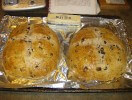

Made with brown sugar, baking powder, baking soda, salt, olive oil, buttermilk, egg, raisins, ground cinnamon
Serves/Makes: 2 loaves
- 4 1/2 cups flour
- 1/3 cup brown sugar
- 2 teaspoons baking powder
- 1 teaspoon baking soda
- 1/2 teaspoon salt
- 1/3 cup light olive oil
- 1 3/4 cup buttermilk
- 1 egg
***Add-ins***
- 1/2 cup raisins, optional
- 1/2 teaspoon ground cinnamon, optional
- 1 tablespoon caraway seeds, optional
***Extra***
- 1/4 cup flour for shaping
Preheat oven to 375 degrees F. Spray a large baking sheet with vegetable oil spray and set aside.
In large bowl stir together the flour, brown sugar, baking powder, baking soda and salt.
Using electric mixer with paddle blade, mix together the oil, buttermilk and egg. Add the dry ingredients and mix for about 15 seconds, until well incorporated.
Scoop dough onto countertop, using extra flour if sticky. Divide dough into two equal parts. Add in any optional ingredients if desired, kneading into dough for about 1 minute until mixed throughout.
Shape dough into 2 round loaves and place onto sprayed sheet. Using a sharp knife, cut a shallow X into the top of each loaf (for expansion, so loaves won't crack). Bake for 35 to 40 minutes, until golden brown and a toothpick inserted in the middle is dry.
Cook's Notes: I like to keep powdered buttermilk powder on the refrigerator shelf (look for it in the baking section of the grocery store) so that recipes calling for buttermilk, like this one, can be whipped up anytime.
To accommodate individual preferences, we made one loaf with raisins and cinnamon and left the other one plain (you could also add caraway seeds for an authentic touch.)


related articles


Write a comment:
©2026 CDKitchen, Inc. No reproduction or distribution of any portion of this article is allowed without express permission from CDKitchen, Inc.
To share this article with others, you may link to this page:
https://www.cdkitchen.com/cooking-experts/christine-gable/861-Irish-foods/