

cdkitchen > cooking experts > christine gable

Here in Pennsylvania, there’s a lot of hoopla come February 2nd for Groundhog Day (we must all have cabin-fever and are just desperate for any sign of excitement). Perhaps we're all just hoping that the end is in sight for Old Man Winter. Guess that’s what has folks outside keeping an eye on a groundhog hole when the temperatures are in the teens.
This is one of the most unusual, seasonal holidays around—and it dates back to 1841, to a place not far from where I live: Reading, Pennsylvania. Apparently the Historical Society of Berks County has records from a storekeeper that tell of this event that the Germans celebrated on Candlemas day. Legend told that if the groundhog gandered out of his hole and saw his shadow, he’d go back in and sleep for another six weeks, but if he didn’t see his shadow (and the weather was cloudy), he’d remain out, foretelling a mild and moderate winter. Apparently the groundhog’s very own shadow will scare him since he’s such a timid creature.
Before the adoption of the Gregorian calendar, it’s also been thought that Groundhog Day may have sprung up as some folk humor since the spring equinox fell on March 16 which was exactly six weeks after the groundhog either saw his shadow—or not. It was either six weeks or 42 days of winter.
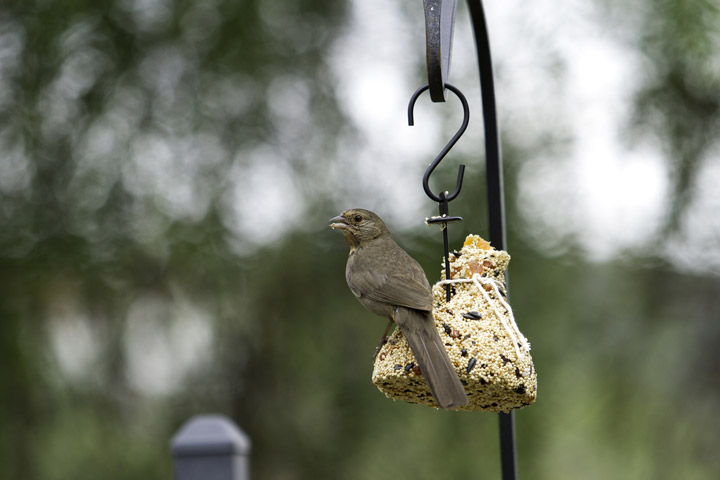
So, if you, like me are looking for some good ways to make the last of the winter as enjoyable as possible, one way to pass the indoor hours with kids is to make some food for the birds. While we love to feed the birds and rely on black oiled sunflower seeds as our mainstay, it can be a fun diversion to whip up a batch of these “muffins” and then see which birds like them.
Like many people, birds like white bread and sweet desserts, yet white bread and doughnuts are nutritionally poor. It’s just not good for them to eat a lot of high-sugar, high-fat items—just like us! So if you want to give your feathered friends a real helping hand, try making a scrap pie or some of these cornbread-based muffins that will help give them much-needed energy and nutrients.
All wild birds need water, salt and grit, especially during winter months. Water can be hard-to-find since even ponds and shallow lakes freeze. Grit is necessary for digestion and sometimes even sandy patches can be hard to find once they’re snowed over.
High energy, heat-producing foods that contain a lot of protein include suet and nutmeats, which are necessary due to the rapid growth and feeding of young during the summer. In the summer those needs are met with bugs and insects that are slim pickins’ right now.
So whether or not Punxsutawney Phil says we’ve got six more weeks of winter, here’s one way to use up some scraps that may be forgotten in the back of the refrig that you don’t know what to do with other than toss. When winter seems like it’ll never end, here’s an easy way to get the kids involved to use up old food scraps, plus keep the birds fed through the winter. Go ahead and try making some quick and easy muffins for the birds.
They’ll thank you.
Caution: Do not ever use non-stick cookware to prepare bird food—if the coating comes off, it can be toxic. Also, do not ever feed birds chocolate, apple seeds, avocados, onions, alcohol, mushrooms, salt, caffeine or dried beans.
1 comments
©2026 CDKitchen, Inc. No reproduction or distribution of any portion of this article is allowed without express permission from CDKitchen, Inc.
To share this article with others, you may link to this page:
https://www.cdkitchen.com/cooking-experts/christine-gable/839-bird-food/
This Is For The Birds
Here in Pennsylvania, there’s a lot of hoopla come February 2nd for Groundhog Day (we must all have cabin-fever and are just desperate for any sign of excitement). Perhaps we're all just hoping that the end is in sight for Old Man Winter. Guess that’s what has folks outside keeping an eye on a groundhog hole when the temperatures are in the teens.
This is one of the most unusual, seasonal holidays around—and it dates back to 1841, to a place not far from where I live: Reading, Pennsylvania. Apparently the Historical Society of Berks County has records from a storekeeper that tell of this event that the Germans celebrated on Candlemas day. Legend told that if the groundhog gandered out of his hole and saw his shadow, he’d go back in and sleep for another six weeks, but if he didn’t see his shadow (and the weather was cloudy), he’d remain out, foretelling a mild and moderate winter. Apparently the groundhog’s very own shadow will scare him since he’s such a timid creature.
Before the adoption of the Gregorian calendar, it’s also been thought that Groundhog Day may have sprung up as some folk humor since the spring equinox fell on March 16 which was exactly six weeks after the groundhog either saw his shadow—or not. It was either six weeks or 42 days of winter.
So, if you, like me are looking for some good ways to make the last of the winter as enjoyable as possible, one way to pass the indoor hours with kids is to make some food for the birds. While we love to feed the birds and rely on black oiled sunflower seeds as our mainstay, it can be a fun diversion to whip up a batch of these “muffins” and then see which birds like them.
Like many people, birds like white bread and sweet desserts, yet white bread and doughnuts are nutritionally poor. It’s just not good for them to eat a lot of high-sugar, high-fat items—just like us! So if you want to give your feathered friends a real helping hand, try making a scrap pie or some of these cornbread-based muffins that will help give them much-needed energy and nutrients.
All wild birds need water, salt and grit, especially during winter months. Water can be hard-to-find since even ponds and shallow lakes freeze. Grit is necessary for digestion and sometimes even sandy patches can be hard to find once they’re snowed over.
High energy, heat-producing foods that contain a lot of protein include suet and nutmeats, which are necessary due to the rapid growth and feeding of young during the summer. In the summer those needs are met with bugs and insects that are slim pickins’ right now.
So whether or not Punxsutawney Phil says we’ve got six more weeks of winter, here’s one way to use up some scraps that may be forgotten in the back of the refrig that you don’t know what to do with other than toss. When winter seems like it’ll never end, here’s an easy way to get the kids involved to use up old food scraps, plus keep the birds fed through the winter. Go ahead and try making some quick and easy muffins for the birds.
They’ll thank you.
Caution: Do not ever use non-stick cookware to prepare bird food—if the coating comes off, it can be toxic. Also, do not ever feed birds chocolate, apple seeds, avocados, onions, alcohol, mushrooms, salt, caffeine or dried beans.
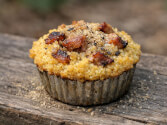

Serves/Makes: 12
- 2 cups cornmeal
- 1/2 teaspoon baking soda
- 1/4 teaspoon salt
- 1 cup regular milk (or buttermilk, if you have any on hand)
- 1 cup diced meat and fat scraps
- sprinkling of sand
Mix all ingredients and pour into greased muffin cups. Bake at 425 degrees F for 20 minutes. Let cool, remove from pan and serve at the ground or on a platform feeder.
share this article:


related articles




1 comments
I have read that milk is not good for birds as they have never had it and are unable to digest it.
Comment posted by rod
Write a comment:
©2026 CDKitchen, Inc. No reproduction or distribution of any portion of this article is allowed without express permission from CDKitchen, Inc.
To share this article with others, you may link to this page:
https://www.cdkitchen.com/cooking-experts/christine-gable/839-bird-food/