

cdkitchen > cooking experts > christine gable

New Year’s traditions. We either love ‘em, hate ‘em or ignore ‘em.
And yet from making resolutions to toasting the best that’s yet to come—or in whatever other ways you celebrate the arrival of the new year—we all have one thing in common: the need to eat.
New Year’s is probably the one holiday most deeply steeped in food traditions. Indeed, depending upon what country you call home, it greatly influences what foods you eat in the hopes of bringing luck, wealth or success into your life in the coming year.
Here in Lancaster County, pork and sauerkraut is the food of choice. My mother-in-law cooks a big pot each year and says for as long as she can remember, her family has cooked pork, sauerkraut and mashed potatoes for New Year’s Day. It’s good luck for the coming year. With the plethora of German and PA Dutch ancestry here in Lancaster County, PA, this is an extremely popular dish. Of course, down south the tradition of eating ham, cornbread, black-eye peas and collard greens is said to originate with the saying “Eat poor on New Year’s, eat fat the rest of the year.” The black-eye peas represent coins (plus they plump when they cook, good for prosperity), but wondering about those collards? Definitely greenbacks.
What do you eat to welcome the New Year? Do you have a special tradition or have you created a new one?
Here’s a glance at some of the traditional foods that grace tables on New Year’s Day around the world. Looking to turn over a new leaf? Try a new way to welcome the year:
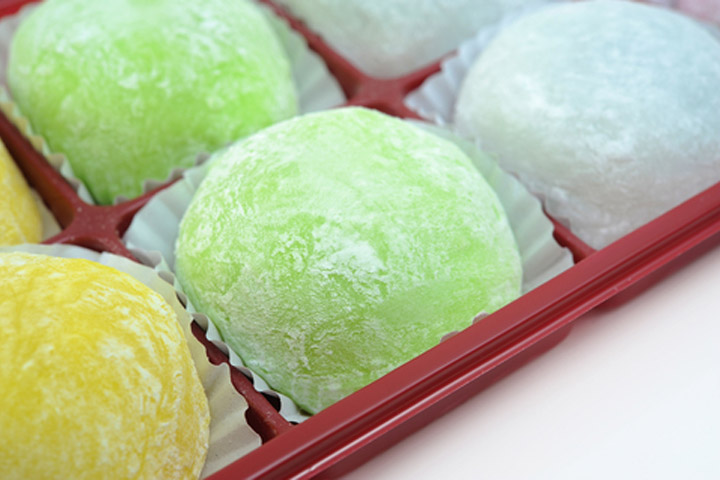
Japan: With a celebration that lasts three days, the Japanese celebrate in high style by relaxing and kicking back. Feasting foods for the entire three days are prepared in advance, needing only to be defrosted, reheated or fried. Popular foods include soba noodles, which should be eaten long and unbroken to signify a long life and mochi rice, which is sticky rice pressed into cakes called omochi.
Greece: It all originated with the high taxes during the Ottoman Empire when the Bishop of Greece attempted to return some of the recovered riches to their rightful owners. Amidst much fighting, Saint Basil asked the women to bake a large cake with the treasures inside, which is how the valuables miraculously found their way back to their rightful owners. To this day, a coin is baked inside a cake (Vasilopita) and the one who bites into it will be blessed with good luck in the coming year—and hopefully not need tooth repair.
Italy: Here’s my favorite: The Italians celebrate by tossing old things out windows to make room for the new. After, all, you’ve got to make way in your household—and life—for the new and lucky to enter! They top this off with eating a traditional dish of cotechino con lenticchie—pork sausage over lentils, the sausage symbolizes abundance (being high in fat), and the lentils symbolize money (being green and coin-shaped).
Spain: The magnificent grape harvest at the turn of the century was so bountiful that ever since, every New Year, Spanish people have eaten 12 grapes as the clock stricks midnight. Each stroke of the clock and one eats a grape to celebrate years past and hope for luck to come.
Here’s wishing you a Happy New Year with many health-giving meals. Thanks to all of you for visiting CDKitchen and sharing your creations so that we may all be inspired in the kitchen.
Happy New Year!
©2026 CDKitchen, Inc. No reproduction or distribution of any portion of this article is allowed without express permission from CDKitchen, Inc.
To share this article with others, you may link to this page:
https://www.cdkitchen.com/cooking-experts/christine-gable/435-new-years-traditions/
Some New Ways to Welcome the Year
New Year’s traditions. We either love ‘em, hate ‘em or ignore ‘em.
And yet from making resolutions to toasting the best that’s yet to come—or in whatever other ways you celebrate the arrival of the new year—we all have one thing in common: the need to eat.
New Year’s is probably the one holiday most deeply steeped in food traditions. Indeed, depending upon what country you call home, it greatly influences what foods you eat in the hopes of bringing luck, wealth or success into your life in the coming year.
Here in Lancaster County, pork and sauerkraut is the food of choice. My mother-in-law cooks a big pot each year and says for as long as she can remember, her family has cooked pork, sauerkraut and mashed potatoes for New Year’s Day. It’s good luck for the coming year. With the plethora of German and PA Dutch ancestry here in Lancaster County, PA, this is an extremely popular dish. Of course, down south the tradition of eating ham, cornbread, black-eye peas and collard greens is said to originate with the saying “Eat poor on New Year’s, eat fat the rest of the year.” The black-eye peas represent coins (plus they plump when they cook, good for prosperity), but wondering about those collards? Definitely greenbacks.
What do you eat to welcome the New Year? Do you have a special tradition or have you created a new one?
Here’s a glance at some of the traditional foods that grace tables on New Year’s Day around the world. Looking to turn over a new leaf? Try a new way to welcome the year:
Japan: With a celebration that lasts three days, the Japanese celebrate in high style by relaxing and kicking back. Feasting foods for the entire three days are prepared in advance, needing only to be defrosted, reheated or fried. Popular foods include soba noodles, which should be eaten long and unbroken to signify a long life and mochi rice, which is sticky rice pressed into cakes called omochi.
Greece: It all originated with the high taxes during the Ottoman Empire when the Bishop of Greece attempted to return some of the recovered riches to their rightful owners. Amidst much fighting, Saint Basil asked the women to bake a large cake with the treasures inside, which is how the valuables miraculously found their way back to their rightful owners. To this day, a coin is baked inside a cake (Vasilopita) and the one who bites into it will be blessed with good luck in the coming year—and hopefully not need tooth repair.
Italy: Here’s my favorite: The Italians celebrate by tossing old things out windows to make room for the new. After, all, you’ve got to make way in your household—and life—for the new and lucky to enter! They top this off with eating a traditional dish of cotechino con lenticchie—pork sausage over lentils, the sausage symbolizes abundance (being high in fat), and the lentils symbolize money (being green and coin-shaped).
Spain: The magnificent grape harvest at the turn of the century was so bountiful that ever since, every New Year, Spanish people have eaten 12 grapes as the clock stricks midnight. Each stroke of the clock and one eats a grape to celebrate years past and hope for luck to come.
Here’s wishing you a Happy New Year with many health-giving meals. Thanks to all of you for visiting CDKitchen and sharing your creations so that we may all be inspired in the kitchen.
Happy New Year!
share this article:


related articles


Write a comment:
©2026 CDKitchen, Inc. No reproduction or distribution of any portion of this article is allowed without express permission from CDKitchen, Inc.
To share this article with others, you may link to this page:
https://www.cdkitchen.com/cooking-experts/christine-gable/435-new-years-traditions/