

cdkitchen > cooking experts > christine gable

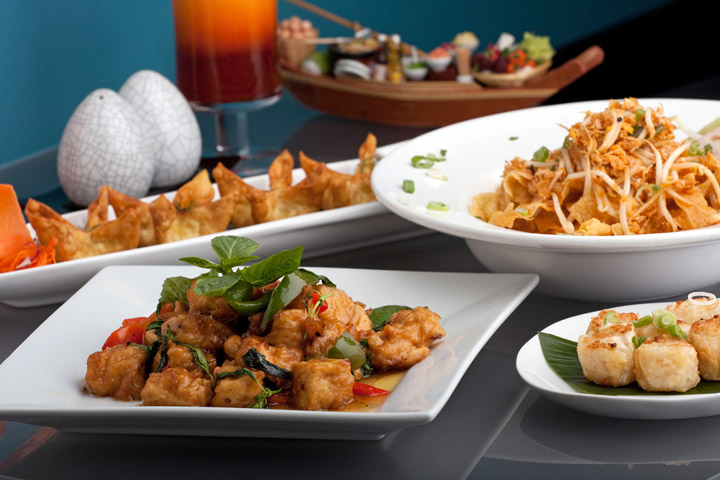
I have a friend who ‘schedules’ her weeknights dinners with certain dishes. Now, it's not the same dish week after week, but the same base food, prepared in many different ways. It’s basically a framework to know what food that night’s dinner will revolve around. So, it could be anything from pasta night to tofu night to Thai night. The great thing about it is the framework it provides.
Just knowing that the focus of the meal will be pasta, rice, beef, or beans can help the deciding (and even the doing!) become less painful. Sometimes it’s that decision factor coupled with the time factor that can be the hardest to handle. Reminds me of that one quote, "once the decision has been made, the doing becomes effortless." Well, it’s not quite the same when dealing with dinner, but the sentiment is there, right?
In the interest of making mealtimes a tad easier, one thing to consider would be designating certain nights as different cuisine nights—or hey, what about different international cuisine nights? This works especially well if you have adventurous tastebuds in your family that like variety.
Using the slow cooker can be a great way to enjoy those international flavors without all the work of preparing different dishes or incurring the expense of eating out too often.
So in the interest of giving you some new and varied ideas for slow cooker dinners, the upcoming Savvy Slow Cooker columns will feature the following different cuisines—check ‘em out:
Mexican: Mexican fare is the perfect fit for the crockpot since there are so many casseroles and combos that go well with corn and beans. As Mexico’s staple grain, corn is the common ingredient found in many dishes—think tacos, enchiladas, burritos. Recipes also contain spices like chili powder, cumin, oregano, cilantro, and epazote with plenty of onions and garlic.
Italian: One of the most popular cuisines worldwide, Italian food is a combination of some of my favorite foods: tomatoes, potatoes, pasta, cheese (plus coffee and wine!). Italian cuisine varies greatly by region, although there’s probably not one American who wouldn’t associate pizza or spaghetti when someone mentions Italian food.
Asian: In the United States this term generally refers to cuisine from China, Japan, and Korea.
Chinese: Chinese food is based on balancing opposites: think hot/cold, spicy/mild, fresh/pickled. It’s precisely this flavor contrast that makes Chinese cuisine so appealing to tired American taste buds. Dishes also often contain small, bite-size pieces (much easier to pick up with chopsticks!).
Japanese: Many dishes revolve around the basic staples of rice or noodles, accompanied by a soup (miso soup is very popular). Seafood and fish are also popular due to this island nation’s proximity to the sea.
Korean: Although foods and dishes vary by the region, national specialties include rice and noodles, tofu, vegetables, and meats. Fermented vegetable side dishes and rich seasonings like soy sauce, garlic, ginger, and red chili paste accompany each meal.
Thai: Thai cuisine is part of Southeastern Asian cuisine, which also includes other popular cuisines from this region: Indonesian, Filipino, and Vietnamese. Thai food is known for its spicy kick, but balance and variety is equally important. Complete Thai meals are known for balancing the five basic tastes, hot (spicy), sour, sweet, salty, and bitter.
Indian: Like many other cuisines, Indian food varies from region to region, although it is all characterized by spices, herbs, and vegetables indigenous to the area. Basic staples include rice and pulses like the red lentil, pigeon pea and green gram. Spices commonly used are chili pepper, black mustard seed, cumin, turmeric, ginger, asafetida, and garam masala.
Hawaiian: Hawaiian cuisine is characterized by its multiethnic influences from the many immigrants who came to call Hawaii home. These include American, Chinese, Filipino, Japanese, Korean, Polynesian and Portuguese cuisines—they have all contributed various meats and vegetables to create modern Hawaii’s fusion cuisine.
Have a favorite one you’d like me to feature? Let me know! Stay tuned for a Mexican slow cooker delight next week.
©2026 CDKitchen, Inc. No reproduction or distribution of any portion of this article is allowed without express permission from CDKitchen, Inc.
To share this article with others, you may link to this page:
https://www.cdkitchen.com/cooking-experts/christine-gable/1052-international-cuisine-night/
It's a Plan: International Cuisine Night
I have a friend who ‘schedules’ her weeknights dinners with certain dishes. Now, it's not the same dish week after week, but the same base food, prepared in many different ways. It’s basically a framework to know what food that night’s dinner will revolve around. So, it could be anything from pasta night to tofu night to Thai night. The great thing about it is the framework it provides.
Just knowing that the focus of the meal will be pasta, rice, beef, or beans can help the deciding (and even the doing!) become less painful. Sometimes it’s that decision factor coupled with the time factor that can be the hardest to handle. Reminds me of that one quote, "once the decision has been made, the doing becomes effortless." Well, it’s not quite the same when dealing with dinner, but the sentiment is there, right?
In the interest of making mealtimes a tad easier, one thing to consider would be designating certain nights as different cuisine nights—or hey, what about different international cuisine nights? This works especially well if you have adventurous tastebuds in your family that like variety.
Using the slow cooker can be a great way to enjoy those international flavors without all the work of preparing different dishes or incurring the expense of eating out too often.
So in the interest of giving you some new and varied ideas for slow cooker dinners, the upcoming Savvy Slow Cooker columns will feature the following different cuisines—check ‘em out:
Mexican: Mexican fare is the perfect fit for the crockpot since there are so many casseroles and combos that go well with corn and beans. As Mexico’s staple grain, corn is the common ingredient found in many dishes—think tacos, enchiladas, burritos. Recipes also contain spices like chili powder, cumin, oregano, cilantro, and epazote with plenty of onions and garlic.
Italian: One of the most popular cuisines worldwide, Italian food is a combination of some of my favorite foods: tomatoes, potatoes, pasta, cheese (plus coffee and wine!). Italian cuisine varies greatly by region, although there’s probably not one American who wouldn’t associate pizza or spaghetti when someone mentions Italian food.
Asian: In the United States this term generally refers to cuisine from China, Japan, and Korea.
Chinese: Chinese food is based on balancing opposites: think hot/cold, spicy/mild, fresh/pickled. It’s precisely this flavor contrast that makes Chinese cuisine so appealing to tired American taste buds. Dishes also often contain small, bite-size pieces (much easier to pick up with chopsticks!).
Japanese: Many dishes revolve around the basic staples of rice or noodles, accompanied by a soup (miso soup is very popular). Seafood and fish are also popular due to this island nation’s proximity to the sea.
Korean: Although foods and dishes vary by the region, national specialties include rice and noodles, tofu, vegetables, and meats. Fermented vegetable side dishes and rich seasonings like soy sauce, garlic, ginger, and red chili paste accompany each meal.
Thai: Thai cuisine is part of Southeastern Asian cuisine, which also includes other popular cuisines from this region: Indonesian, Filipino, and Vietnamese. Thai food is known for its spicy kick, but balance and variety is equally important. Complete Thai meals are known for balancing the five basic tastes, hot (spicy), sour, sweet, salty, and bitter.
Indian: Like many other cuisines, Indian food varies from region to region, although it is all characterized by spices, herbs, and vegetables indigenous to the area. Basic staples include rice and pulses like the red lentil, pigeon pea and green gram. Spices commonly used are chili pepper, black mustard seed, cumin, turmeric, ginger, asafetida, and garam masala.
Hawaiian: Hawaiian cuisine is characterized by its multiethnic influences from the many immigrants who came to call Hawaii home. These include American, Chinese, Filipino, Japanese, Korean, Polynesian and Portuguese cuisines—they have all contributed various meats and vegetables to create modern Hawaii’s fusion cuisine.
Have a favorite one you’d like me to feature? Let me know! Stay tuned for a Mexican slow cooker delight next week.
share this article:


related articles



Write a comment:
©2026 CDKitchen, Inc. No reproduction or distribution of any portion of this article is allowed without express permission from CDKitchen, Inc.
To share this article with others, you may link to this page:
https://www.cdkitchen.com/cooking-experts/christine-gable/1052-international-cuisine-night/