

cdkitchen > cooking experts > amy powell

I am a very bad person. I have lied and I have manipulated. More than once has a friend gasped in shock at my confessions and reacted with exclamations including words such as, but not limited to, "deceived!" and "betrayed!" But despite these pronouncements of shock and horror, a smile inevitably crosses their faces and I am ultimately forgiven as they come back for more of what I have dished out.
What culinary caper could provoke such befuddlement and bemusement from my guests? Secrets. As in secret ingredients. They first are hidden, and then are revealed, to the surprise, horror, and eventual delight of the dinner guests.
Any clever mother knows this gig better than anyone. It is one of the oldest tricks in the book, especially when attempting to get kids to eat their vegetables. The basic idea is to take a food with a bit of a stigma, hide it in a dish where it's disguised from its regular form, and fool finicky eaters into consuming something they normally were loath to like. This ol' culinary chestnut is commonly found in the classic, covert “Lasagna Night” meal. Here, vegetables often are shredded and hidden beneath layers of cheese and sauce. An unsuspecting kid could down a massive helping under the impression that it is no more than his regular cheese, noodle, and sauce routine. Later this clandestine veggie eater’s mom may allow herself a chuckle as he pushes the plate away. She might even let him know that what he really liked was none other than--(gasp!)--vegetables.
But it is not only children who are prone to misconceptions about food. Thus I feel that it is at times my duty to employ tried and true trickery in order to mold a more open-minded dining public. In previous cases, I have managed to overturn a Brussels sprouts ban and to teach a liking for lamb.
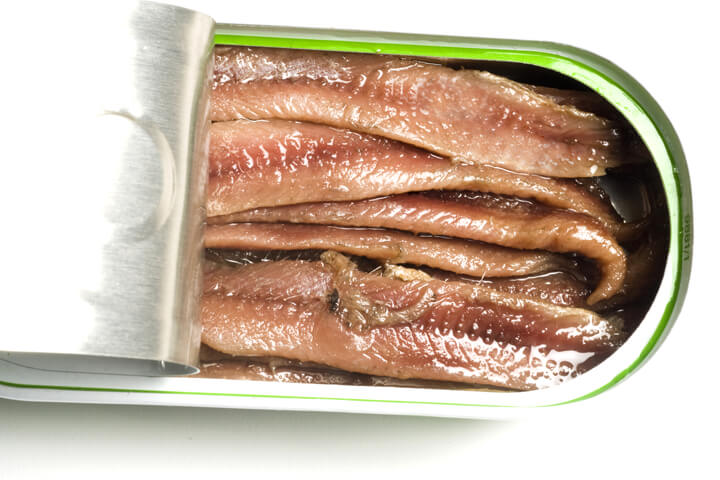
But most daring indeed was my campaign for the understanding of anchovies. It was at a dinner party last winter when I presented a lovely composed salad of greens, boiled egg quarters, and two croutons. On one crouton was spread a homemade tapenade of kalamata olives in which lurked an inkling of anchovy. On the other crouton, laying side by side in glistening glory, were two beautiful anchovy fillets of the highest quality that had been packed in oil and white wine vinegar. I asked my guests to be open-minded and to at least sample both croutons. I was hardly surprised at how each guest took seconds on the tapenade and praised its brine-y, salty, oily deliciousness. Nor was I surprised that most took a nibble at the anchovy crouton and declared distaste. After each had had a chance to sample the salad, I came at them with the big revelation of that night’s secret ingredient. “I feel so deceived!” “I hate you . . .” Were the initial reactions. “But the tapenade is really good.”
And I win. Score some light shed and respect gained for the power of an oft-denounced food to add a depth of flavor to a dish without it being the dominant taste. True, anchovies are an acquired taste to say the least when eaten alone. But through cooking they dissolve into a lovely layer of flavor and can give a distinct taste to such ubiquitous menu items as Ceasar Salad.
My friend Michael Capaldo supplied this week’s recipe. Like a good Italian boy he loves his pasta but he LOVES his anchovies. As a self-proclaimed lover of the ‘chovy, he likes about 10 fillets in his version of this simple but beautiful pasta, but I think 6 will do fine for skeptics of the tinned fish. Personally, I like anchovies and I loved this recipe. So did my roommates, who as my official guinea pigs, allowed me to pull the wool over their eyes, only later to find that, through a little trickery, they too could learn to like our funny little friend, my best secret ingredient, the anchovy.
©2026 CDKitchen, Inc. No reproduction or distribution of any portion of this article is allowed without express permission from CDKitchen, Inc.
To share this article with others, you may link to this page:
https://www.cdkitchen.com/cooking-experts/amy-powell/284-clever-cooking/
The Secret is Out

I am a very bad person. I have lied and I have manipulated. More than once has a friend gasped in shock at my confessions and reacted with exclamations including words such as, but not limited to, "deceived!" and "betrayed!" But despite these pronouncements of shock and horror, a smile inevitably crosses their faces and I am ultimately forgiven as they come back for more of what I have dished out.
What culinary caper could provoke such befuddlement and bemusement from my guests? Secrets. As in secret ingredients. They first are hidden, and then are revealed, to the surprise, horror, and eventual delight of the dinner guests.
Any clever mother knows this gig better than anyone. It is one of the oldest tricks in the book, especially when attempting to get kids to eat their vegetables. The basic idea is to take a food with a bit of a stigma, hide it in a dish where it's disguised from its regular form, and fool finicky eaters into consuming something they normally were loath to like. This ol' culinary chestnut is commonly found in the classic, covert “Lasagna Night” meal. Here, vegetables often are shredded and hidden beneath layers of cheese and sauce. An unsuspecting kid could down a massive helping under the impression that it is no more than his regular cheese, noodle, and sauce routine. Later this clandestine veggie eater’s mom may allow herself a chuckle as he pushes the plate away. She might even let him know that what he really liked was none other than--(gasp!)--vegetables.
But it is not only children who are prone to misconceptions about food. Thus I feel that it is at times my duty to employ tried and true trickery in order to mold a more open-minded dining public. In previous cases, I have managed to overturn a Brussels sprouts ban and to teach a liking for lamb.
But most daring indeed was my campaign for the understanding of anchovies. It was at a dinner party last winter when I presented a lovely composed salad of greens, boiled egg quarters, and two croutons. On one crouton was spread a homemade tapenade of kalamata olives in which lurked an inkling of anchovy. On the other crouton, laying side by side in glistening glory, were two beautiful anchovy fillets of the highest quality that had been packed in oil and white wine vinegar. I asked my guests to be open-minded and to at least sample both croutons. I was hardly surprised at how each guest took seconds on the tapenade and praised its brine-y, salty, oily deliciousness. Nor was I surprised that most took a nibble at the anchovy crouton and declared distaste. After each had had a chance to sample the salad, I came at them with the big revelation of that night’s secret ingredient. “I feel so deceived!” “I hate you . . .” Were the initial reactions. “But the tapenade is really good.”
And I win. Score some light shed and respect gained for the power of an oft-denounced food to add a depth of flavor to a dish without it being the dominant taste. True, anchovies are an acquired taste to say the least when eaten alone. But through cooking they dissolve into a lovely layer of flavor and can give a distinct taste to such ubiquitous menu items as Ceasar Salad.
My friend Michael Capaldo supplied this week’s recipe. Like a good Italian boy he loves his pasta but he LOVES his anchovies. As a self-proclaimed lover of the ‘chovy, he likes about 10 fillets in his version of this simple but beautiful pasta, but I think 6 will do fine for skeptics of the tinned fish. Personally, I like anchovies and I loved this recipe. So did my roommates, who as my official guinea pigs, allowed me to pull the wool over their eyes, only later to find that, through a little trickery, they too could learn to like our funny little friend, my best secret ingredient, the anchovy.
Michael's Ceci and Orchiette Pasta


Made with Parmesan cheese, parsley, red pepper flakes, canned ceci (garbanzo beans), drained, garlic, anchovy fillets packed in olive oil, olive oil, kosher salt, orchiette pasta
Made with Parmesan cheese, parsley, red pepper flakes, canned ceci (garbanzo beans), drained, garlic, anchovy fillets packed in olive oil, olive oil, kosher salt, orchiette pasta
Serves/Makes: 4
- 1 pound orchiette pasta
- kosher salt
- 4 tablespoons olive oil
- 6 anchovy fillets packed in olive oil
- 5 cloves garlic
- 3 cups canned ceci (garbanzo beans), drained
- red pepper flakes
- 1 handful flat leaf parsley
- Parmesan cheese
Bring a pot of water to a boil and salt so the water tastes like the sea. Cook the pasta to al dente.
Meanwhile heat oil in a large saute pan over medium high heat. Add anchovies and stir with a wooden spoon to break up until the fillets have nearly dissolved.
Meanwhile peel and mince garlic and roughly chop parsley.
Add garlic to the anchovies, reduce heat to medium and saute for two minutes. Add beans and red pepper flakes to taste. Saute for two minutes.
Add about 1/2 cup of the pasta water to the saute pan with the beans. Drain pasta and add to saute pan. Toss in the parsley. Taste for seasoning and adjust if necessary.
Top with Parmesan and serve immediately. Note this dish can also be served cold.
share this article:


related articles



Write a comment:
©2026 CDKitchen, Inc. No reproduction or distribution of any portion of this article is allowed without express permission from CDKitchen, Inc.
To share this article with others, you may link to this page:
https://www.cdkitchen.com/cooking-experts/amy-powell/284-clever-cooking/