

Leave No Stem Behind


Growing up my father was known to cook one dish: stir-fry. My dad was not like other dads in a lot of ways. Cooking was no exception. Where other fathers mastered the domain of the barbecue, specializing in smoke and big hunks of meat, mine was the king of vegetables and tofu fried up in an ancient wok.
I was thinking of my dad and his stir-fry this week as I was working with some vegetables lying around the house. Dad’s stir-fry was not a complicated dish but he made that it into an art putting out a large platter with a side of brown rice once a week for most of my childhood. From the time I was old enough to just peer over the counter top I remember as he chopped up all the ingredients in advance, how he seemed to use every edible part of each vegetable, leaving no cabbage leaf or broccoli stem behind.
From my post at his side I’d watch him chop up onion, garlic, and ginger. There would be carrots and chayote, peeled and then thinly sliced on a diagonal. He would drain and cube the tofu and make a slurry out of corn starch and water to thicken the soy based sauce toward the end of cooking.
Dad’s frugality with the vegetables was a part of the act. The fact that Dad would use even the stem of the broccoli would not seem weird to me until years later when I moved out and started shopping for myself. What were these broccoli “crowns” that all the stores seemed to sell? Why would people want to pay more per pound to have someone hack off that lovely green stalk with its crisp texture and celery-like flavor? Apparently most broccoli cooks did not see the hidden stir fry potential of this delicious, edible part of the broccoli plant like my father did.
Cooking the stems does require a bit of additional effort than cooking just the crowns, but it is worth the extra step. As a kid I learned to peel and discard the tough outer layer. Then, depending on the dish it is going in, the stems will require an extra couple of minutes cooking time than the crowns. This means like when doing my dad’s stir fry, the sliced stems went into the wok with the peppers and onions, the florets from the crown would go in a few minutes later so all the vegetables finish cooking in just the right amount of time.
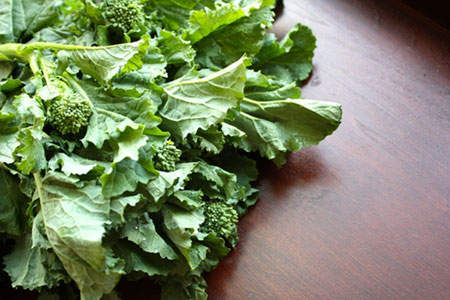
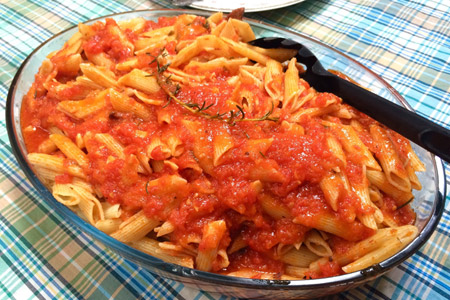
These days I don’t have broccoli around that often, but when I do, I like to use as much of it as I can. For instance, this week in place of traditional broccoli rabe, I made orchiette with spicy sausage, broccoli florets, and diced broccoli stems braised in white wine. The tender but crisp cubes of broccoli stalk added a lovely textural contrast to the pasta, sausage, and florets.
The stalks also work well raw in salads and slaws. Running it through a grater and tossing with carrot is easy, but for a different spring-like salad, try running the stalk along a mandolin to make ribbons. Toss those with a variety of other paper-thin vegetables like carrots, asparagus, or zucchini, and coat the lot in a yogurt based dressing with dill and lemon for a pretty looking play on the crudité platter with dip.
While my dad may never have been much more than the occasional weekend hamburger griller, all those nights watching him at the wok taught me lessons in vegetables I am still taking from to this day. Broccoli stems, peeled, sliced, grated, or diced, are just as tasty now, and in so many other recipes, as they were sautéed in his wok so many years ago.


Made with black pepper, white wine, orchiette pasta, salt, olive oil, Italian sausage, garlic, fresh sage, red chili flakes, broccoli rabe
Serves/Makes: 4
- 1 pound orchiette pasta
- salt
- 3 tablespoons olive oil
- 6 links spicy Italian sausage
- 3 cloves garlic
- 6 fresh sage leaves
- 1/4 teaspoon red chili flakes
- 1 bunch broccoli rabe
- 1 1/2 cup white wine
- black pepper
- Parmesan cheese
Bring a pot of water to a boil and salt it so it takes like the sea. Add the orchiette and cook until about two minutes shy of doneness. Drain the pasta and reserve 1/2 cup of the cooking water.
Meanwhile heat the olive oil over a medium flame in a large saute pan. Remove the casings from the sausage and add to the hot oil. Brown the sausage for about 4 minutes breaking up the meat into bite sized pieces.
Thinly slice the garlic cloves, mince the sage, and cut the broccoli rabe into 1 inch pieces. Add the garlic to the sausage and cook for about two minutes until softened but not browned. Add the broccoli rabe, sage, chili flakes, a bit of salt and some black pepper. Saute for a couple of minutes to soften the broccoli rabe. Add the white wine and increase the heat. Reduce the wine by half. Add the reserved pasta cooking water and the drained pasta. Turn the heat down to medium and cook for a couple of minutes until the sauce thickens a bit.
Taste and adjust seasoning if necessary with additional salt and pepper. Plate pasta and top with Parmesan cheese if desired.
Cook's Notes: You can also substitute regular broccoli, just remove the florets from the stem and break up into small bite sized pieces. Peel the broccoli stem and cut into a small dice about 1/2-inch by 1/2-inch. Adjust cooking time as needed.


related articles



Write a comment:
©2026 CDKitchen, Inc. No reproduction or distribution of any portion of this article is allowed without express permission from CDKitchen, Inc.
To share this article with others, you may link to this page:
https://www.cdkitchen.com/cooking-experts/amy-powell/1234-cooking-with-broccoli/