

What a Difference a Spice Makes


While moving out of my beach front apartment to come to San Francisco a lot of hard packing decisions were made. As my will crumbled my boyfriend stepped in to help with the more difficult calls. Really, Amy? He asked, holding up a case of pantry items like flour and sea salt I thought it would be wasteful to throw away. Fine, I conceded, I’ll give those to a neighbor.
Again, Really, Amy? He asked, holding up a box of spices I had carefully packed away in an airtight container to make the 8 hour car drive with us up the California coast. Yes! I exclaimed, nearly tackling him as he tried to move the spices to the throw out pile. Do you know how expensive spices are? And some of these have come a very long way. Trust me, if I’m going to be cooking for you when we live together, you are going to find room for this container in the car.
The spice box made the cut. And thank goodness because inside could be found a map of items brought back from my world travels as well as gifts bestowed upon me by fellow food loving friends. That spice bin holds whole cardamom pods sourced from an Ethiopian market on Fairfax in Los Angeles that I use in Indian curries and Middle Eastern spiced vegetables. In a Ziploc bag can be found oregano from my mother’s garden that was dehydrated and mailed to me and now makes the most wonderful seasoning for a long simmering tomato sauce.
Unlike fresh foods, many of which are prohibited from crossing borders, spices are one of those food items that can actually come home as a souvenir from roads less travelled. I have Khmer curry from Cambodia, a sort of mild brown spice mix, heavy on the cumin. I have bobotie spices from a market in South Africa, a spice mix used for a traditional dish of meat, bread and egg custard. There is a small canister of dried Kaffir lime leaves brought back from Thailand, useful in a country where the fresh version is hard to come by, that I now use to flavor green curry and Tom Yum soup.
Saffron is one of those rare and highly prized spices I have been fortunate to receive as gifts from enough friends that I now have multiple to choose from. There is the Syrian saffron a friend brought back from me on a trip she made before the recent unrest. Another friend visited a Middle Eastern market with her Lebanese mother on a trip home to Washington DC and returned home with the largest jar of saffron I have ever seen, so accustomed am I to the tiny pinches sold for astronomical prices in local grocery stores.
But it was a recent gift from a friend of a Moroccan friend, Charlie, which opened up my eyes in the most sudden way to the difference that a spice can make. Charlie, a self made immigrant to the States, supports his family by taking people like me on our frequent trips to the airport on business. Sometimes I give Charlie tea, as I know he is a fan and in fall, when the leaves are heavy, Charlie will harvest pears from the tree in our backyard to take home to his kids. He has given me tips on tagines on early Monday mornings, and we’ve waxed poetic on pomegranates on Friday afternoons. But it was the Spanish saffron he brought me recently that made me start looking at my spice box in a whole new way.
Saffron, the dried stigma of the saffron crocus flower, is one of the world’s most expensive spices. Intoxicating with aromatics, and dazzling with the orange yellow hue it imbues on food, saffron is a potent and magical seasoning. I have worked through the Syrian saffron and have since relied on the Lebanese saffron gift for use in food ranging from bouillabaisse to paella.
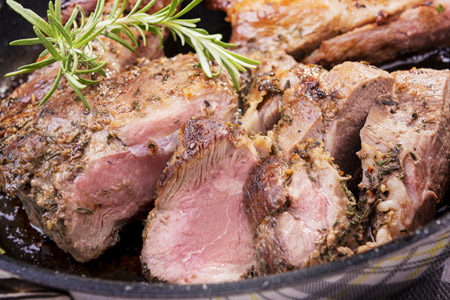
Last weekend I set out to try the Spanish saffron and discovered a spice more powerful than I knew saffron to be. A little pinch was “bloomed” in a small bowl of hot chicken broth that was worked back into the pot of slowly cooking Arborio rice as the last liquid addition, just as the grain has become al dente. The intoxicating floral aroma filled the kitchen, mingling with the smell of meaty drippings from a roasted rack of lamb just out of the oven to rest. My senses were dazzled and my stomach groaned with anticipation. Neither were disappointed.
I understand that flour is flour just about anywhere you go. Same with sugar, Kosher salt, and rice wine vinegar. But spices, spices are not all created equal. A good spice should be treasured, kept safe, and most importantly, used. Truffle salt could sprinkle scrambled eggs, a couple of cardamom pods take jasmine rice from a boring side to an intriguing meal addition, and bobotie spices might just work as well as seasoning on baked sweet potatoes it does in a meat casserole.
When we move again next month, we might be making some hard calls again on what comes and what stays behind. But one thing’s for sure, after my boyfriend tasted the risotto last weekend, even he’d agree that, however we make it happen, the spice box is coming with us.


Made with Parmesan cheese, salt and pepper, rack of lamb, chicken broth, olive oil, onion, Arborio rice, white wine, saffron
Serves/Makes: 2
- 1 New Zealand rack of lamb
- 4 cups chicken broth
- 5 tablespoons olive oil, divided
- 1/2 medium onion
- 1 1/4 cup Arborio rice
- 3/4 cup white wine
- 1 pinch saffron
- salt and pepper
- 1/4 cup grated Parmesan cheese
Preheat an oven to 425 degrees F. Bring out rack of lamb and let sit at room temperature.
Bring chicken broth to a boil in a medium pot then reduce to low heat and keep at a simmer.
In a heavy bottom medium saucepan, heat 2 tablespoons olive oil over medium heat. Finely chop onion and add to the oil. Saute for about 5 minutes until softened.
Add rice and cook for about 2 minutes until rice absorbs oil and toasts slightly. Stir frequently. Add wine to rice and cook until liquid has all absorbed.
Reduce heat on rice to medium low and begin adding chicken broth 1/2 cup at a time, stirring frequently and never letting the rice go dry.
In a small bowl, stir together 1/2 cup of the hot broth and the saffron. Let sit for about 15 minutes to bloom.
Meanwhile, heat remaining olive oil over medium high heat in a large saute pan. Season lamb on both sides with salt and pepper. Sear lamb on all sides to brown about 2-3 minutes per side.
Place the rack, bone side down in the oven and cook for about 10 minutes until the thermometer reads 145 degrees F for medium rare. Let the lamb rest for 10 minutes before slicing into individual chops.
Meanwhile, risotto should have been cooking with additions of liquid and stirring frequently. When rice is al dente and ready for just a couple additional minutes cooking, stir in the reserved saffron broth. Cook for 2-3 minutes then remove from heat.
Stir in Parmesan cheese and adjust seasoning to taste with salt and pepper. Serve a plate of risotto topped with half a rack of lamb each.


related articles




Write a comment:
©2026 CDKitchen, Inc. No reproduction or distribution of any portion of this article is allowed without express permission from CDKitchen, Inc.
To share this article with others, you may link to this page:
https://www.cdkitchen.com/cooking-experts/amy-powell/1146-owning-many-spices/