

cdkitchen > cooking experts > victoria wesseler

On Saturday I’ll participate in the tradition of the “wearing of the green” in celebration of St. Patrick’s Day. I don’t have a trace of Irish in my ancestry. But, the warm and welcoming Irish-Americans that I know are always quick to tell me that in their eyes everyone is Irish on Saint Patrick’s Day.
In Ireland, the holiday is celebrated as a formal national holiday with parades, fireworks, church attendance, and carnivals. Individuals wear rosettes with shamrocks on them to display their Irish pride. In the United States, food and drink is a big part of our celebration. And corned beef and cabbage is the most popular meal. Made with corned beef, carrots, onions, potatoes, and cabbage, it’s hearty and filling.
But, according to my Irish-born and raised friend Sinead, it’s not Irish at all. It’s an American created dish that has its culinary roots right here in the United States. Traditional or not, corned beef and cabbage is delicious. If you’re watching your salt intake and trying to keep your fat grams to a minimum, you may want to indulge in a just small portion of the corned beef. But all is not lost; just fill your plate with the veggies. Especially the cabbage.
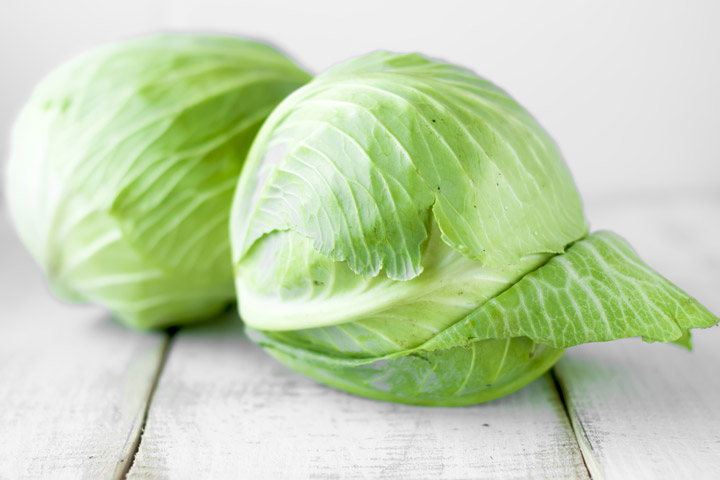
Cabbage is considered to be one of the most nutritious vegetables available. Inexpensive and long-storing, it’s a dietary staple in many countries. Americans eat about 10 pounds per person annually--most of it in the form of sauerkraut and cole slaw. Cabbage consumption in the United States was at an all time high in the 1920s due to its affordability at a time when many Americans struggled to put food on their tables. As the economy improved, its popularity declined steadily until the late 1990s when a growing body of research began to show the vegetable’s impressive nutritional profile. Consumers took notice and, as a result, cabbage consumption is now on the upswing in our country.
Cabbage, a cruciferous vegetable like broccoli, cauliflower, and Brussels Sprouts, is believed to prevent cancer and, in some cases, block new cancer cell growth. Cabbage has an abundance of vitamin C, fiber, potassium and a mere 25 calories per cup. Recent studies have demonstrated that individuals who have diets high in cruciferous vegetables have lower rates of prostate, breast, lung, and colorectal cancers than those whose diets are lacking in these particular vegetables.
There are hundreds of cabbage varieties but few are available at your local markets. Most common are the round, compact green and red heads of cabbage that you see piled on top of each other in the vegetable section of your supermarket. They have waxy, sturdy leaves and, to some, may have an aggressive taste, especially if they’ve been in storage for any length of time. Gaining in popularity and usually available in most major markets is the milder tasting and tender leafed Savoy cabbage. We grow cabbage every summer and favor the Dutch flat head variety which is perfect for making sauerkraut.
When purchasing cabbage, select heads that are firm with shiny with blemish-free leaves. To store it, place the cabbage in a plastic bag and keep it in the vegetable bin of your refrigerator. The red and green heads will last for about a week and the Savoy cabbages will stay fresh for about three days.
Although pre-shredded cabbage is a real time saver in the kitchen, using it sacrifices nutrition for convenience. The minute cabbage is cut; it begins to lose its vitamin C content. So, avoid pre-cut cabbage or pre-packaged heads that have been halved or quartered. Cut or shred it immediately before you prepare it in order to keep vitamin C loss to a minimum.
Surprisingly, despite its many nutritional virtues, cabbage may not be a healthy addition to everyone’s diet. Cabbages, and other cruciferous vegetables, contain goitrogens which, in some people, can interfere with the functioning of the thyroid gland. Individuals who have been diagnosed with and/or are being treated for thyroid problems should discuss this concern their endocrinologist or attending physician to determine whether or not cabbage and other cruciferous food consumption poses a possible health problem to them.
Whether you choose to celebrate St. Patrick’s Day by wearing green, eating green, or a bit of both, "La Feile Padraig go shona dhuit." *
* "May the blessings of St Patrick's day be with you."
©2026 CDKitchen, Inc. No reproduction or distribution of any portion of this article is allowed without express permission from CDKitchen, Inc.
To share this article with others, you may link to this page:
https://www.cdkitchen.com/cooking-experts/victoria-wesseler/470-saint-patricks-greens/
Eating of the Green
On Saturday I’ll participate in the tradition of the “wearing of the green” in celebration of St. Patrick’s Day. I don’t have a trace of Irish in my ancestry. But, the warm and welcoming Irish-Americans that I know are always quick to tell me that in their eyes everyone is Irish on Saint Patrick’s Day.
In Ireland, the holiday is celebrated as a formal national holiday with parades, fireworks, church attendance, and carnivals. Individuals wear rosettes with shamrocks on them to display their Irish pride. In the United States, food and drink is a big part of our celebration. And corned beef and cabbage is the most popular meal. Made with corned beef, carrots, onions, potatoes, and cabbage, it’s hearty and filling.
But, according to my Irish-born and raised friend Sinead, it’s not Irish at all. It’s an American created dish that has its culinary roots right here in the United States. Traditional or not, corned beef and cabbage is delicious. If you’re watching your salt intake and trying to keep your fat grams to a minimum, you may want to indulge in a just small portion of the corned beef. But all is not lost; just fill your plate with the veggies. Especially the cabbage.
Cabbage is considered to be one of the most nutritious vegetables available. Inexpensive and long-storing, it’s a dietary staple in many countries. Americans eat about 10 pounds per person annually--most of it in the form of sauerkraut and cole slaw. Cabbage consumption in the United States was at an all time high in the 1920s due to its affordability at a time when many Americans struggled to put food on their tables. As the economy improved, its popularity declined steadily until the late 1990s when a growing body of research began to show the vegetable’s impressive nutritional profile. Consumers took notice and, as a result, cabbage consumption is now on the upswing in our country.
Cabbage, a cruciferous vegetable like broccoli, cauliflower, and Brussels Sprouts, is believed to prevent cancer and, in some cases, block new cancer cell growth. Cabbage has an abundance of vitamin C, fiber, potassium and a mere 25 calories per cup. Recent studies have demonstrated that individuals who have diets high in cruciferous vegetables have lower rates of prostate, breast, lung, and colorectal cancers than those whose diets are lacking in these particular vegetables.
There are hundreds of cabbage varieties but few are available at your local markets. Most common are the round, compact green and red heads of cabbage that you see piled on top of each other in the vegetable section of your supermarket. They have waxy, sturdy leaves and, to some, may have an aggressive taste, especially if they’ve been in storage for any length of time. Gaining in popularity and usually available in most major markets is the milder tasting and tender leafed Savoy cabbage. We grow cabbage every summer and favor the Dutch flat head variety which is perfect for making sauerkraut.
When purchasing cabbage, select heads that are firm with shiny with blemish-free leaves. To store it, place the cabbage in a plastic bag and keep it in the vegetable bin of your refrigerator. The red and green heads will last for about a week and the Savoy cabbages will stay fresh for about three days.
Although pre-shredded cabbage is a real time saver in the kitchen, using it sacrifices nutrition for convenience. The minute cabbage is cut; it begins to lose its vitamin C content. So, avoid pre-cut cabbage or pre-packaged heads that have been halved or quartered. Cut or shred it immediately before you prepare it in order to keep vitamin C loss to a minimum.
Surprisingly, despite its many nutritional virtues, cabbage may not be a healthy addition to everyone’s diet. Cabbages, and other cruciferous vegetables, contain goitrogens which, in some people, can interfere with the functioning of the thyroid gland. Individuals who have been diagnosed with and/or are being treated for thyroid problems should discuss this concern their endocrinologist or attending physician to determine whether or not cabbage and other cruciferous food consumption poses a possible health problem to them.
Whether you choose to celebrate St. Patrick’s Day by wearing green, eating green, or a bit of both, "La Feile Padraig go shona dhuit." *
* "May the blessings of St Patrick's day be with you."
share this article:


related articles




Write a comment:
©2026 CDKitchen, Inc. No reproduction or distribution of any portion of this article is allowed without express permission from CDKitchen, Inc.
To share this article with others, you may link to this page:
https://www.cdkitchen.com/cooking-experts/victoria-wesseler/470-saint-patricks-greens/