

cdkitchen > cooking experts > victoria wesseler

Christmas gifts have begun to arrive at our home. Many of them are live plants including poinsettias and miniature evergreen trees. Other gifts, such as loaves of homemade bread, cookies, candy, and Christmas cakes are wrapped in cellophane and decorated with sprigs of live holly, boxwood, or mistletoe. And, lovely as they are, all the plants and any decorative plant material promptly go on a high bench in the garage!
Although it may seem that I’m ungrateful for all the greenery, I’m really just being very careful about who has access to it. Holiday plants are beautiful, but many can be deadly or cause severe harm to individuals or pets. These plants and/or parts of the plants should never be put within reach of a child or pet. For both, the danger of ingesting poisonous plants is a serious issue with serious consequences.
In 2005, the American Association of Poison Control Centers received 68,847 calls from individuals who were concerned about an individual being poisoned by ingesting a plant or plant part. On a similar note, 4,400 calls made last year by the public to the ASPCA Animal Poison Control Center were related to suspected animal poisonings due to plant ingestion. During holiday periods such as Christmas, there’s a spike in the number of calls to both Centers due to the fact that there are more plants and floral arrangements in homes at that time.
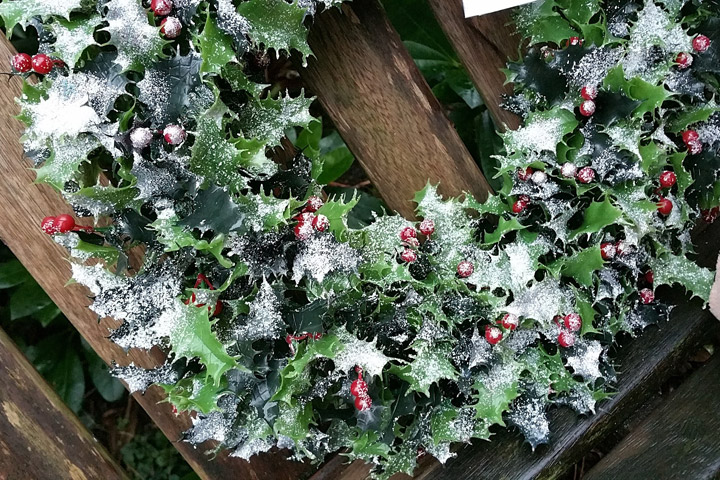
Some of the most highly toxic holiday plants are also the most popular, including but not limited to holly, bittersweet, mistletoe, and boxwood. The bright green leaves and red berries of holly are very attractive to children and animals. Ingesting the holly berries can result in death. Eating bittersweet berries can cause gastrointestinal distress and may also affect the nervous system. The berries of the mistletoe can cause gastrointestinal distress. And ingesting boxwood sprigs, commonly used in wreaths and garlands, can also cause abdominal pain, nausea, vomiting and diarrhea.
But what about the much maligned poinsettia? Usually around this time of year you can count on getting one or two broadcast emails regarding the rumored deadly effects of ingesting this common Christmas plant. The Society of American Florists notes that no plant has been tested more for toxicity than the poinsettia and, according to them, claims about the plant’s high level of toxicity are without merit. That view was confirmed back in 1995 in a study released by the Children’s Hospital of Pittsburgh and Carnegie Mellon University which found that out of 23,000 reported cases of children ingesting various poinsettia plant parts there was no toxicity of “significance of any kind” noted in the suspected victims’ systems. Their study supported the claims of researchers at Ohio State University who, nearly 24 years earlier, noted that a 50 pound child would have to eat 500-600 poinsettia leaves before any damage to his/her system would occur.
Still, I am going to err on the side of caution and recommend that you should always exercise care when it comes to displaying any and all plants, holiday or otherwise, in your home. And the same advice goes for decorating holiday gifts with live flowers and/or foliage.
Here are a few tips:
• Visit the American Association of Poison Control Centers www.aapcc.org and ASPCA Animal Poison Control Center www.aspca.org to review their information about plant toxicity for both humans and animals.
• Place all plants out of reach of pets and children.
• Don’t decorate gifts (edible or not) or garnish food items with live holiday plant materials such as, but not limited to, holly sprigs, boxwood, bittersweet, or mistletoe.
• And, as long as we’re talking about holiday related plants, watch out for Christmas tree water. Pets love to lap up the stagnant water which may be infested with bacteria and/or contain fertilizers or other toxins.
• If you think a poisoning has occurred in a child or adult call 1-800-222-1222. Dialing this number will put you in immediate contact with your local poison control center.
Do not induce vomiting in a suspected poison victim or give them anything by mouth unless you have been advised to do so by a representative of a Poison Control Center or a qualified medical professional.
Have as much information as possible available with you whether you make a call or take the person to a health care facility. Bring the plant or part of the plant with you if you take the victim to a health care facility or emergency room. If the person has coughed up anything, put that in a plastic bag or container and bring it with you.
• For suspected animal poisonings, call your vet, local animal emergency hospital, or the ASPCA Animal Poison Control Center Hotline 1-888-426-4435.
Do not induce vomiting in an animal that you believe may be poisoned or give the animal anything by mouth unless you have been advised to do so by a representative of a Poison Control Center or a qualified veterinary professional.
Have as much information as possible available with you whether you make a call or take the pet to a health care facility. Bring the plant or part of the plant with you if you take your pet to an animal health care facility. If the animal has coughed up anything, put that in a plastic bag or container and bring it with you.
With a bit of forethought, attention, and care, we can still display and enjoy those beautiful holiday plants and flowers while ensuring that we all have a safe and happy holiday.
©2026 CDKitchen, Inc. No reproduction or distribution of any portion of this article is allowed without express permission from CDKitchen, Inc.
To share this article with others, you may link to this page:
https://www.cdkitchen.com/cooking-experts/victoria-wesseler/428-toxic-holiday-plants/
Boughs of Holly
Christmas gifts have begun to arrive at our home. Many of them are live plants including poinsettias and miniature evergreen trees. Other gifts, such as loaves of homemade bread, cookies, candy, and Christmas cakes are wrapped in cellophane and decorated with sprigs of live holly, boxwood, or mistletoe. And, lovely as they are, all the plants and any decorative plant material promptly go on a high bench in the garage!
Although it may seem that I’m ungrateful for all the greenery, I’m really just being very careful about who has access to it. Holiday plants are beautiful, but many can be deadly or cause severe harm to individuals or pets. These plants and/or parts of the plants should never be put within reach of a child or pet. For both, the danger of ingesting poisonous plants is a serious issue with serious consequences.
In 2005, the American Association of Poison Control Centers received 68,847 calls from individuals who were concerned about an individual being poisoned by ingesting a plant or plant part. On a similar note, 4,400 calls made last year by the public to the ASPCA Animal Poison Control Center were related to suspected animal poisonings due to plant ingestion. During holiday periods such as Christmas, there’s a spike in the number of calls to both Centers due to the fact that there are more plants and floral arrangements in homes at that time.
Some of the most highly toxic holiday plants are also the most popular, including but not limited to holly, bittersweet, mistletoe, and boxwood. The bright green leaves and red berries of holly are very attractive to children and animals. Ingesting the holly berries can result in death. Eating bittersweet berries can cause gastrointestinal distress and may also affect the nervous system. The berries of the mistletoe can cause gastrointestinal distress. And ingesting boxwood sprigs, commonly used in wreaths and garlands, can also cause abdominal pain, nausea, vomiting and diarrhea.
But what about the much maligned poinsettia? Usually around this time of year you can count on getting one or two broadcast emails regarding the rumored deadly effects of ingesting this common Christmas plant. The Society of American Florists notes that no plant has been tested more for toxicity than the poinsettia and, according to them, claims about the plant’s high level of toxicity are without merit. That view was confirmed back in 1995 in a study released by the Children’s Hospital of Pittsburgh and Carnegie Mellon University which found that out of 23,000 reported cases of children ingesting various poinsettia plant parts there was no toxicity of “significance of any kind” noted in the suspected victims’ systems. Their study supported the claims of researchers at Ohio State University who, nearly 24 years earlier, noted that a 50 pound child would have to eat 500-600 poinsettia leaves before any damage to his/her system would occur.
Still, I am going to err on the side of caution and recommend that you should always exercise care when it comes to displaying any and all plants, holiday or otherwise, in your home. And the same advice goes for decorating holiday gifts with live flowers and/or foliage.
Here are a few tips:
• Visit the American Association of Poison Control Centers www.aapcc.org and ASPCA Animal Poison Control Center www.aspca.org to review their information about plant toxicity for both humans and animals.
• Place all plants out of reach of pets and children.
• Don’t decorate gifts (edible or not) or garnish food items with live holiday plant materials such as, but not limited to, holly sprigs, boxwood, bittersweet, or mistletoe.
• And, as long as we’re talking about holiday related plants, watch out for Christmas tree water. Pets love to lap up the stagnant water which may be infested with bacteria and/or contain fertilizers or other toxins.
• If you think a poisoning has occurred in a child or adult call 1-800-222-1222. Dialing this number will put you in immediate contact with your local poison control center.
Do not induce vomiting in a suspected poison victim or give them anything by mouth unless you have been advised to do so by a representative of a Poison Control Center or a qualified medical professional.
Have as much information as possible available with you whether you make a call or take the person to a health care facility. Bring the plant or part of the plant with you if you take the victim to a health care facility or emergency room. If the person has coughed up anything, put that in a plastic bag or container and bring it with you.
• For suspected animal poisonings, call your vet, local animal emergency hospital, or the ASPCA Animal Poison Control Center Hotline 1-888-426-4435.
Do not induce vomiting in an animal that you believe may be poisoned or give the animal anything by mouth unless you have been advised to do so by a representative of a Poison Control Center or a qualified veterinary professional.
Have as much information as possible available with you whether you make a call or take the pet to a health care facility. Bring the plant or part of the plant with you if you take your pet to an animal health care facility. If the animal has coughed up anything, put that in a plastic bag or container and bring it with you.
With a bit of forethought, attention, and care, we can still display and enjoy those beautiful holiday plants and flowers while ensuring that we all have a safe and happy holiday.
share this article:


Write a comment:
©2026 CDKitchen, Inc. No reproduction or distribution of any portion of this article is allowed without express permission from CDKitchen, Inc.
To share this article with others, you may link to this page:
https://www.cdkitchen.com/cooking-experts/victoria-wesseler/428-toxic-holiday-plants/