

cdkitchen > cooking experts > rebecca michaels

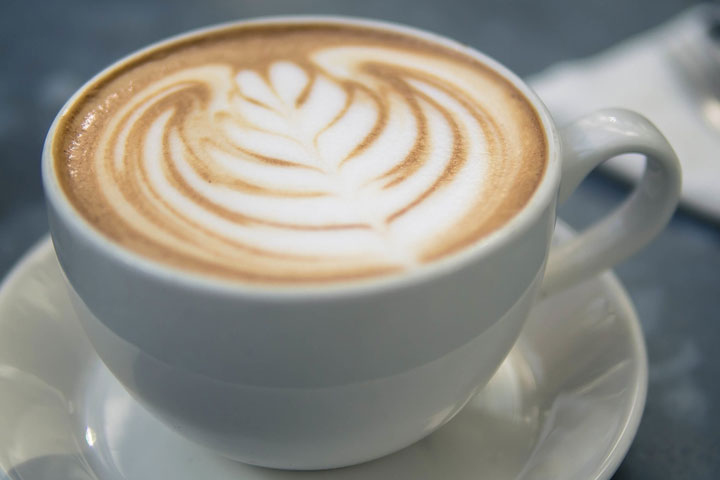
I recently attended a conference on coffee and tea bars and it got me thinking about just how important a good cuppa can be. There's a lot involved in coffee making, and a mistake or misunderstanding of any step in the bean-to-beverage process can result in definitely not-the-best-part-of-waking-up.
You will remember a bad cup of coffee. I know people who won't even go to a particular diner or restaurant anymore because the coffee's ghastly. It truly is the last course of a meal. I will even dare say it's more important than dessert because more people will have coffee than dessert generally. People will forgive a stale piece of cake (especially wedding cakes, which have gotten a bad rap over the years, but are getting better), but their coffee--fuggeddaboutit.
The ubiquity of a certain cafe chain I will call "Skcubrats" has prompted many people to take their coffee quite seriously. They're on every corner now and have recently been accused of some predatory business behaviors to keep the little local guy down. But you have to hand it to these guys; they understood long before anybody else that Americans living outside of Seattle didn't know jack about quality java.
Our tolerance level for swill has drastically decreased with the onset of the Ubercafe. So hand it to Skcubrats for making us discerning coffee snobs. On a side note, tea is also enjoying an upswing in quality, but nowhere near to the extent coffee has. Hmm, a tea house chain . . . . Any investors out there? And here's a dirty little secret: the best teas exported by the very famous, old family teahouses don't even make it to the U.S. They either stay in the country in which they're grown or they are sold in more historically tea-friendly places like Britain and France.
There is no one secret to making quality coffee. And just because it's expensive doesn't mean it's good. Your $40 per pound Jamaican Blue will only stay at its best for a week pre-ground, and only slightly longer as whole beans. And why doesn't your home-brewed cup ever taste like a cup from the cafe? Largely in part because home brewers do not have the temperature controls necessary to heat the water hot enough to pull all of the flavor out of the beans. Plan on spending a minimum of $100 for a machine that can mimic a coffeeshop cup. But considering how much your daily take-out cup is, it just might be worth a look-see to invest.
Another important tip to remember is that the type of grind will change the overall character of your coffee. If you're not happy with your homebrew and aren't ready to throw out that trusty pot, grind the coffee coarser or finer than usual. Also, those little handheld grinders don't do a great job because the beans do not grind consistently. Ideally, you should grind as needed, but I don't think that's practical unless you already have one of those all-in-one grinder/brewer machines. Purchase and grind only what you expect to drink for a week.
And if you find the sirens calling you to Skcubrats because you aren't happy with the local java joe's across the street, I encourage you to (graciously) let them know. Believe me, small businesses should be happy to hear your complaints--and compliments. And do give those baristas tips. They work hard to keep up with all of the caffeine-addicted animals who demand their immediate fix.
So, next time, fill it to the rim, savor that last drop, and don't even think about replacing my regular coffee without my permission!
©2026 CDKitchen, Inc. No reproduction or distribution of any portion of this article is allowed without express permission from CDKitchen, Inc.
To share this article with others, you may link to this page:
https://www.cdkitchen.com/cooking-experts/rebecca-michaels/123-coffee/
Don't Mess With My Java, Jack
I recently attended a conference on coffee and tea bars and it got me thinking about just how important a good cuppa can be. There's a lot involved in coffee making, and a mistake or misunderstanding of any step in the bean-to-beverage process can result in definitely not-the-best-part-of-waking-up.
You will remember a bad cup of coffee. I know people who won't even go to a particular diner or restaurant anymore because the coffee's ghastly. It truly is the last course of a meal. I will even dare say it's more important than dessert because more people will have coffee than dessert generally. People will forgive a stale piece of cake (especially wedding cakes, which have gotten a bad rap over the years, but are getting better), but their coffee--fuggeddaboutit.
The ubiquity of a certain cafe chain I will call "Skcubrats" has prompted many people to take their coffee quite seriously. They're on every corner now and have recently been accused of some predatory business behaviors to keep the little local guy down. But you have to hand it to these guys; they understood long before anybody else that Americans living outside of Seattle didn't know jack about quality java.
Our tolerance level for swill has drastically decreased with the onset of the Ubercafe. So hand it to Skcubrats for making us discerning coffee snobs. On a side note, tea is also enjoying an upswing in quality, but nowhere near to the extent coffee has. Hmm, a tea house chain . . . . Any investors out there? And here's a dirty little secret: the best teas exported by the very famous, old family teahouses don't even make it to the U.S. They either stay in the country in which they're grown or they are sold in more historically tea-friendly places like Britain and France.
There is no one secret to making quality coffee. And just because it's expensive doesn't mean it's good. Your $40 per pound Jamaican Blue will only stay at its best for a week pre-ground, and only slightly longer as whole beans. And why doesn't your home-brewed cup ever taste like a cup from the cafe? Largely in part because home brewers do not have the temperature controls necessary to heat the water hot enough to pull all of the flavor out of the beans. Plan on spending a minimum of $100 for a machine that can mimic a coffeeshop cup. But considering how much your daily take-out cup is, it just might be worth a look-see to invest.
Another important tip to remember is that the type of grind will change the overall character of your coffee. If you're not happy with your homebrew and aren't ready to throw out that trusty pot, grind the coffee coarser or finer than usual. Also, those little handheld grinders don't do a great job because the beans do not grind consistently. Ideally, you should grind as needed, but I don't think that's practical unless you already have one of those all-in-one grinder/brewer machines. Purchase and grind only what you expect to drink for a week.
And if you find the sirens calling you to Skcubrats because you aren't happy with the local java joe's across the street, I encourage you to (graciously) let them know. Believe me, small businesses should be happy to hear your complaints--and compliments. And do give those baristas tips. They work hard to keep up with all of the caffeine-addicted animals who demand their immediate fix.
So, next time, fill it to the rim, savor that last drop, and don't even think about replacing my regular coffee without my permission!
share this article:


related articles


Write a comment:
©2026 CDKitchen, Inc. No reproduction or distribution of any portion of this article is allowed without express permission from CDKitchen, Inc.
To share this article with others, you may link to this page:
https://www.cdkitchen.com/cooking-experts/rebecca-michaels/123-coffee/