

cdkitchen > cooking experts > lauren braun costello

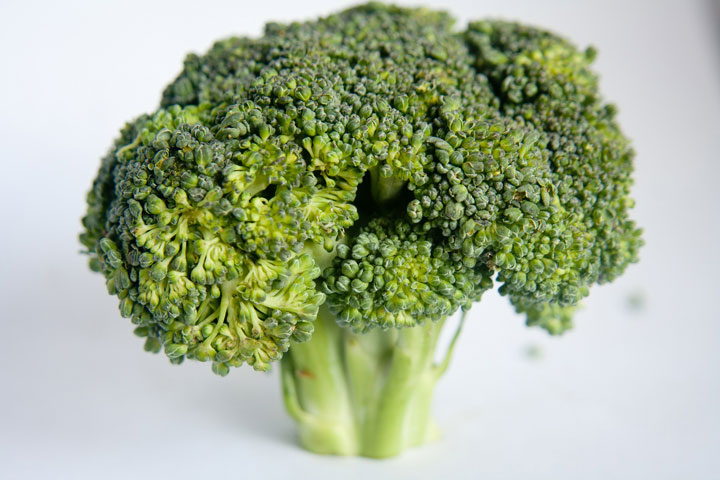
"It's not easy being green." These are familiar words from a familiar frog, but completely untrue when it comes to vegetables. So many people, though, make the unfortunate mistake of overcooking their green veggies, turning them brown, mushy and limp. Nutritionists tout the benefits of green vegetables, citing them as excellent sources of vitamins and amino acids. When overcooked, they can lose many of their nutrients and enzymes. Properly cooking these essential foods will provide superior flavor and improved nutritional value.
Overcooking v. Overkill
There once was a time when boiling green beans until they were soft and olive-green was in vogue, or at least tolerated. Today, that is considered an overcooked preparation, which yields an insipid taste and unpleasant texture. But the pendulum can swing too far to the other side sometimes. I have eaten many meals where the asparagus is so crunchy it could break with one slight bend of the stalk, or a sugar snap is so undercooked that the peas inside are still raw. Green vegetables should be tender to the tooth, not soft. The color should be bright green, less muted from the raw state.
Blanching Basics
One of the most elementary methods of cooking vegetables, green or otherwise, is called "blanching" or "parboiling." This is when heavily salted water is brought to a boil and vegetables are plunged into the pot, cooking for a brief period of time. The French refer to this as a l'anglaise, meaning "in the English style." The salted water, intended to be reminiscent of the sea, will season the vegetables and help to set the color from the moment the vegetables are dropped into the pot. Blanching string beans, for example, will make them tender enough to bend without snapping.
In order to blanch vegetables, you should follow a few simple guidelines. For every quart (4 cups) of water, add at least 1 teaspoon salt. Like in most cooking techniques, it is best not to crowd the pot. Make sure you select a vessel that you can fill with ample water to hold your vegetables.
Water boils at 212 degrees F. When blanching vegetables, it is important to reach this temperature. The easiest way to do that without a thermometer is to let the water come to a vigorous or rapid boil, when the water rolls and bubbles. Once there is active movement in the pot, plunge the vegetables in one shot to ensure even cooking time. Once the water returns to a boil, the cooking time begins.
The blanching process is quick and efficient, so it is critical to stay near the pot once the vegetables are in the water. Most green vegetables cook within 30 seconds to 5 minutes from the time the water returns to a boil.
Using tongs, remove one piece of vegetable (i.e. string bean, snow pea, or asparagus) and taste. If the vegetable is still crunchy with a bit of snap, then continue cooking (This can be a good place to stop cooking if you are preparing crudites and want a taste somewhere between raw and cooked. This is also a good stopping point if you are preparing large batches of vegetables ahead of time and will saute or finish them at a later time). Another way to test for doneness is to pierce the vegetable (i.e. broccoli) with a paring knife. If the knife penetrates the surface without resistance, the vegetables are ready.
Take the Plunge
If you get this far, go one step further. Shock your vegetables. Don't tell them a secret or confess your sins. When ready, remove the vegetables either with a slotted spoon or strainer, or drain them in a colander. Immediately plunge them into an ice water bath or run them under a steady stream of cold water until they are cool. Shocking your vegetables is like an insurance policy for flavor and color. It stops the cooking process and further sets the color.
The next time you cook green vegetables, try blanching them. Broccoli should not look like a fallen tree, and string beans do not need to be soft enough for an infant to eat. Cook with competence and make your friends and family green with envy!
©2026 CDKitchen, Inc. No reproduction or distribution of any portion of this article is allowed without express permission from CDKitchen, Inc.
To share this article with others, you may link to this page:
https://www.cdkitchen.com/cooking-experts/lauren-braun-costello/120-green-with-envy/
Green With Envy
"It's not easy being green." These are familiar words from a familiar frog, but completely untrue when it comes to vegetables. So many people, though, make the unfortunate mistake of overcooking their green veggies, turning them brown, mushy and limp. Nutritionists tout the benefits of green vegetables, citing them as excellent sources of vitamins and amino acids. When overcooked, they can lose many of their nutrients and enzymes. Properly cooking these essential foods will provide superior flavor and improved nutritional value.
Overcooking v. Overkill
There once was a time when boiling green beans until they were soft and olive-green was in vogue, or at least tolerated. Today, that is considered an overcooked preparation, which yields an insipid taste and unpleasant texture. But the pendulum can swing too far to the other side sometimes. I have eaten many meals where the asparagus is so crunchy it could break with one slight bend of the stalk, or a sugar snap is so undercooked that the peas inside are still raw. Green vegetables should be tender to the tooth, not soft. The color should be bright green, less muted from the raw state.
Blanching Basics
One of the most elementary methods of cooking vegetables, green or otherwise, is called "blanching" or "parboiling." This is when heavily salted water is brought to a boil and vegetables are plunged into the pot, cooking for a brief period of time. The French refer to this as a l'anglaise, meaning "in the English style." The salted water, intended to be reminiscent of the sea, will season the vegetables and help to set the color from the moment the vegetables are dropped into the pot. Blanching string beans, for example, will make them tender enough to bend without snapping.
In order to blanch vegetables, you should follow a few simple guidelines. For every quart (4 cups) of water, add at least 1 teaspoon salt. Like in most cooking techniques, it is best not to crowd the pot. Make sure you select a vessel that you can fill with ample water to hold your vegetables.
Water boils at 212 degrees F. When blanching vegetables, it is important to reach this temperature. The easiest way to do that without a thermometer is to let the water come to a vigorous or rapid boil, when the water rolls and bubbles. Once there is active movement in the pot, plunge the vegetables in one shot to ensure even cooking time. Once the water returns to a boil, the cooking time begins.
The blanching process is quick and efficient, so it is critical to stay near the pot once the vegetables are in the water. Most green vegetables cook within 30 seconds to 5 minutes from the time the water returns to a boil.
Using tongs, remove one piece of vegetable (i.e. string bean, snow pea, or asparagus) and taste. If the vegetable is still crunchy with a bit of snap, then continue cooking (This can be a good place to stop cooking if you are preparing crudites and want a taste somewhere between raw and cooked. This is also a good stopping point if you are preparing large batches of vegetables ahead of time and will saute or finish them at a later time). Another way to test for doneness is to pierce the vegetable (i.e. broccoli) with a paring knife. If the knife penetrates the surface without resistance, the vegetables are ready.
Take the Plunge
If you get this far, go one step further. Shock your vegetables. Don't tell them a secret or confess your sins. When ready, remove the vegetables either with a slotted spoon or strainer, or drain them in a colander. Immediately plunge them into an ice water bath or run them under a steady stream of cold water until they are cool. Shocking your vegetables is like an insurance policy for flavor and color. It stops the cooking process and further sets the color.
The next time you cook green vegetables, try blanching them. Broccoli should not look like a fallen tree, and string beans do not need to be soft enough for an infant to eat. Cook with competence and make your friends and family green with envy!
share this article:


related articles



Write a comment:
©2026 CDKitchen, Inc. No reproduction or distribution of any portion of this article is allowed without express permission from CDKitchen, Inc.
To share this article with others, you may link to this page:
https://www.cdkitchen.com/cooking-experts/lauren-braun-costello/120-green-with-envy/