

cdkitchen > cooking experts > christine gable

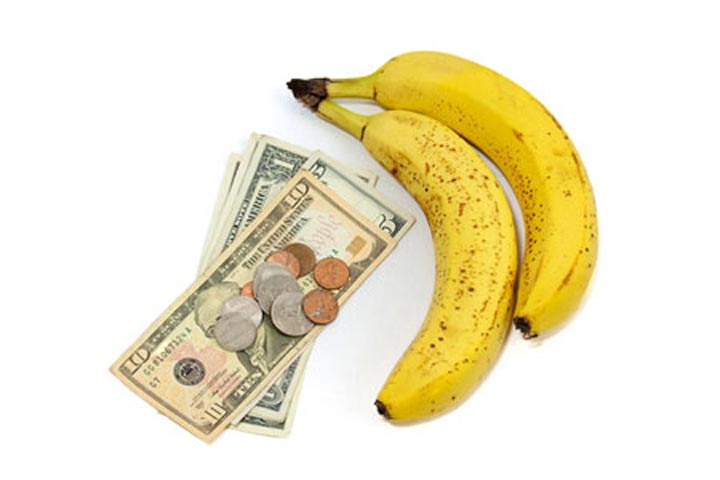
All summer long we’ve been hearing how skyrocketing gas prices have put a crimp in America's style. While a good thing for the environment, it’s not such a good thing for weekly food budgets. As you’ve probably heard, folks had to reconsider vacations and discretionary spending to make sure there was food on the table. And now food prices have been on their way up too.
While the pinch of annual inflation tends to sneak up on me gradually, lately it’s been too obvious to miss: milk and eggs are noticeably costlier. Fruit and veggies that I don’t buy at the local farm (or grow in the garden) have been creeping up quickly. Yet what it all ultimately means is that the grocery budget just doesn’t go quite as far as it used to.
I recently read an article about this very topic, and it suggested getting back to basics. Basics in the way that some of the most healthful foods in the grocery store are also the most economical. While you’ve probably familiar with the concept that sticking to the perimeter of the store is smart, it’s a tip that bears repeating. For it’s at the periphery that you’ll find fruits, vegetables, meat, dairy and grains.
So in the interest of saving us all some hard-earned greenbacks, here are some non-budget-busting foods to load into your cart—stay tuned for upcoming columns on each of these foodstuffs to help you find good ways to expand and stretch your usage options also:
• Grains
Think rice, oats and barley. Whole grains can go from breakfast to dinner with panache, not to mention that a bag or box serves many-a-meal for only a dollar or two.
• Leafy Greens
That’s broccoli, kale, spinach and more. Growing a couple of rows in a flowerbed or small garden can be a low-maintenance way to grow your own edibles. Gardening aside, a couple bags from the produce department are only a couple dollars—sometimes only pocket-change.
• Tree Fruit
Apples, bananas, plums, peaches...choose what’s in season and notice the per pound price drop considerably. Perfect for snacks and breakfasts, they help meet that 5-A-Day quota, and when paired with healthy protein like low-fat yogurt or a handful of almonds, provide nutritious staying power.
• Canned Beans
Choose from black beans, chili beans, garbanzos and more. Keeping a wide variety of all types in your pantry is great for last-minute meals. They can boost tossed salads, be turned into bean burgers or make a Tex-Mex meal in a flash.
• Root Vegetables
Think potatoes, carrots, onions, beets and squash. Go for the ones that are in season and that your crew likes best. They can be baked in cold weather months, made into lighter salads for hotter seasons or steamed and sautéed—versatile cooking methods will keep boredom at bay.
• Pasta
Choose whole grain pasta and you’ve chosen a source of complex carbohydrates that’s one of the cheapest staples around—not to mention it’s one that most kids love. From linguine with garlic to spaghetti and mac ‘n cheese, keep the pasta shelf stocked.
• Eggs
A lot in a little package. Even though they cost more per dozen than last year at this time, in most areas you can nab half-a-dozen for less than a buck—one of the most economical sources of protein, not to mention adaptable players for breakfast (from sunnyside-up to scrambled) to lunch (egg ‘n cheese roll-ups) to dinner (pepperoni-spinach-omelets and frittatas).
©2026 CDKitchen, Inc. No reproduction or distribution of any portion of this article is allowed without express permission from CDKitchen, Inc.
To share this article with others, you may link to this page:
https://www.cdkitchen.com/cooking-experts/christine-gable/758-budget-friendly-foods/
Weekly Budget Savin': Back to Basics
All summer long we’ve been hearing how skyrocketing gas prices have put a crimp in America's style. While a good thing for the environment, it’s not such a good thing for weekly food budgets. As you’ve probably heard, folks had to reconsider vacations and discretionary spending to make sure there was food on the table. And now food prices have been on their way up too.
While the pinch of annual inflation tends to sneak up on me gradually, lately it’s been too obvious to miss: milk and eggs are noticeably costlier. Fruit and veggies that I don’t buy at the local farm (or grow in the garden) have been creeping up quickly. Yet what it all ultimately means is that the grocery budget just doesn’t go quite as far as it used to.
I recently read an article about this very topic, and it suggested getting back to basics. Basics in the way that some of the most healthful foods in the grocery store are also the most economical. While you’ve probably familiar with the concept that sticking to the perimeter of the store is smart, it’s a tip that bears repeating. For it’s at the periphery that you’ll find fruits, vegetables, meat, dairy and grains.
So in the interest of saving us all some hard-earned greenbacks, here are some non-budget-busting foods to load into your cart—stay tuned for upcoming columns on each of these foodstuffs to help you find good ways to expand and stretch your usage options also:
• Grains
Think rice, oats and barley. Whole grains can go from breakfast to dinner with panache, not to mention that a bag or box serves many-a-meal for only a dollar or two.
• Leafy Greens
That’s broccoli, kale, spinach and more. Growing a couple of rows in a flowerbed or small garden can be a low-maintenance way to grow your own edibles. Gardening aside, a couple bags from the produce department are only a couple dollars—sometimes only pocket-change.
• Tree Fruit
Apples, bananas, plums, peaches...choose what’s in season and notice the per pound price drop considerably. Perfect for snacks and breakfasts, they help meet that 5-A-Day quota, and when paired with healthy protein like low-fat yogurt or a handful of almonds, provide nutritious staying power.
• Canned Beans
Choose from black beans, chili beans, garbanzos and more. Keeping a wide variety of all types in your pantry is great for last-minute meals. They can boost tossed salads, be turned into bean burgers or make a Tex-Mex meal in a flash.
• Root Vegetables
Think potatoes, carrots, onions, beets and squash. Go for the ones that are in season and that your crew likes best. They can be baked in cold weather months, made into lighter salads for hotter seasons or steamed and sautéed—versatile cooking methods will keep boredom at bay.
• Pasta
Choose whole grain pasta and you’ve chosen a source of complex carbohydrates that’s one of the cheapest staples around—not to mention it’s one that most kids love. From linguine with garlic to spaghetti and mac ‘n cheese, keep the pasta shelf stocked.
• Eggs
A lot in a little package. Even though they cost more per dozen than last year at this time, in most areas you can nab half-a-dozen for less than a buck—one of the most economical sources of protein, not to mention adaptable players for breakfast (from sunnyside-up to scrambled) to lunch (egg ‘n cheese roll-ups) to dinner (pepperoni-spinach-omelets and frittatas).
share this article:


related articles


Write a comment:
©2026 CDKitchen, Inc. No reproduction or distribution of any portion of this article is allowed without express permission from CDKitchen, Inc.
To share this article with others, you may link to this page:
https://www.cdkitchen.com/cooking-experts/christine-gable/758-budget-friendly-foods/