

cdkitchen > cooking experts > christine gable

Maybe it all began during the many camping trips my family took as I was a growing child. My interest in the outdoors, that is. Couple that fresh air and freedom with my love of food and what do you get? Edible wild foods.
In a day and age when we’re used to food coming from boxes, cans and bags, taking a fresh, green approach to gathering food that comes directly from the earth is a stellar way to celebrate St. Paddy's Day. Yet it’s one that can definitely change your perspective.
“Foraging creates a commitment to conservation, and it’s especially important to provide kids with the opportunity to experience gathering and using wild foods,” says “Wildman” Steve Brill, naturalist, educator and author. Brill has been leading wild edible plant tours throughout the greater New York and Northeast since 1982.
And that’s a perspective that can bring more health and wholeness into your and your kids’ lives. “Since our nutrients, air and water come from the environment, the better we maintain our ecosystems, the more healthy we’ll be,” says Brill.
But then again, I’m biased. Yes, I do think it would be a good thing to get outside together and look for some edible wild plants. It’s certainly a healthier way to go green in honor of St. Paddy's Day than loading up on sugary treats and artificial food coloring. And since the bonny land of Ireland is celebrated for its lush greenery and natural beauty, doesn’t it seem perfectly fitting to stretch your legs, take a walk outdoors together and see if you can find a basketful of edibles right outside your back door?
Now hold on—don’t scrunch your nose—wild edibles really can be delicious. Not only good for you, wild greens are really just another simple way to have a good time with your kids. Plus, your kids will be much more open to trying them if they help explore and gather.
Lisa Solomon, a student from one of Brill’s classes, adds, “Now that I am aware of wild food, whenever I am outdoors, I wonder whether the plants I see are edible. When I drive past an undeveloped area, I yearn to get out of the car and explore the area.”
So—what should you look for? Let’s start simple—with the most despised weed in this country: dandelion.
Did you know that dandelion actually has a rich and respectable history dating back to the Romans? Yes, indeed, the dandelion has cured humankind’s ills and boosted health in many ways. From fabulous greens to potent roots and flowers, here’s a plant with something for everyone.
“The dandelion contains greater nutritional value than many other vegetables,” states Michael Murray in the The Encyclopedia of Healing Foods. “Its carotenoid content is extremely high as is reflected by its higher vitamin A content than carrots—dandelion has 14,000 I.U. of vitamin A per 100 grams compared to 11,000 I.U. for carrots.”
A Note on Wild Safety: As in gathering any food for human consumption, knowing your area and positive identification is vitally important. Always check with a reputable field guide and learn the common poisonous plants in your region. Get permission to forage on private property, find out if the land has been sprayed, stay away from plants growing near toxic vehicle exhaust, and wash your plants well in water before using.
That said, here’s hoping you’ll find a basketful of dandelion to try this recipe. It may not be the leprechaun’s pot o’ gold, but then again—it’ll keep you hale and hearty to try again next year. Happy St. Paddy's Day!
©2026 CDKitchen, Inc. No reproduction or distribution of any portion of this article is allowed without express permission from CDKitchen, Inc.
To share this article with others, you may link to this page:
https://www.cdkitchen.com/cooking-experts/christine-gable/472-foraged-edible-greens/
Go For The Green--Go Forage!
In a day and age when we’re used to food coming from boxes, cans and bags, taking a fresh, green approach to gathering food that comes directly from the earth is a stellar way to celebrate St. Paddy's Day. Yet it’s one that can definitely change your perspective.
“Foraging creates a commitment to conservation, and it’s especially important to provide kids with the opportunity to experience gathering and using wild foods,” says “Wildman” Steve Brill, naturalist, educator and author. Brill has been leading wild edible plant tours throughout the greater New York and Northeast since 1982.
And that’s a perspective that can bring more health and wholeness into your and your kids’ lives. “Since our nutrients, air and water come from the environment, the better we maintain our ecosystems, the more healthy we’ll be,” says Brill.
But then again, I’m biased. Yes, I do think it would be a good thing to get outside together and look for some edible wild plants. It’s certainly a healthier way to go green in honor of St. Paddy's Day than loading up on sugary treats and artificial food coloring. And since the bonny land of Ireland is celebrated for its lush greenery and natural beauty, doesn’t it seem perfectly fitting to stretch your legs, take a walk outdoors together and see if you can find a basketful of edibles right outside your back door?
Now hold on—don’t scrunch your nose—wild edibles really can be delicious. Not only good for you, wild greens are really just another simple way to have a good time with your kids. Plus, your kids will be much more open to trying them if they help explore and gather.
Lisa Solomon, a student from one of Brill’s classes, adds, “Now that I am aware of wild food, whenever I am outdoors, I wonder whether the plants I see are edible. When I drive past an undeveloped area, I yearn to get out of the car and explore the area.”
So—what should you look for? Let’s start simple—with the most despised weed in this country: dandelion.
Did you know that dandelion actually has a rich and respectable history dating back to the Romans? Yes, indeed, the dandelion has cured humankind’s ills and boosted health in many ways. From fabulous greens to potent roots and flowers, here’s a plant with something for everyone.
“The dandelion contains greater nutritional value than many other vegetables,” states Michael Murray in the The Encyclopedia of Healing Foods. “Its carotenoid content is extremely high as is reflected by its higher vitamin A content than carrots—dandelion has 14,000 I.U. of vitamin A per 100 grams compared to 11,000 I.U. for carrots.”
A Note on Wild Safety: As in gathering any food for human consumption, knowing your area and positive identification is vitally important. Always check with a reputable field guide and learn the common poisonous plants in your region. Get permission to forage on private property, find out if the land has been sprayed, stay away from plants growing near toxic vehicle exhaust, and wash your plants well in water before using.
That said, here’s hoping you’ll find a basketful of dandelion to try this recipe. It may not be the leprechaun’s pot o’ gold, but then again—it’ll keep you hale and hearty to try again next year. Happy St. Paddy's Day!
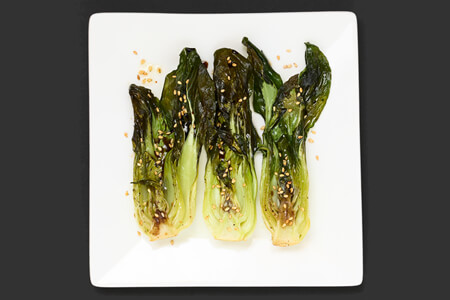
Easy Dandelion Saute


Made with sesame seeds, soy sauce, garlic, oil, dandelion, washed and cut into 2-inch pieces
Made with sesame seeds, soy sauce, garlic, oil, dandelion, washed and cut into 2-inch pieces
Serves/Makes: 2
- 3 cups dandelion, washed and cut into 2-inch pieces
- 1 teaspoon oil
- 2 cloves garlic, minced
- 1 teaspoon soy sauce
- 1 teaspoon sesame seeds (optional)
Pour oil into a large skillet over medium heat. Swirl to coat pan. Add garlic to pan and saute briefly for 15 seconds.
Drop dandelion greens into pan (some water clinging to the leaves is good), and saute for 2-3 minutes until greens are limp, tender and bright green. Sprinkle with soy sauce (and sesame seeds, if desired), and serve.
Christine's Notes: While many of us are familiar with dandelion in salads, here's a quick, easy and tasty way to prepare dandelion that helps temper that bitter edge.
share this article:


related articles



Write a comment:
©2026 CDKitchen, Inc. No reproduction or distribution of any portion of this article is allowed without express permission from CDKitchen, Inc.
To share this article with others, you may link to this page:
https://www.cdkitchen.com/cooking-experts/christine-gable/472-foraged-edible-greens/